


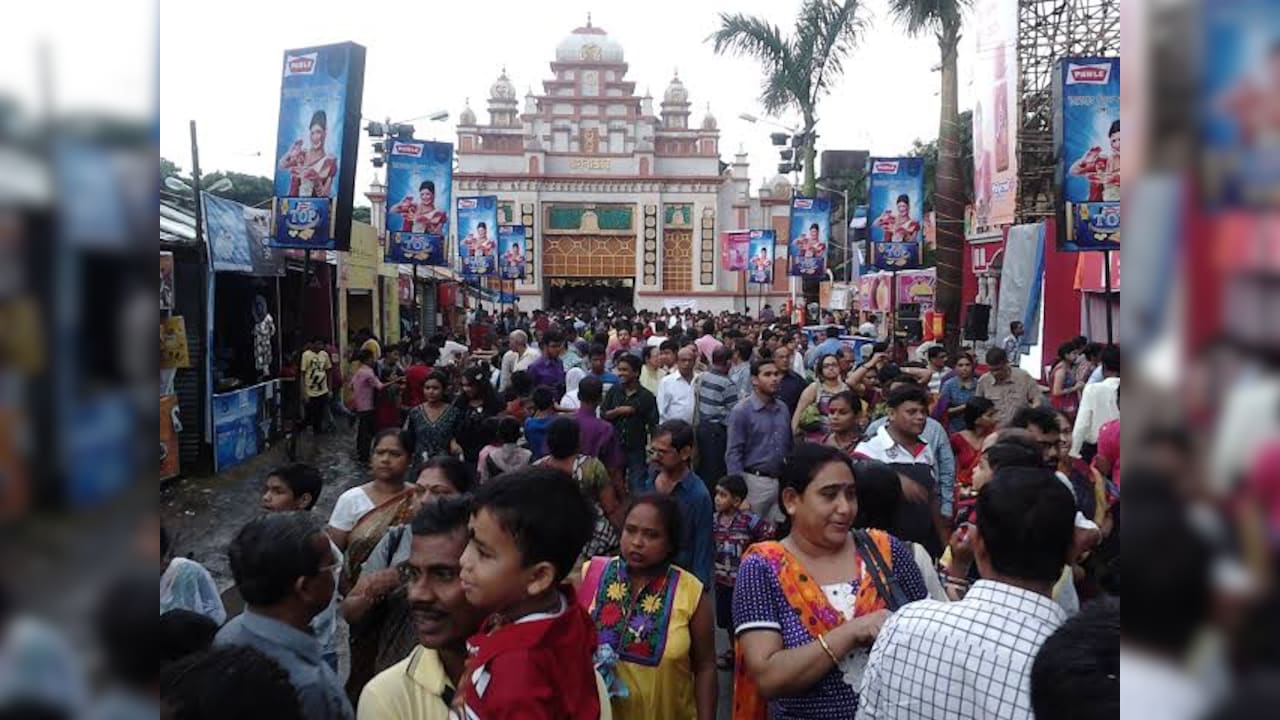
During Durga Puja, Kolkata transforms into an open-air exhibition, with neighbourhoods competing to create eye-catching pandals that blend artistic expression, innovative designs and cultural traditions.
Intricate idols, elaborate thematic structures and dazzling illuminations attract vast crowds each year, making the festival a major draw for worshippers, tourists and art enthusiasts from across India and beyond.
ALSO READ : Kolkata Durga Puja Stampede: PM Modi Announces Rs 2 Lakh Ex-Gratia To Kin Of Deceased; Rs 50,000 For Injured
Also Read | Layoffs Are Rising In Tech, But These Skills Are Helping People Unlock Better Pay
Yet, the growing scale of these attractions also raises a critical question: can the pursuit of spectacle come at the cost of public safety?
A festival built on creativity and competition.
Unlike conventional places of worship, many of Kolkata’s pandals are designed around elaborate themes that range from historical monuments and traditional Bengali architecture to contemporary social issues and fantastical landscapes.
Organising committees invest considerable resources in temporary structures, artistic installations, lighting and sound to create immersive experiences for visitors.
Neighbourhood pride, sponsorships, awards and social media visibility have further intensified competition among organisers.
Some pandals become major attractions because of their ambitious designs and scale, drawing enormous crowds eager to experience them in person.
Areas such as Sreebhumi, College Square, Deshapriya Park, Mohammed Ali Park and Suruchi Sangha have become familiar destinations during the festival.
ALSO READ : Kolkata Durga Puja Stampede: ‘Entry & Exit Were Narrow, Many Fainted’, Eyewitnesses Recount Horror
The celebration’s cultural significance extends beyond the city. UNESCO inscribed Kolkata’s Durga Puja on its Representative List of the Intangible Cultural Heritage of Humanity in 2021, recognising its importance as a community-based cultural event.
When popularity creates a safety challenge
The same popularity that makes the festival globally renowned can also create serious logistical challenges.
Thousands of pandals operate across Kolkata, while visitors often move between prominent attractions late into the night.
At heavily visited venues, congestion can build rapidly, particularly around entry gates, narrow passages and exit routes.
Crowd-related emergencies can develop when people are unable to move freely, queues become compressed or a sudden surge pushes visitors towards a restricted passage.
Heavy rain, slippery surfaces, panic and conflicting movement between incoming and outgoing visitors can aggravate the situation.
Temporary structures, electrical installations and obstructed emergency access add further risks.
A recent incident at the Chorbagan Sarbojanin Durga Puja pandal in north Kolkata has brought these concerns into focus.
Reports on Saturday evening described a crowd surge and a stampede-like situation, with injuries reported and access to the pandal halted.
Why crowd management matters
Effective crowd control must be integrated into the planning process, rather than treated as an afterthought.
Clearly separated entry and exit routes, regulated queues, adequate lighting, accessible emergency corridors and strategically placed barricades can reduce dangerous bottlenecks.
Police personnel, trained volunteers, CCTV surveillance and real-time crowd monitoring can help authorities respond before congestion escalates.
Ultimately, Kolkata’s Durga Puja derives its appeal from creativity, collective participation and cultural expression.
Preserving that legacy requires organisers and authorities to place public safety alongside artistic ambition.
Essential Business Intelligence,
Sharp Market Insights,
Practical Personal Finance Advice, Daily Fuel, Gold and Silver Prices and Latest Stories — On NDTV Profit.


