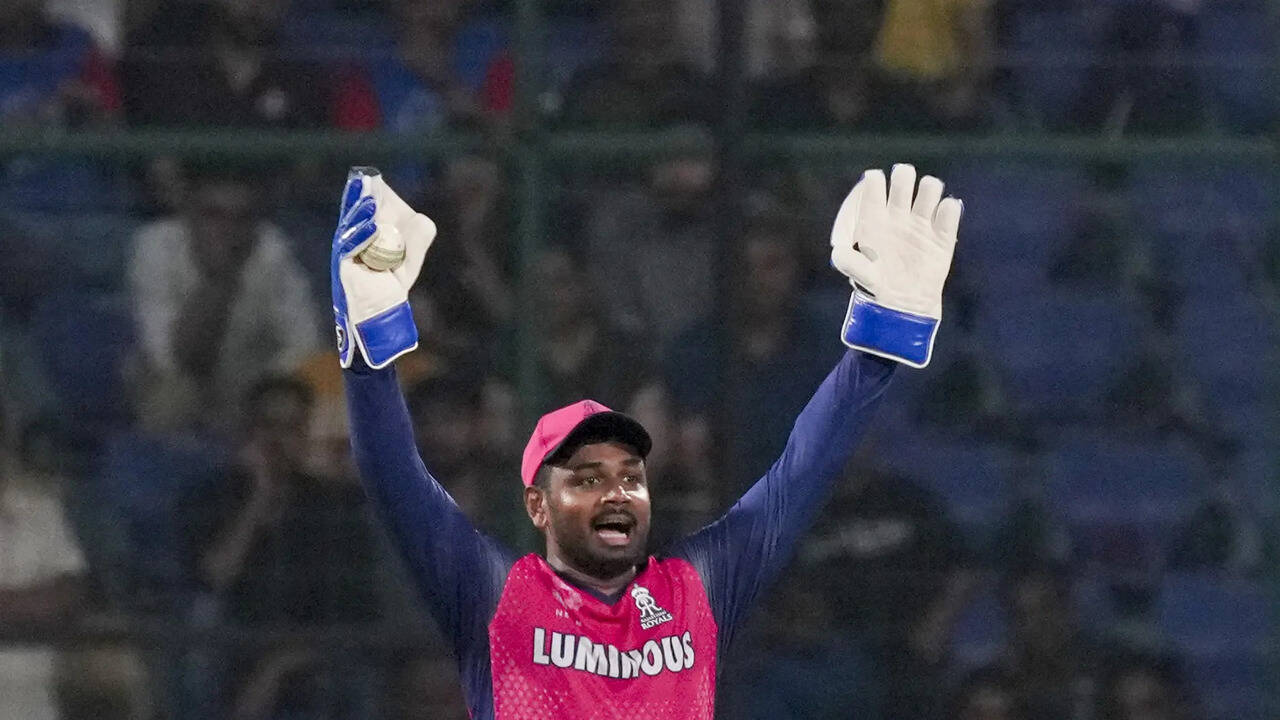














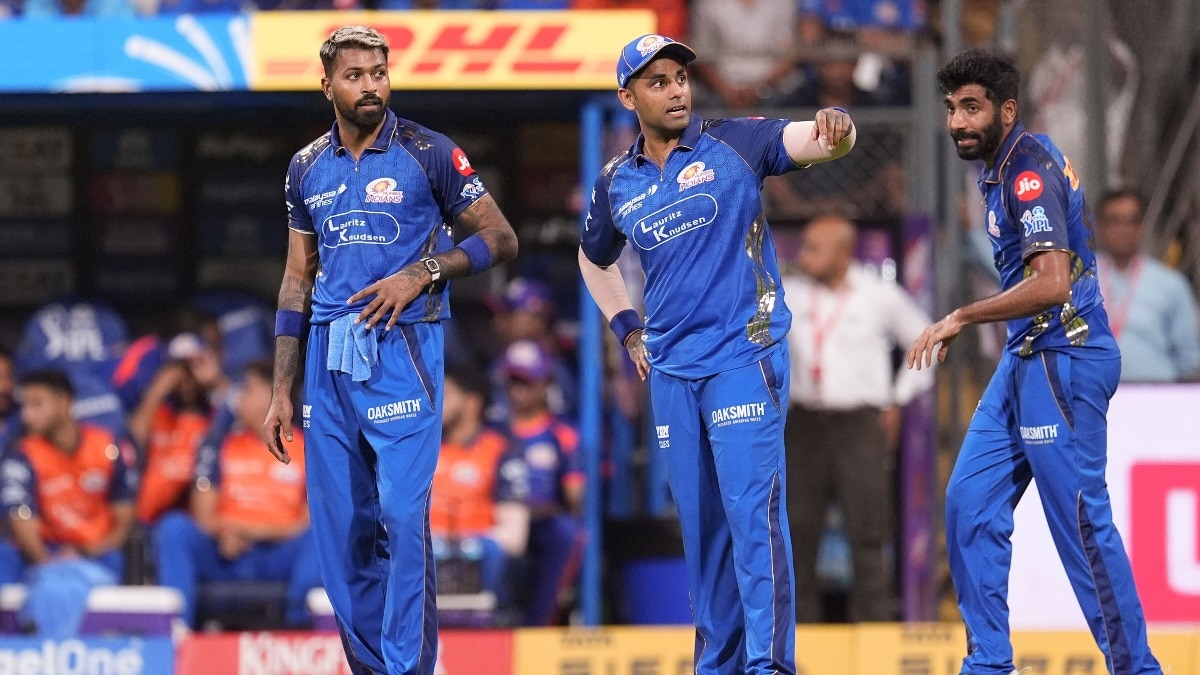
For years, Mumbai Indians built a reputation around surviving chaos better than anyone else. Slow starts never really mattered because by the second half of the season, MI usually found rhythm, trusted their core and bullied their way back into the playoffs race.
IPL 2026 never gave them that switch.
Their campaign officially collapsed after the heartbreaking two-wicket loss against Royal Challengers Bengaluru in Raipur, but honestly, the warning signs had been flashing from the opening weeks itself. Injuries kept breaking combinations, senior players struggled badly for rhythm and the bowling attack leaked runs at a rate Mumbai fans had probably never seen before.
Even the RCB defeat felt like a summary of the entire season.
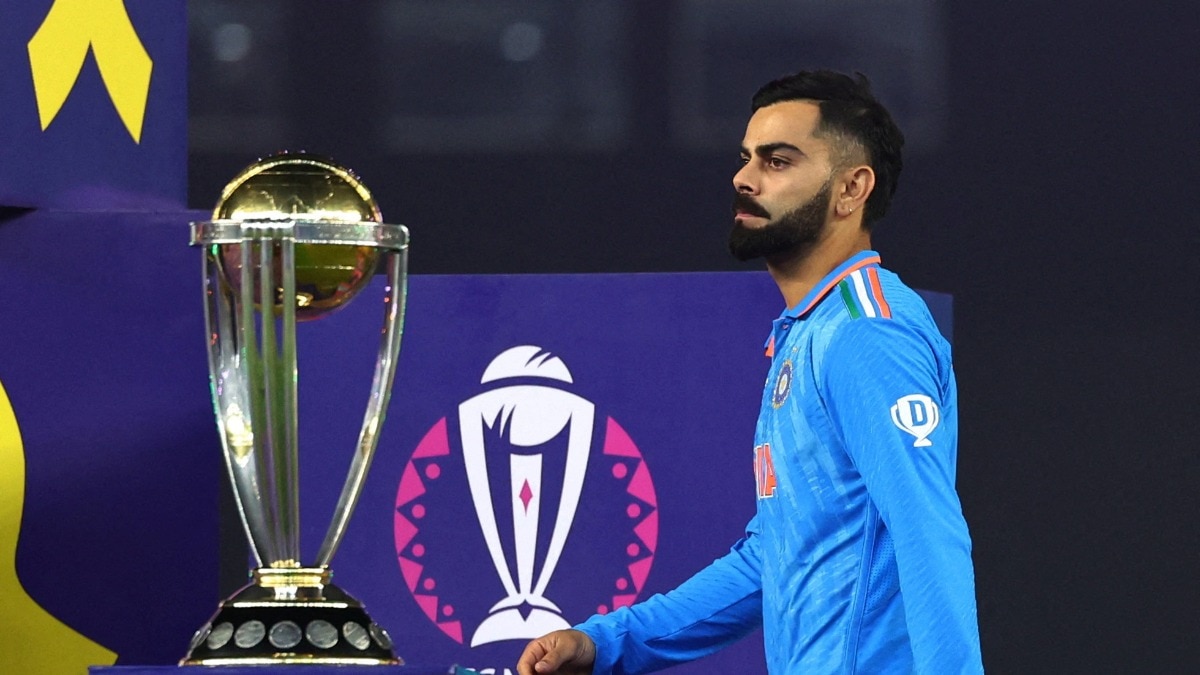
Mumbai still had moments where they looked in control. They had RCB at 39/3 after removing Virat Kohli for a duck. Corbin Bosch pulled them back into the game repeatedly with a four-wicket haul. Yet somehow, once the pressure phase arrived late in the chase, MI again lost their grip on the game.
That happened far too often this season.
This was a Mumbai side that conceded runs at an economy of 11.34 per over across the tournament, the worst figure ever recorded by any team in a single IPL season. Inside the Powerplay, things got even uglier. MI leaked runs at 11.72 an over in the first six overs, again the worst in the league.
That lack of control constantly forced the batting group to play catch-up cricket.
The bigger surprise was how disconnected Mumbai often looked despite having so many experienced names. Between Rohit Sharma still being the emotional face of the franchise, Hardik Pandya captaining the side and a dressing room full of senior international cricketers, MI rarely looked settled tactically or emotionally.
Head coach Mahela Jayawardene admitted exactly that after the playoff elimination.
“We were not good enough. We were not consistent enough with the ball, with the bat, and that showed the margins,” Jayawardene said after the Raipur defeat.
“We were probably two-three wins away from being in the same group of contenders to get into that playoff. But we didn’t get those wins.”
What probably hurt Mumbai most was that the IPL itself has evolved rapidly around them. Teams like Sunrisers Hyderabad, Punjab Kings and Rajasthan Royals fully embraced fearless batting and modern T20 aggression. MI often looked stuck somewhere between eras. Not explosive enough to dominate games, not disciplined enough to squeeze teams conventionally either.
THE OVERDEPENDENCY ON JASPRIT BUMRAH
For nearly a decade, Mumbai Indians always had one safety net: Jasprit Bumrah.
The problem in IPL 2026 was not just that Bumrah had one of his quieter seasons statistically. It was that the entire bowling structure looked completely dependent on him fixing everything around it.
Bumrah finished with just three wickets in 10 matches and even went wicketless in his first five games, something almost unthinkable by his standards. But the larger issue sat around him.
Hardik Pandya went at an economy of 12.7. Deepak Chahar leaked runs at 13.4 an over. Shardul Thakur struggled even more at 13.6.
The spin attack never really existed either.
Mumbai’s spinners collectively picked up only four wickets in the first half of the season while maintaining the worst spin economy rate in the tournament at 11.83. That completely killed MI during middle overs where opposition sides comfortably rotated strike without scoreboard pressure.
Speaking on JioStar, Anil Kumble explained the problem bluntly.
“Mumbai Indians have depended on Bumrah ever since he came into the side, but at the moment, they are relying on him far too heavily. Somebody else also needs to pick up wickets.”
Kumble also pointed towards the lack of quality Indian spin options, something that once used to be a strength for Mumbai.
“The biggest weakness of this side is the lack of quality local spinners,” he added.
And that weakness kept exposing them across the season.
HARDIK PANDYA NOT THE ONLY PROBLEM
Hardik Pandya’s captaincy will naturally remain under scrutiny because the numbers are brutal. Since taking over Mumbai, MI have now lost 22 out of 37 matches under him.
Several tactical decisions this season backfired badly too. Bowling changes during crunch moments looked reactive rather than proactive. There were games where Mumbai misused the Impact Player rule and others where Hardik visibly looked frustrated with teammates on the field.
But blaming Hardik alone would probably ignore how unstable this entire season became for MI.

Rohit missed multiple matches because of injury. Mitchell Santner was ruled out for the season. Hardik himself missed matches because of back spasms. Mumbai eventually used 20 different players through the campaign, the most by any side, constantly shuffling combinations because of injuries and form issues.
Jayawardene admitted that many of those changes were forced rather than tactical.
“What you guys probably didn’t know is that we had a lot of injuries, a lot of niggles, players getting injured, and some players were not available,” he said.
The bigger issue perhaps was the body language.
Former MI spinner Harbhajan Singh, who spent years inside Mumbai’s title-winning dressing rooms, pointed towards something rarely associated with MI teams.
“Even when we were losing earlier, our body language was never flat. Right now, that confidence is missing,” Harbhajan said.
That feeling stayed visible through most of the season. Once games started drifting away, this Mumbai side often looked strangely passive rather than combative.
SENIOR PLAYERS NOT PERFORMING UP TO THE MARK
Mumbai’s biggest stars simply never clicked together.
At one stage of the tournament, MI did not have a single batter inside the top 30 run-scorers list despite possessing one of the most decorated batting lineups in the league.
Suryakumar Yadav, who smashed more than 700 runs last season, managed just 195 runs in 11 innings this year. Hardik scored only 146 runs across eight innings alongside four wickets. Tilak Varma started the season with just 43 runs in his first five innings before showing flashes later on.

Even the Powerplay batting became wildly inconsistent.
Mumbai chased down 221 against KKR early in the season and looked capable of playing modern aggressive T20 cricket. But the same batting group later collapsed to 29/3 against Chennai Super Kings during another damaging defeat.
Jayawardene still defended the core group strongly after elimination.
“The commitment, the effort that they’re putting in is unbelievable. The core group is quite valuable for us. You can’t just keep changing,” he said.
But IPL 2026 also probably confirmed something uncomfortable for Mumbai Indians.
This no longer feels like a champion side temporarily going through a rough patch.
For the first time in a long time, Mumbai Indians genuinely look like a franchise searching for itself again.
IPL 2026 | IPL Schedule | IPL Points Table | IPL Player Stats | Purple Cap | Orange Cap | IPL Videos | Cricket News | Live Score
– Ends