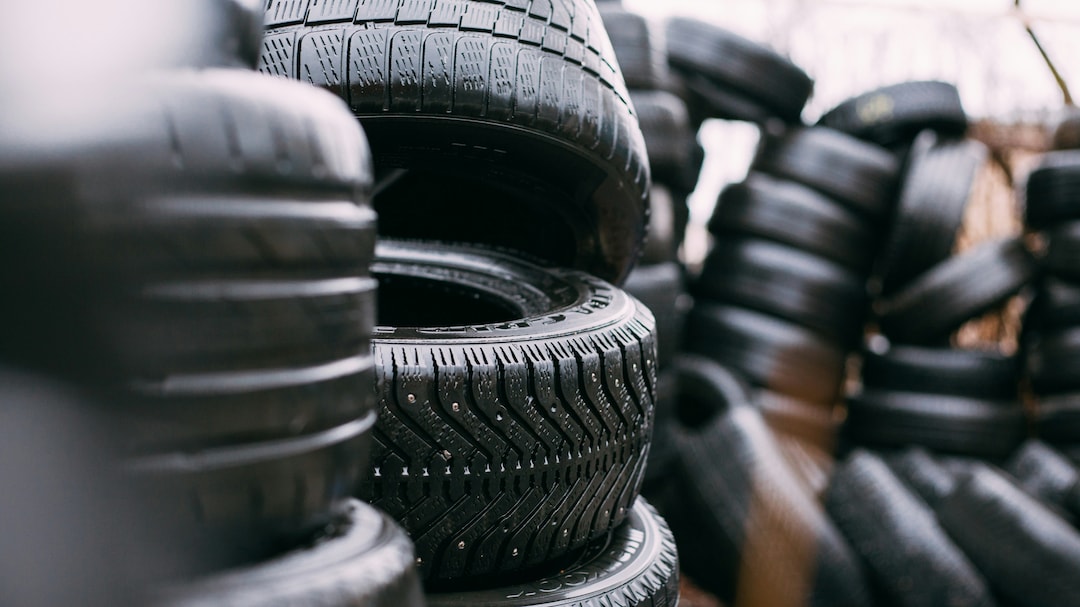
Prime Minister Narendra Modi’s call to revive work‑from‑home practices and curb non‑essential travel can soften urban tyre replacement demand, even as the broader rubber industry remains structurally stable, according to the All India Rubber Industries Association.
India’s rubber sector is closely linked to daily mobility, particularly passenger vehicles and two‑wheelers that dominate city commuting. Any sustained reduction in office travel or discretionary trips, industry executives say, is likely to slow tyre wear and delay replacement cycles.
Anay Gupta, president of Airia, said the WFH impact would be most visible in metro markets. “Lower daily vehicle usage means tyres wear more slowly, and replacement purchases get postponed rather than eliminated,” Gupta said.
India consumes about 380 million tyres annually and is the world’s third‑largest tyre consumer. Replacement tyres account for nearly 58 per cent of total demand, driven largely by urban commuting. Passenger vehicles and two‑wheelers together form the backbone of this segment.
“This will not collapse demand, but it can flatten urban replacement growth for a few quarters,” Gupta said, adding that the effect would be cyclical rather than permanent.
Commercial vehicle demand, however, is expected to remain resilient. Freight movement, infrastructure execution and e‑commerce logistics continue to support truck and bus tyre consumption. Domestic tyre demand is still projected to grow 6-8 per cent in FY2026, led by stable replacement demand outside major urban centres.
Beyond passenger tyres, Modi’s emphasis on public transport could also shift rubber consumption patterns. Expansion in metro rail, railways and electric bus fleets increases demand for specialised rubber components, such as vibration‑control systems, profiles, hoses and fleet tyres.
“The future rubber economy will be less driven by private vehicles and more by infrastructure‑led mobility,” Gupta said, pointing to a gradual change in where growth comes from rather than an overall demand contraction.
Energy uncertainty also feeds into raw‑material strategy. Natural rubber prices remain elevated amid global supply disruptions, while synthetic rubber stays exposed to crude price volatility. India consumes over 1.4 million tonnes of natural rubber annually, well above domestic production levels.
“If crude‑based inputs stay volatile, manufacturers will reassess natural rubber wherever substitution is technically feasible,” Gupta said, noting renewed interest in domestic cultivation and long‑term rubber security.
At the same time, rising fuel prices pose a cost challenge through logistics. Rubber manufacturing is transport‑intensive, and higher diesel prices push up raw‑material movement, finished‑goods distribution and export freight.
“Higher logistics costs have become the biggest invisible burden for rubber MSMEs,” Gupta said, warning that export competitiveness could weaken even if production remains steady.
Gupta said the Prime Minister’s appeal should be seen as a signal rather than a shock. “This is not just an oil‑saving message but an indicator of a broader shift toward energy efficiency and sustainable industrial growth,” he said.
For the rubber industry, the transition may temporarily cool urban tyre demand while accelerating a longer‑term move toward infrastructure‑linked, technology‑driven growth.
Essential Business Intelligence,
Continuous LIVE TV,
Sharp Market Insights,
Practical Personal Finance Advice and
Latest Stories — On NDTV Profit.