


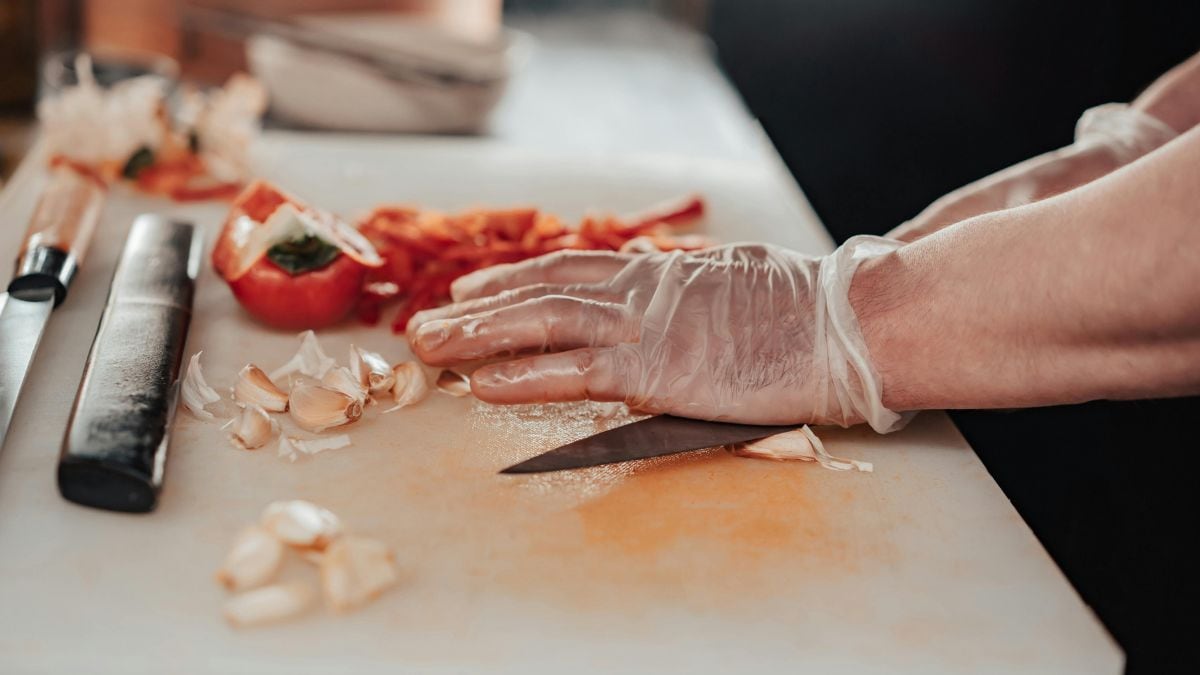
The kitchen is the heart of the home, where meals are prepared, and flavours come alive. But it is also one of the easiest places for harmful bacteria to spread if proper hygiene is not followed. One of the biggest reasons food-related illnesses happen in homes and restaurants is something called cross-contamination. And yes, during hot summer months, the risks become even higher. But what is it, and how does it impact our lives?
What Exactly Is Cross-Contamination?
Cross-contamination happens when harmful bacteria, viruses, allergens, or other unsafe substances are transferred from one surface or food item to another. So, if something unsafe touches something safe and makes it unsafe too.
For example, cutting raw chicken on a chopping board and then using the same board for salad without washing it properly or using the same knife for raw meat and fruits leads to cross-contamination. Even if food looks perfectly fresh and clean, invisible bacteria can still spread.
Cross-contamination usually happens in three main ways:
1. Bacteria spread when one contaminated food item touches another. A common example is storing raw chicken above cooked food in the fridge. If juices drip down, bacteria can spread instantly.
2. Bacteria can live on kitchen counters, chopping boards, knives, sinks, and utensils. If these surfaces are not cleaned properly, they can transfer bacteria to fresh ingredients.
3. Hands are one of the biggest carriers of contamination. Touching raw meat, your phone, trash bins, pets, or even your face and then handling food without washing your hands spreads bacteria quickly.
Why Is Cross-Contamination Dangerous?
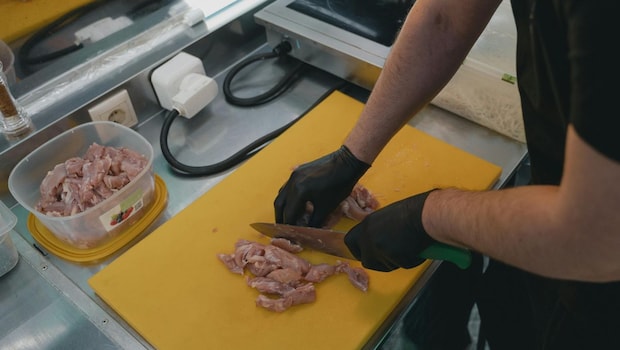
Photo: Pexels
Contaminated food can cause food poisoning symptoms, such as:
- Stomach cramps
- Nausea
- Vomiting
- Diarrhoea
- Fever
- Dehydration
For healthy adults, this may last a few days. But for children, elderly people, pregnant women, and people with weaker immunity, foodborne illness can become severe and sometimes require hospitalisation. Cross-contamination can also trigger dangerous allergic reactions if allergen-containing foods accidentally touch allergen-free meals.
Summer offers the perfect environment for bacteria to grow rapidly. Most harmful bacteria multiply fastest between 5 degrees Celsius and 60 degrees Celsius. When food is left out too long in hot weather, bacteria multiply faster, and moisture increases microbial growth. This is why foods like cooked rice, dairy, meat curries, cut fruits, and salads become risky much faster in summer.
Precautions To Take In The Kitchen
Cross-contamination is easy to prevent with simple habits:
- Wash your hands properly, especially after touching raw meat, eggs, trash, pets, etc.
- Store raw meat in sealed containers on the bottom shelf of the refrigerator.
- Keep different chopping boards for raw meat and vegetables, fruits, and cooked food.
- Use disinfectant to clean the counters, sinks, knives, and handles regularly.
- Kitchen sponges hold bacteria easily, so it’s important to replace them or sanitise them properly.
- Avoid undercooked food because proper cooking kills most harmful bacteria.
Food safety is about building smart kitchen habits that protect everyone at the table.



