


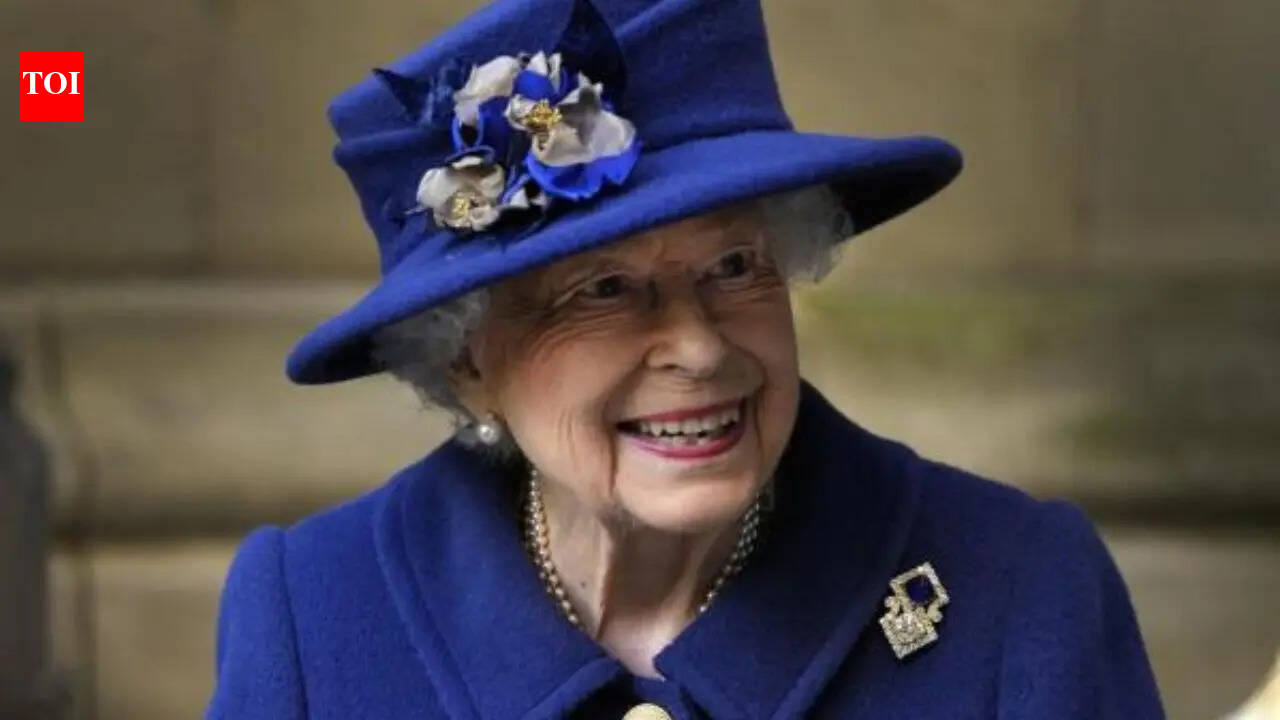

There are some quotes that immediately sound powerful because they are dramatic. Then others work differently. They feel quiet at first. Simple. Almost ordinary. Then, after reading them a second time, they begin to settle in your mind a little more.This quote from Queen Elizabeth II feels very much like that.At first glance, the words seem gentle. Almost like advice somebody older in the family might give after observing people for decades. But then you realise something interesting. Queen Elizabeth was not speaking after a few years of experience. She spent more than seventy years on the throne, met thousands of people across different countries, cultures, backgrounds and professions, and watched several generations grow and change.That gives the quote a slightly different weight.Because these are not words based on one moment or one emotional reaction. They sound more like an observation gathered slowly over a lifetime.And perhaps that is partly why people still connect with it.
Quote of the day by Queen Elizabeth
“Over the years, those who have seemed to me to be the most happy, contented and fulfilled have always been the people who have lived the most outgoing and unselfish lives.”
A thought that came from watching people for decades
What makes this quote interesting is that Queen Elizabeth did not say that the happiest people were necessarily the richest, most famous, or most successful. She did not mention power either.Instead, she focused on something much quieter.Unselfishness.That choice stands out because modern life often sends people a very different message. Success today is frequently measured in visible things. Money. Titles. Followers. Attention. Achievements people can display publicly.None of those things is automatically bad, of course. Still, many people eventually discover that external success and personal fulfilment do not always move together.Someone can appear successful and still feel disconnected or unhappy.Someone else can live a relatively ordinary life and seem genuinely content.Queen Elizabeth appears to be talking about that difference.She seems to suggest that fulfilment often grows through connection with others rather than constant focus on ourselves.
Why the quote feels surprisingly relevant today
Interestingly, words spoken by somebody born in 1926 can still feel closely connected to modern life.Today’s world often feels extremely individual-focused. Social media especially encourages people to think constantly about personal image and visibility. People build online identities, count followers, compare achievements and sometimes feel pressure to present perfect versions of themselves.After a while, it can become exhausting.There is always another milestone. Another comparison. Another target.Queen Elizabeth’s quote quietly takes a different turn.She is not talking about collecting more things or becoming more important than everyone else. She is talking about people who live “outgoing and unselfish lives”. There is something almost refreshing about that wording because it shifts attention outward.Not toward “What am I getting?”More toward “What am I giving?”That may sound simple, but the difference can be surprisingly large.
The meaning behind “outgoing and unselfish”
People sometimes misunderstand the word “outgoing” and immediately think of extroverts or highly social personalities.The quote does not necessarily seem to mean that.Being outgoing here appears closer to engagement with life itself. Paying attention to other people. Remaining curious about the world. Being willing to participate rather than withdrawing completely into personal concerns.Someone does not need to become the loudest person in every room for that.Quiet people can live deeply connected and generous lives, too.Then comes the second word: unselfish. That part probably carries the real heart of the quote.Unselfishness is not about completely ignoring personal needs. It is more about recognising that life becomes larger when people care about others, too. Sometimes that means helping someone. Sometimes it means listening properly. Sometimes it means giving time, support or kindness without expecting immediate rewards.Many people have experienced small moments like that.Helping somebody unexpectedly.Checking on a friend.Doing something thoughtful without any real reason except that it felt right.Strangely enough, people often remember those moments for years afterwards.
Queen Elizabeth spent much of her life around service
The quote becomes more interesting when viewed alongside Queen Elizabeth’s own life.Elizabeth II spent decades speaking about service and duty. During public speeches and national addresses, those ideas appeared repeatedly. Her role placed enormous attention on her personally, yet much of her public message focused on serving communities and responsibilities beyond herself.People sometimes viewed that approach as traditional or old-fashioned.Still, many individuals respected the consistency.Across changing decades, political shifts and social transformations, the language of service remained present throughout much of her public life.That does not mean people agreed with everything connected to the monarchy itself. Public opinions around institutions can vary widely.Yet many people still viewed Queen Elizabeth personally as somebody strongly associated with duty and stability.Her quote reflects those values clearly.
Why people often chase happiness in difficult places
One reason this quote continues to resonate may be because people frequently search for fulfilment in places where it never fully stays.People tell themselves things like:“I’ll feel happy once I earn more money.”“I’ll feel complete after reaching that next goal.”“I’ll finally relax after achieving one more thing.”Then they reach those moments.Sometimes satisfaction arrives briefly.Then another target appears.And another one after that.Many people recognise that cycle.Queen Elizabeth’s observation seems to move away from endless chasing and toward something steadier. Instead of asking people to pursue happiness directly, she appears to suggest living generously and allowing fulfilment to grow naturally from that.Something is interesting about that idea because happiness often seems harder to catch when people pursue it too aggressively.
Why kindness still matters more than people sometimes admit
Modern culture can occasionally make kindness appear soft or secondary compared with ambition and competition. Yet people usually remember kindness long after other details disappear.Think about ordinary life for a moment.People remember the teacher who encouraged them. The neighbour who helped during difficult periods. The friend who stayed. The person who showed up unexpectedly.Very few people look back years later and think, “I wish somebody had been more impressive.”They often remember how somebody made them feel instead.Perhaps Queen Elizabeth noticed that repeatedly across her lifetime.
Other famous quotes by Elizabeth II
- “Grief is the price we pay for love.”
- “It has always been easy to hate and destroy. To build and to cherish is much more difficult.”
- “We all need to get the balance right between action and reflection.”
- “Small steps taken in faith and hope can overcome long-held differences.”
- “Each day is a new beginning.”
- “The lessons from the peace process are clear; whatever life throws at us, our individual responses will be all the stronger for working together.”
Why these words continue to stay with people
Some quotes survive because they sound clever. Others survive because people keep recognising the truth inside them.Queen Elizabeth’s words feel more like quiet advice gathered from years of observing human life closely. She does not claim happiness comes from wealth, status or recognition. Instead, she points toward something smaller and more human: paying attention to others and living with generosity.Perhaps that feels meaningful because many people eventually discover something similar themselves.Life often becomes fuller when it stops revolving entirely around our own wants and worries.And maybe that is why the quote still feels relevant now. Decades change. Technology changes. The world becomes faster and noisier.People, in many ways, remain remarkably similar.



