


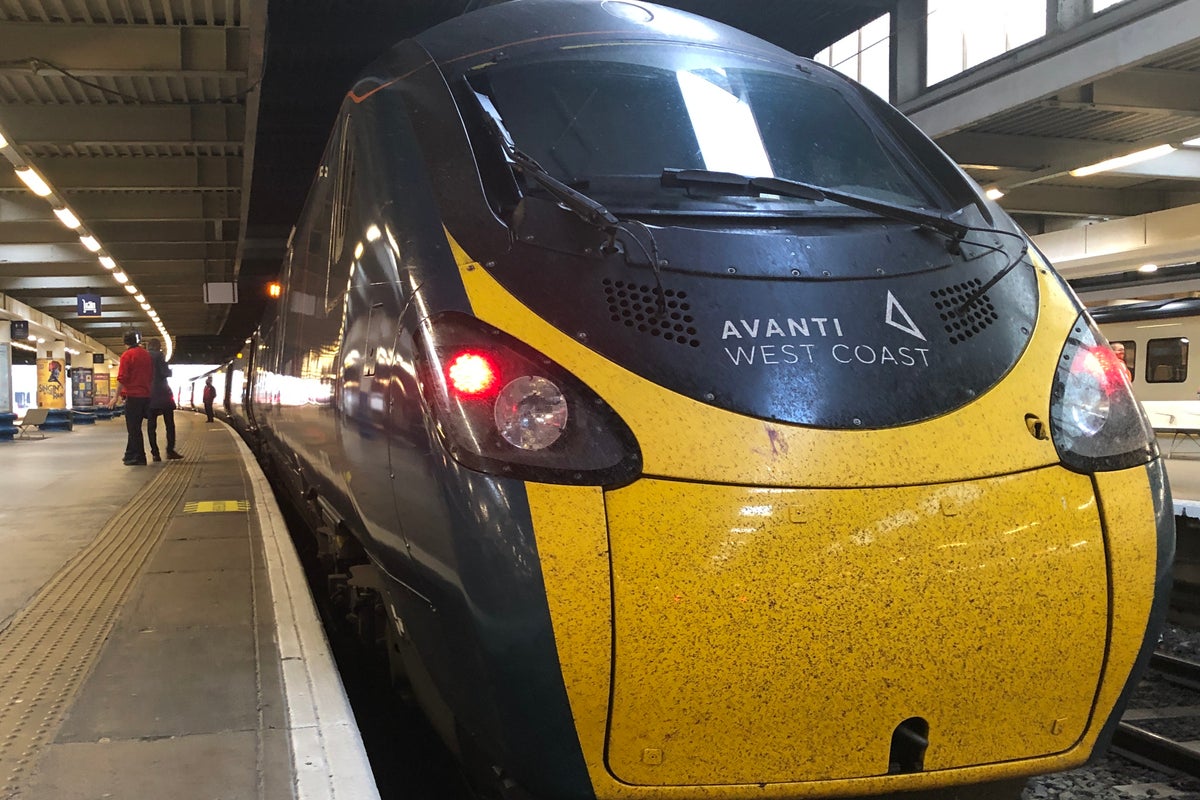
Avanti West Coast is set to axe one in seven services on its busiest routes this summer, following a government directive to reduce spending.
The move will see about 38 daily weekday services removed from timetables for six weeks from 20 July.
The cuts will affect key connections between London Euston and Birmingham, Liverpool, and Manchester along the West Coast Main Line, where the operator typically runs 248 daily services.
Avanti West Coast, a joint venture, said that it proposed targeting services with lower demand in response to a Department for Transport (DfT) request for cost reductions, a plan which received official approval.
The company said that the measure will cause minimal disruption to passengers and will not diminish revenue.
It comes as all train services operating under DfT contracts are being transitioned into public ownership.
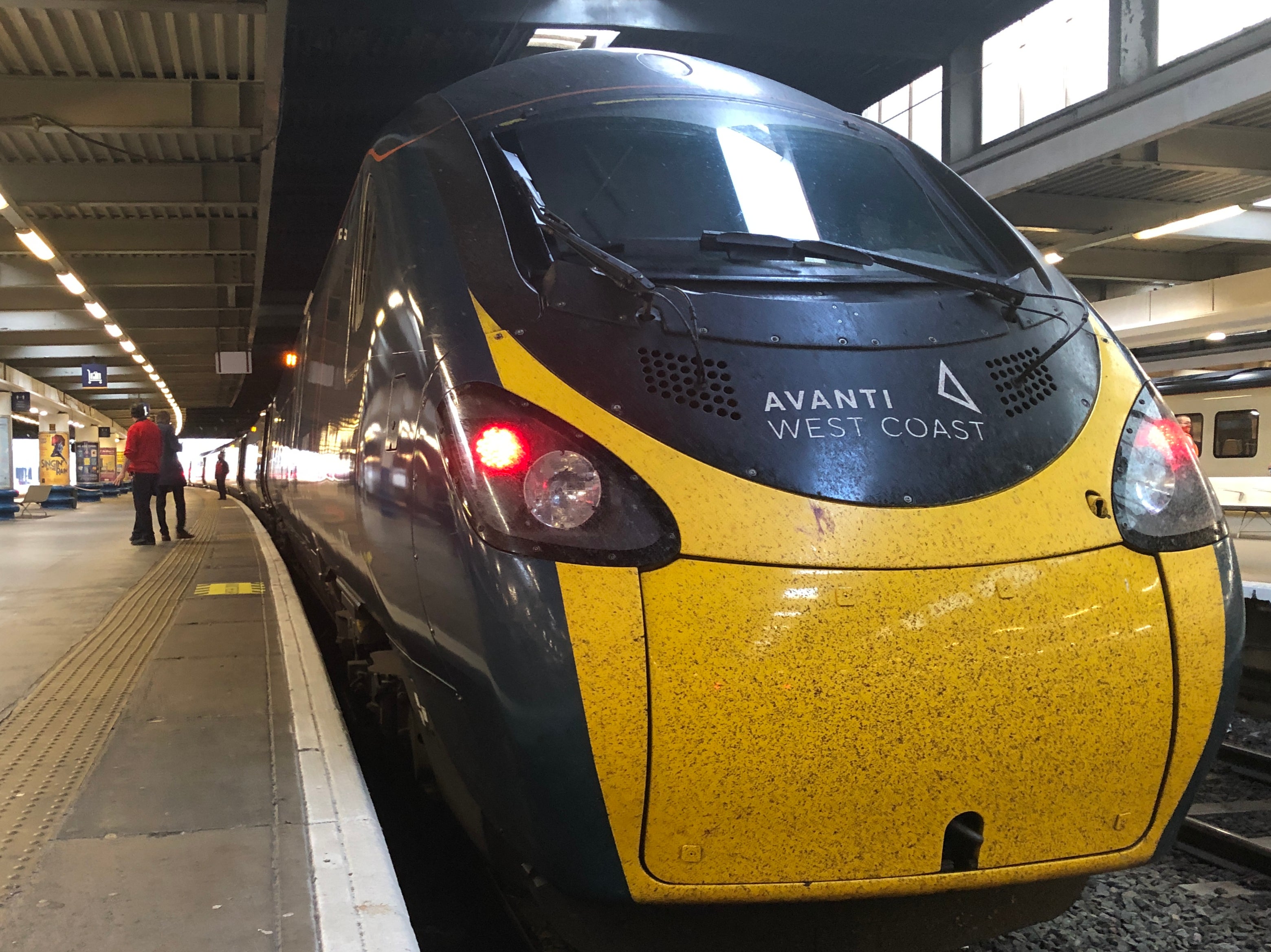
Even companies such as Avanti West Coast which are yet to lose their services have their finances heavily influenced by the DfT. This is because of contracts introduced in March 2020 at the start of the Covid-19 pandemic.
An Avanti West Coast spokesperson said: “From July 20 to August 28, we will be operating an amended timetable between London and Birmingham, Liverpool and Manchester on weekdays.
“To ensure minimal impact to those travelling between the affected dates, these changes will only affect routes on which we operate more than one train per hour, during typically less busy periods of the day – maximising alternative journey options.
“We’d like to encourage customers planning to make journeys during this time to plan ahead, and thank them for their understanding.”
Affected services are being removed from online ticketing services before becoming available for purchase.
The DfT was approached for comment.
Avanti West Coast temporarily slashed its timetables in August 2022 in an attempt to reduce short-notice cancellations after a sharp decline in the number of drivers voluntarily working on rest days for extra pay, amid industrial relations disputes across Britain’s railways.
It has since boosted its capacity beyond pre-Covid levels.
The operator said that the latest reduction in services is not because of a lack of resources.
Office of Rail and Road figures show Government funding of the rail industry’s operations was £11.9 billion in the year to the end of March 2025.
That was down 7 per cent from £12.7 billion during the previous 12 months, but remained 47 per cent above the total of £8.1 billion in 2019/20.
Last year’s £11.9 billion figure represented 46 per cent of the industry’s costs, with revenue from fares funding the vast majority of the rest.



