


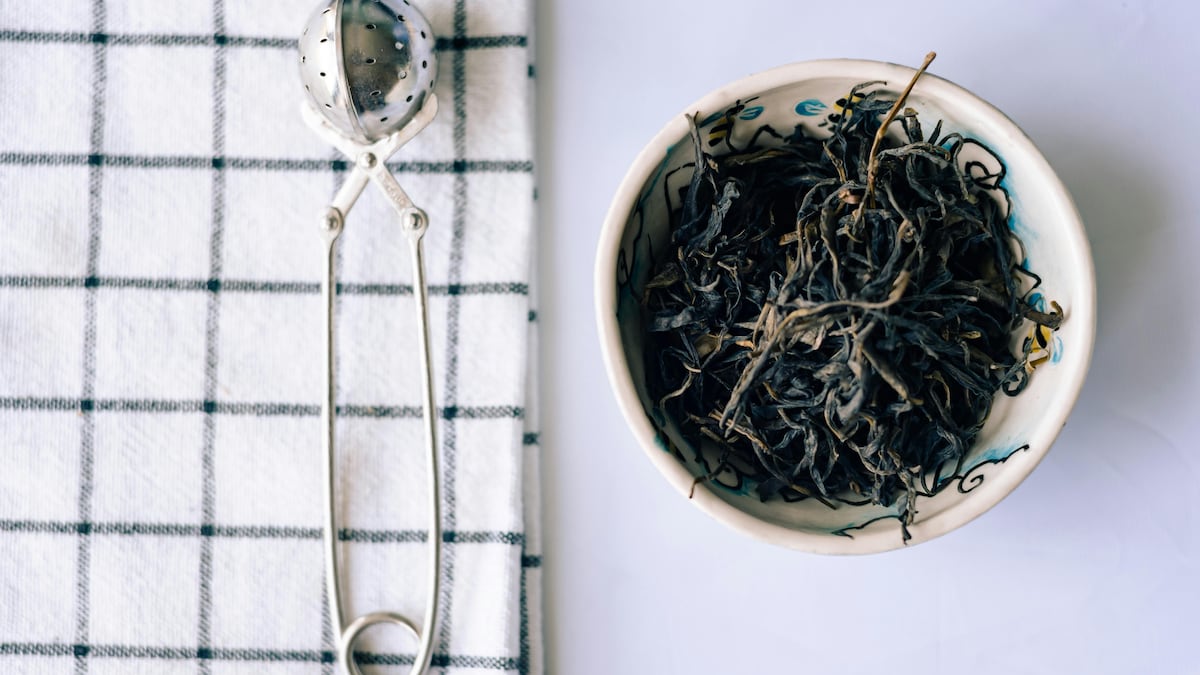
India is the second-largest producer of tea in the world. Assam alone accounts for more than half the country’s total output, and produces roughly one-sixth of all the tea grown globally. And yet, the overwhelming majority of Indians have never tasted the finest tea this region makes. We grow it, we ship it abroad by the ton, and we drink something else entirely every morning. That something else is CTC, the crushed, machine-processed pellets that go into every stovetop chai across the country. Meanwhile, Assam Orthodox, a GI-tagged, hand-processed brew with layers of flavour that most of the world pays a premium for, quietly sits outside most Indian conversations about tea.
First, What Even Is Assam Orthodox?
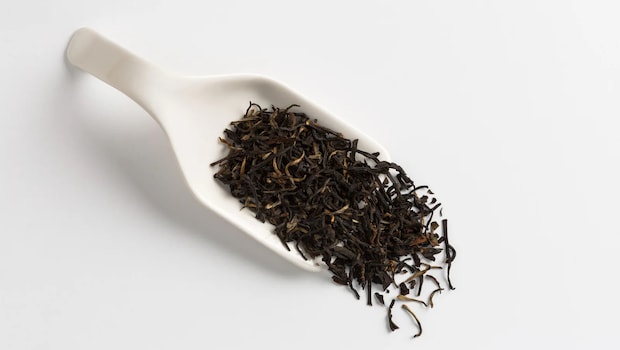
The word “orthodox” here doesn’t mean traditional in a vague, fuzzy sense. It refers to a very specific method of processing tea that has been used for centuries and is distinct from the industrial approach that dominates modern production.
Orthodox Assam tea is generally higher quality, less likely to be bitter, and contains more subtle and multi-layered flavours than CTC Assam. The leaves are usually harvested by hand to get intact, whole leaves; small, young tea leaves are plucked from the tips of the tea bush. Once harvested, they go through a careful series of steps: withering, rolling, oxidation, and firing. Each of these is done slowly, deliberately, and with close attention to timing.
Also Read: 7 Lesser-Known Bengali Sweets Locals Swear By
Withering is done on long metal troughs in a shaded area for about 14 to 20 hours. The tea leaves are spread out, and as moisture evaporates, they become limp and pliable, allowing them to be rolled without damage. Rolling, done by hand for the highest grades, releases chemicals stored in the leaf cells and begins the oxidation process by exposing them to the air. The leaves are then laid out for about two to four hours in a humidity- and temperature-controlled room, where the air reacts with the chemicals released during rolling and turns the leaves from green to reddish-brown and then black. Finally, firing halts oxidation and completes the drying of the tea leaves.
The result is a whole or large broken leaf with character, complexity, and a flavour profile that’s entirely its own.
So What’s CTC, and Why Is That What Most Indians Drink?

CTC, standing for Crush, Tear, and Curl, is a method for processing black tea where leaves are crushed, torn, and curled into small pellets. This technique is prevalent in brands like Brooke Bond and Tata Chai, known for their uniform, dark granules. CTC is designed for mass production, ensuring quality and affordability globally, particularly suited for the Indian method of brewing tea with milk, sugar, ginger, and cardamom. The CTC pellets release their colour and strength quickly, making them ideal for stovetop chai.
In contrast, orthodox tea leaves require space to unfurl, precise water temperature, and time to steep, which are not compatible with the boiling, milky preparation typical in India. Consequently, CTC has become the staple for everyday tea in India, while orthodox tea is primarily grown for export.
In Assam, 89% of tea production is CTC, with only 11% being orthodox and speciality teas. Nationally, in August 2025, India produced 170.12 million kg of tea, with 148.62 million kg being CTC and 19.22 million kg orthodox. Most orthodox tea is exported to countries like Iraq, Iran, and Russia, while CTC is mainly sent to Egypt and the UK, indicating that Assam’s finest tea often leaves the country.
The GI Tag and Why It Matters
Assam produces both orthodox and CTC teas, with the popular Assam Orthodox Tea GI-tagged since 2008. This tag ensures authenticity, allowing only teas from the Camellia Sinensis var. Assamica is grown in the Brahmaputra or Assam Valley to carry it, placing it alongside Darjeeling tea and Kanchipuram silk. Assam contributes one-sixth of global tea production and 52% of India’s. The Tocklai Experimental Station, the world’s oldest and largest research station, supports this by maintaining the tea’s full-bodied liquor. Despite this rich heritage, much of Assam’s premium tea is exported.
What Does It Actually Taste Like?
This is where things get genuinely exciting, especially if you’ve only ever experienced Assam through the bottom of a cutting chai glass.
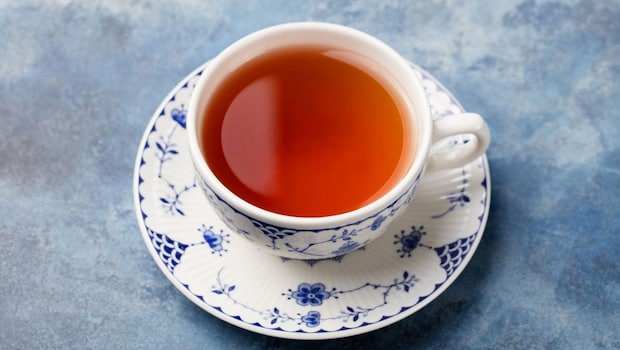
The Assamica varietal, combined with the Brahmaputra valley’s alluvial soil and year-round tropical humidity, creates a tea with a bold, malty character unique to this Indian region. Fully oxidised Assam leaves yield a deep amber-to-copper liquor with a rich, biscuity sweetness.
Second-flush orthodox black teas are complex, sweet, and layered. Harvested between May and June, these teas are celebrated by connoisseurs. During this time, the leaves mature, sunlight is abundant, and monsoon rains nourish the bushes, resulting in deep maltiness, golden tips, and subtle sweetness.
Flavours you encounter are earthy, spicy, caramel, and sweet. The liquor is brisk, strong, with woody and caramel notes. Assam boasts a firm, malty taste and depth, with typically higher caffeine content. Think less “delicate floral” and more “deep, warming, satisfying.” If Darjeeling is a crisp white wine, Assam Orthodox is closer to a smooth, full-bodied red.
Understanding the grading system is key. The highest grade is Golden Tip, made mainly of the best quality tips. Below that is FTGFOP1, the finest top-grade with abundant tips. TGFOP and TGFOP1 are the main grades of fine quality Assam teas. Full leaf versus broken leaf can affect taste, with broken leaf releasing more tannin and potentially more bitterness. When you see these letter combinations on a label, you’re looking at the real thing.
Also Read: Beyond The Pint: How Beer Is Reinventing The Cocktail Experience
How to Actually Brew It
Many Indians mistakenly treat Assam Orthodox like CTC, but it’s different. Look for TGFOP or FTGFOP grades, indicating high-quality whole-leaf teas with golden tips. The second flush (May to June) is peak Assam, known for its strong malty character. Single-estate teas from gardens like Halmari, Mangalam, or Mokalbari offer more nuanced flavours than generic blends.
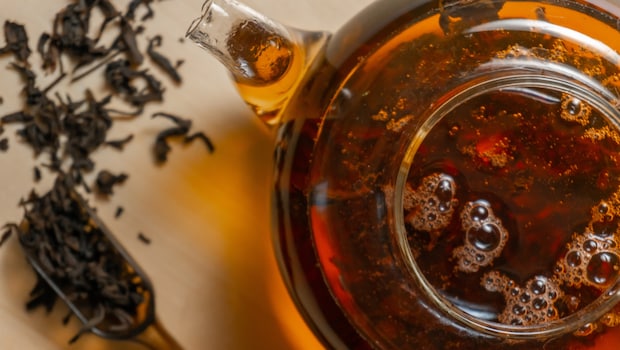
To brew Assam Orthodox at home, use fresh, filtered water at a full rolling boil (100°C). Measure one heaped teaspoon (2.5 to 3 grams) per cup. Place the leaves in an infuser, strainer, or teapot, pour boiling water over them, and steep for three to five minutes. Avoid over-steeping to maintain subtlety. Strain and pour.
Drink it plain first to appreciate its complex flavour. Assam Orthodox can be enjoyed with a bit of milk, but black is the true experience. For iced tea, cold brew overnight for eight to ten hours for a smooth, rounded flavour.
Why You Should Care
Beyond the flavour, there’s something worth sitting with here. India is one of the great tea nations of the world. We have the largest contiguous tea-growing region on earth in Assam. We have centuries of cultivation knowledge, GI protection, world-class research stations, and some of the finest estates producing tea that connoisseurs in Europe, Iran, and Russia seek out and pay serious money for.
And most of us have never tasted it.
If you want to know the true taste of the tea plant itself, you ought to choose orthodox options, which have a wider range of tastes. CTC teas are great if you love black tea with milk or Indian chai. Both have their place. But it’s worth knowing that there’s a whole other register of flavour coming from the same region, the same plant, the same soil, and that it’s genuinely exceptional.
You can find Assam Orthodox online fairly easily now, from estates like Halmari, Meleng, and Mokalbari, all of which sell directly to consumers. Brands like 1868 by Tata Tea and several speciality tea companies also carry it. Prices are higher than your daily CTC packet, but a good tin of second flush Assam Orthodox goes a long way, and it brews a cup that’s in an entirely different conversation.
Also Read: Which City Is Known As The Dosa Capital Of India?
The Brew Nobody Knows About
Most of us grew up thinking we knew Assam tea. The reality is, we knew CTC, which is a fine and useful thing, but it’s only one side of the story. Assam Orthodox is the other side: slower, more considered, more complex, and frankly remarkable for what it is. It has a GI tag that places it in the same protected tier as Darjeeling. It has estates that have been refining the craft for over a century. It is grown on Indian soil, by Indian hands, in the largest tea-producing region in the world. The very least we could do is drink a cup.



