


Dhaka:
A 10-member Bangladesh delegation led by Ayesha Akhter, additional secretary to the Ministry of Commerce in Bangladesh, attended the meeting in New Delhi and called for the removal of restrictions on its exports through Indian land ports. In 2025, the Directorate General of Foreign Trade (DGFT) in India announced new port restrictions on the import of certain goods from Bangladesh to India.
Bangladesh has called for the removal of restrictions on its exports through Indian land ports, the withdrawal of anti-dumping duties on Bangladeshi jute products and PET film, and the continuation of tariff preferences after graduating from the least developed country (LDC) category. Some of these restrictions came into force during the rule of the interim regime led by Muhammad Yunus between August 2024 and February 2026.
The issues featured prominently at the 16th meeting of the Bangladesh-India Joint Working Group (JWG) on Trade, which began in New Delhi on October 8, Bangladesh Sangbad Sanstha (BSS) reported.
A 10-member Bangladesh delegation led by Ayesha Akhter, additional secretary to the Ministry of Commerce in Bangladesh, attended the meeting in New Delhi.
In May 2025, the Directorate General of Foreign Trade (DGFT) in India announced new port restrictions on the import of certain goods from Bangladesh to India.
While India had earlier allowed all exports from Bangladesh without restrictions, the transit and market access to the North East had been restricted by Bangladesh. Sources said at that time that the measure by India restored equal market access for both countries. India placed restrictions on readymade garment imports from Bangladesh to only two seaports – Nhava Sheva and Kolkata – as a reciprocal measure to Bangladesh imposing similar trade restrictions on Indian yarn and rice.
In June 2025, New Delhi ordered that jute from Bangladesh would not be allowed to enter India through land ports on the India-Bangladesh border, and the notification issued by the Directorate General of Foreign Trade at that time stated that the restrictions would apply across all land and sea ports except Nhava Sheva sea port in Mumbai.
These decisions affected India-Bangladesh trade, especially at land ports on the border.
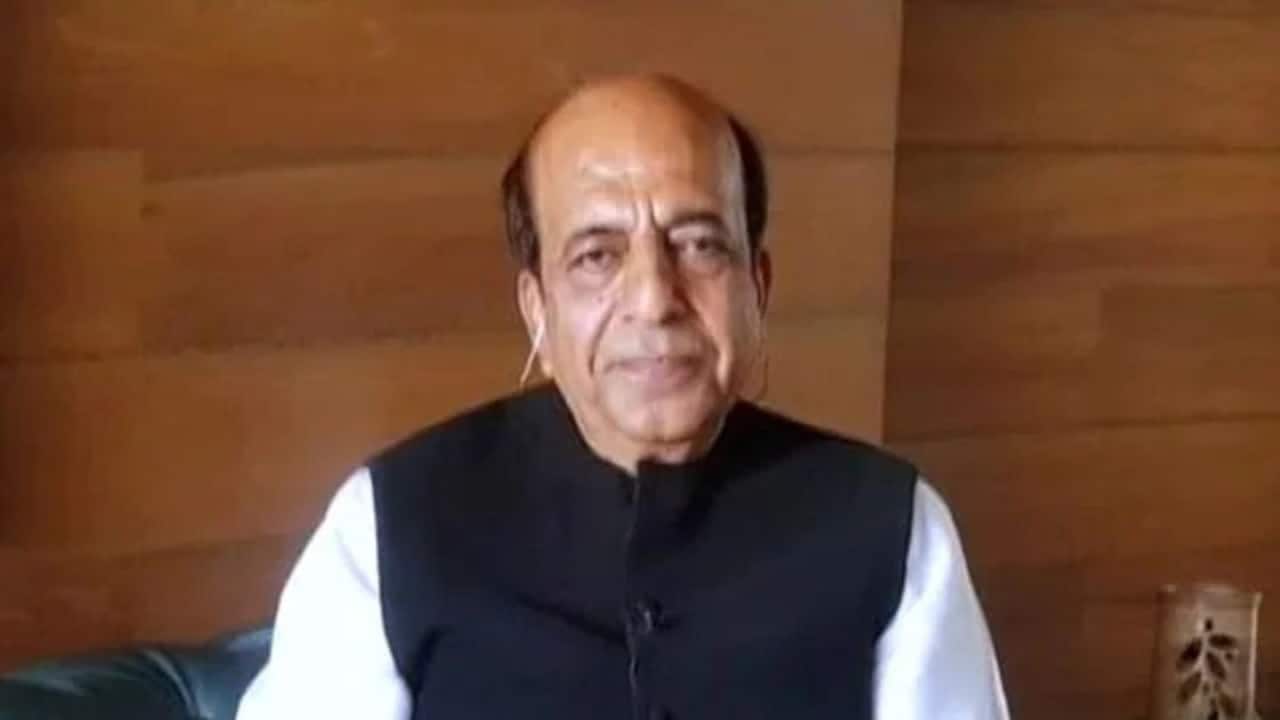
In August this year, India’s High Commissioner to Bangladesh, Dinesh Trivedi, held a courtesy meeting with the Minister of Commerce, Industries, Textiles & Jute of Bangladesh, Khandaker Abdul Muktadir.
Since the change of government in Bangladesh, there has been an effort to improve ties and rebuild the relationship, with Trivedi focusing on people’s issues rather than political agendas like the issue of former Prime Minister Sheikh Hasina.
Discussions on various aspects of bilateral economic and commercial cooperation between India and Bangladesh were held at the meeting, and High Commissioner Trivedi emphasised the important role of businesses and the private sector in steering the economic partnership for mutually beneficial trade and investment. A broad gamut of issues of mutual interest and mutual benefit was also discussed.
The discussions also highlighted the importance of strong people-to-people ties as an enduring foundation of India-Bangladesh relations, and the need to further deepen connections between the business communities, professionals and people of the two countries.
At the meeting of the Bangladesh-India Joint Working Group (JWG) on Trade, Bangladesh sought a review of existing restrictions on its goods entering India through land ports, alongside the removal of tariff and non-tariff barriers that limit access to the Indian market.
India has not decided on the requests made by Bangladesh, but it has sought the revival of border ‘hats’ or markets and integrated check posts and land customs posts which were shut during the tenure of the interim government as ties deteriorated due to the Yunus government’s anti-India policies.
New Delhi has proposed removing restrictions on exports of cotton yarn and other products to Bangladesh through certain land ports.
India wants to ease barriers to exports from Northeastern Indian states to Bangladesh, improving regional connectivity and expanding multimodal transport.
However, recent developments have shown that India and Bangladesh are working towards restoring bilateral trade. Last week, a barge carrying 540 metric tons of methanol left the Bogibeel Terminal in Dibrugarh for Dhaka, Bangladesh, with Union Minister of Ports, Shipping and Waterways, Sarbananda Sonowal, flagging off the vessel DLB Patkai.
The two sides further discussed improving the efficiency of trade routes, including the Akhaura-Agartala link, strengthening rail connectivity and resolving issues related to border hats.


