


There is a point in every barbecue when enthusiasm gives way to mild panic. The coals are either refusing to get hot or suddenly capable of cremating dinner, the fish has welded itself to the grill and somebody has remembered, slightly too late, that vegetables need cooking too.
Fortunately, the people who cook over fire for a living have a few better ideas.
This September, Borough Market is staying open after hours for Flame & Smoke, bringing together its chefs, traders and restaurateurs for an evening of live-fire cooking. Taking place on Thursday 10 September from 6.30pm to 9.30pm, the event will feature demonstrations spanning grilling, roasting, smoking and charring, alongside specially created small plates to eat as you go.
Ahead of the event, five of the Market’s fire-cooking experts share the techniques worth stealing for your own barbecue – including why hotter coals are not always better, how to stop fish drying out and why the vegetable drawer deserves considerably more attention.
Dom McCourt, butcher at Northfield Farm: Treat flame as an ingredient
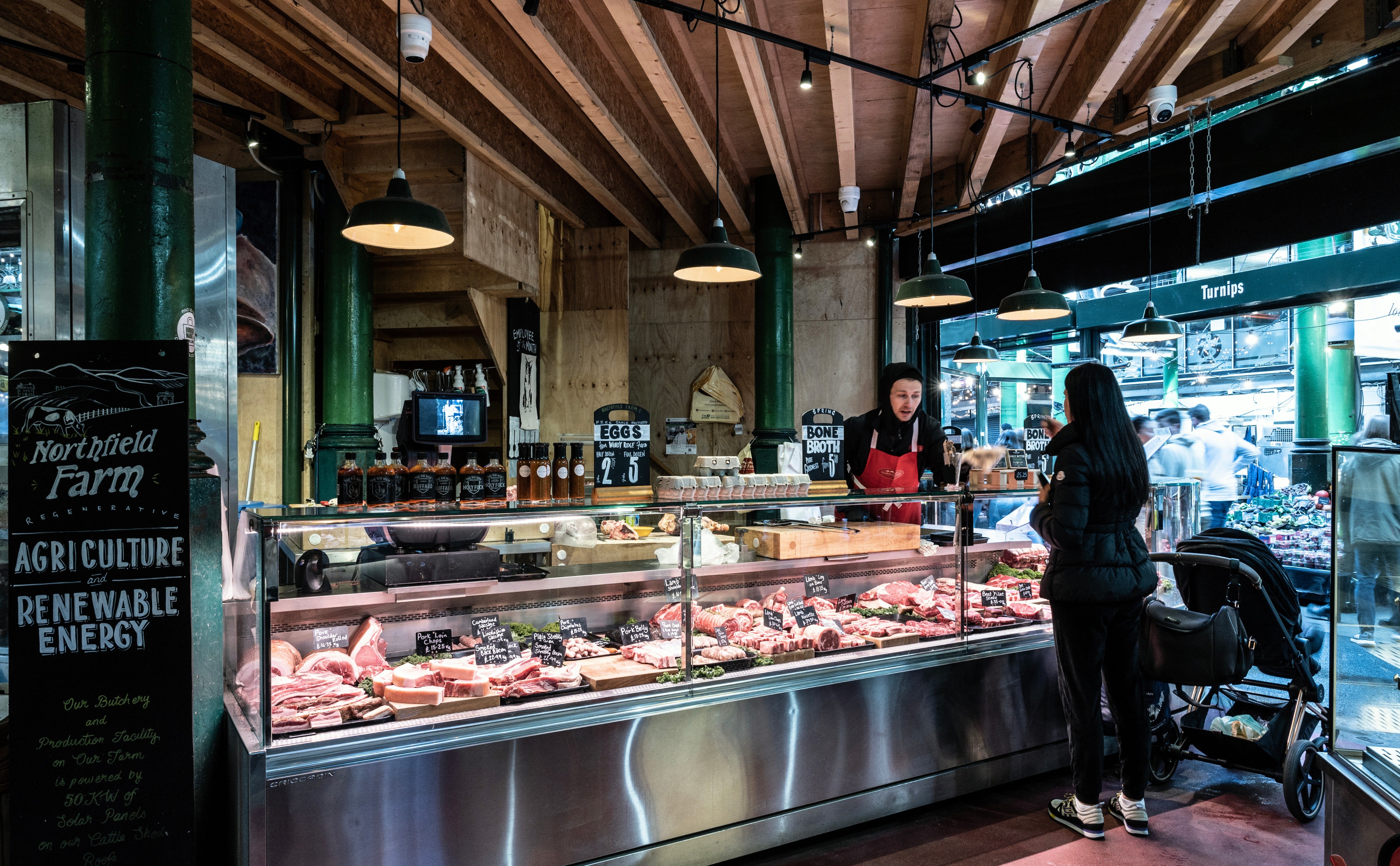
“Everything is enhanced when cooked on fire. A steak is a great place to start, though. Any cut will work but something with a bit of fat is best. As the fat renders, it creates that dance between the flame and the meat that gives barbecue cooking its unmistakable flavour.
“The flame is an ingredient in itself. Whether you’re using gas or charcoal, you’re still getting that extra flavour. But I always recommend our customers go with charcoal. Cooking on charcoal is an intuitive process, which can feel a bit scary. But the pay-off is far greater once you’ve built up those instincts.
“Good quality charcoal is more expensive, but it brings a better flavour and will also burn longer, so you’ll get that value back through a longer burn time.
“The coals also need to be hot enough. My number one tip is to buy a chimney starter. It gets your coals really hot in no time at all, and that’s the key to great barbecue cooking. Hot coals give you a proper sear, while also helping to prevent the black smoke that gives food an ashy, bitter flavour.
“Our food culture in the UK has evolved a lot, but barbecuing still lags behind the rest of the world. In cuisines across Spain, France, South America and East Asia, cooking over fire is ingrained in the food culture. It’s a traditional way of cooking. We’ve been cooking over fire for far longer than we’ve had domestic kitchens, and we should embrace that.”
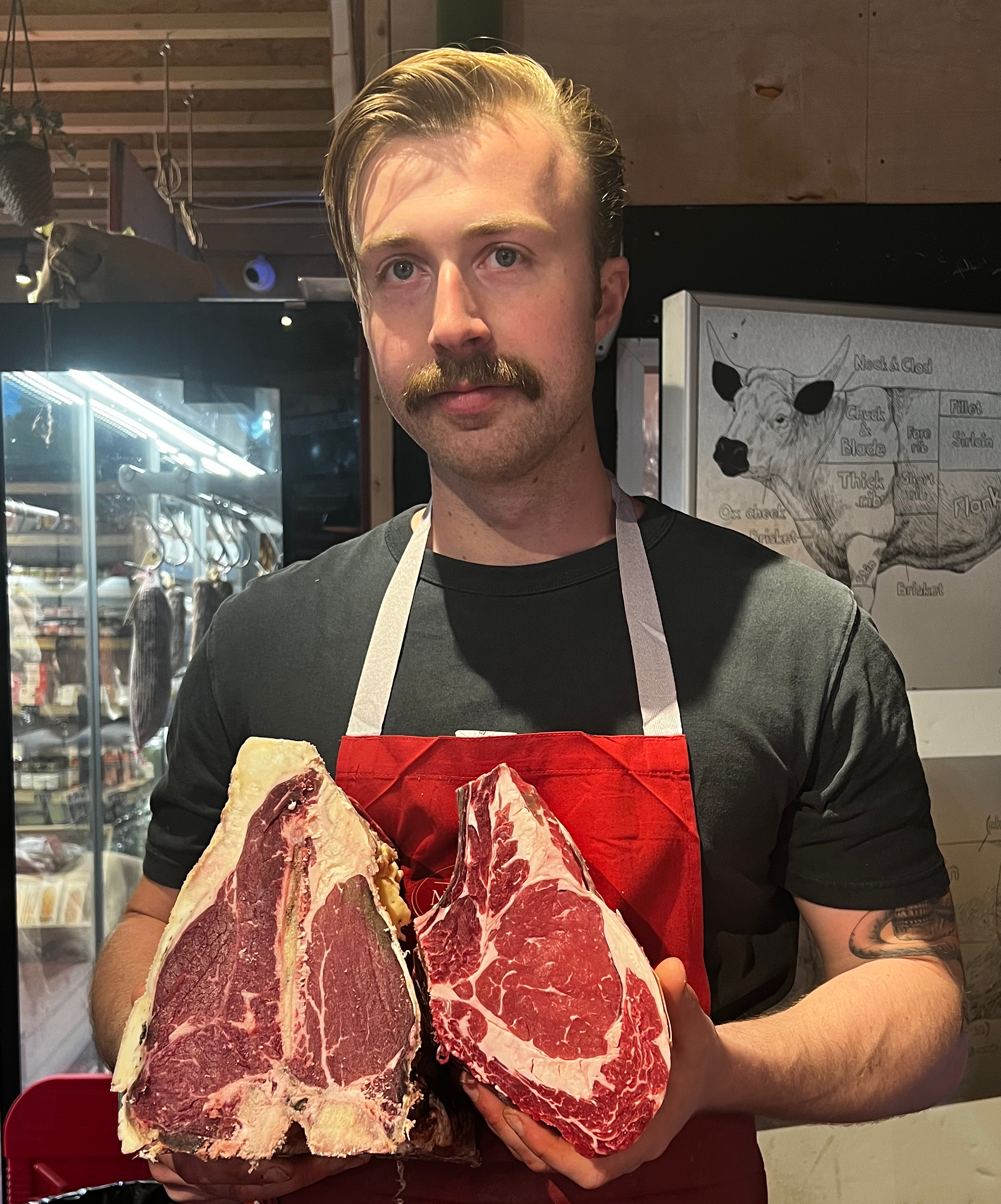
Matt Tarantini, executive chef at Elliot’s: Master your heat zones
“Cooking over fire, especially charcoal and wood, adds an extra layer of flavour. Learning to control the fire and use the elements to your advantage is an art, but one that you can master with some practice.
“Charcoal choice is important: lumpwood or briquettes? At the restaurant we use briquettes made from hazelnut shells, as they are long-burning and more eco-friendly, so great for long services. At home it’s mostly lumpwood for those quick dinners.
“Next is understanding the varying temperatures around the grill and how to use the space to your advantage. I run my grill with my charcoal pit off to one side, and a couple of logs smouldering just off to the other side. On the wood side, it’s all about cooking low and slow. Some smoky harissa lamb ribs are great for this.
“Vegetables take on a new dimension when cooked on fire. And there are so many options. You can start by charring courgettes directly over the coals, then moving to a cooler spot to finish cooking before slicing into a herb and lemon marinade. Or leeks sliced in half and grilled until tender, mixed with feta, pomegranate and lemon. You can even cut up some potatoes, wrap them in foil with onions, garlic and oil, then throw them directly into the coal pit until cooked and crisp. Barbecue cooking is so versatile, so go wild.”
Tom Cenci, chef at Applebee’s: Don’t overcook the fish
“The most important element of barbecuing fish is understanding heat management. Unlike meat, which often benefits from a hard, aggressive sear, fish requires a more nuanced approach. I always aim for a medium-high heat. If your coals are too intense, the outside will char before the delicate centre is cooked, leading to a dry, uneven result.
“The biggest mistake is overcooking. Fish cooks rapidly, so keep a close eye on it. It’s ready when it’s just opaque and flakes easily. Remember, it will continue to cook for a minute or two after you take it off the heat, so err on the side of caution.
“I’m a big advocate for using indirect heat. By pushing your coals to one side of the BBQ, you create a cooler zone that allows you to cook larger, thicker fish slowly, almost roasting them with that distinct smoky flavour.”
Andy Oliver, chef and co-founder of Kolae: Grill low and slow for deeper flavour
“Thai grilling often requires medium, steady heat, not fast char. This is a great way to cook various meat and fish cuts, as it allows time for grill flavour to build and fat to start melting. Fast intense heat risks overcooking delicate proteins like fish or seafood.
“When it comes to flavour, Thai and Southeast Asian marinades often use ingredients like fish sauce, coconut cream, palm sugar or white peppercorns that you might not think of using in a Western approach. But they work really well with open-fire flavours and techniques.
“Our kolae dishes (skewers of meat or seafood basted in a rich coconut sauce) go through multiple stages of marination and slow grilling, resulting in a smoky, yet juicy and rich dish from the curry-like sauces made with freshly pressed coconut cream. They originate from Thailand’s deep south and extend into Malaysia, representing a unique example of Southeast Asia’s diverse grilling techniques.
“A lesser-known trick is to use coconut in your fire. We use the spent grounds left over from pressing out coconut cream, which give a lovely sweet smoke – much more subtle and less intense than the wood smoke often used in Western barbecue styles.”
Cynthia Shanmugalingam, chef-proprietor of Rambutan: Put more vegetables on the barbecue

“There’s something magical about walking into a space where a fire is going. Cooking over fire is a whole process – it’s not like switching on an oven – and that’s what makes it so exciting.
“Sri Lankans don’t have a big tradition of grilling, but fire cooking is fundamental to the cuisine – building a fire, then cooking curries in clay pots over the flames. At Rambutan, we take that spirit and adapt traditional curry recipes, recreating their flavours through marinades or dry rubs instead.
“Try marinating your favourite cut of pork in lots of Sri Lankan black pepper, some cumin, ginger and garlic and a little bit of jaggery or maple syrup for a touch of sweetness. Serve alongside a hot and sharp sambal to really elevate your weekend barbecue.
“People should also grill more vegetables! We put lots of veg on our grill – the sugars caramelise and they take on such an amazing quality. Aubergine, corn, broccoli, anything. Often, if you go to someone’s house for a barbecue it’ll be the meat that gets the focus, but vegetables can be just as delicious.
“To secure early access to Flame & Smoke tickets, join Friends of Borough Market for free, or visit boroughmarket.org.uk when tickets go on general sale on 17 August.”
Once you’ve got the fire under control, there’s only one thing left to do: cook. These two Borough Market recipes – charred courgettes with burnt lemon and za’atar, and spiced lamb burgers – put some of those lessons to work.
Barbecued courgettes, burnt lemon and za’atar by Ed Smith
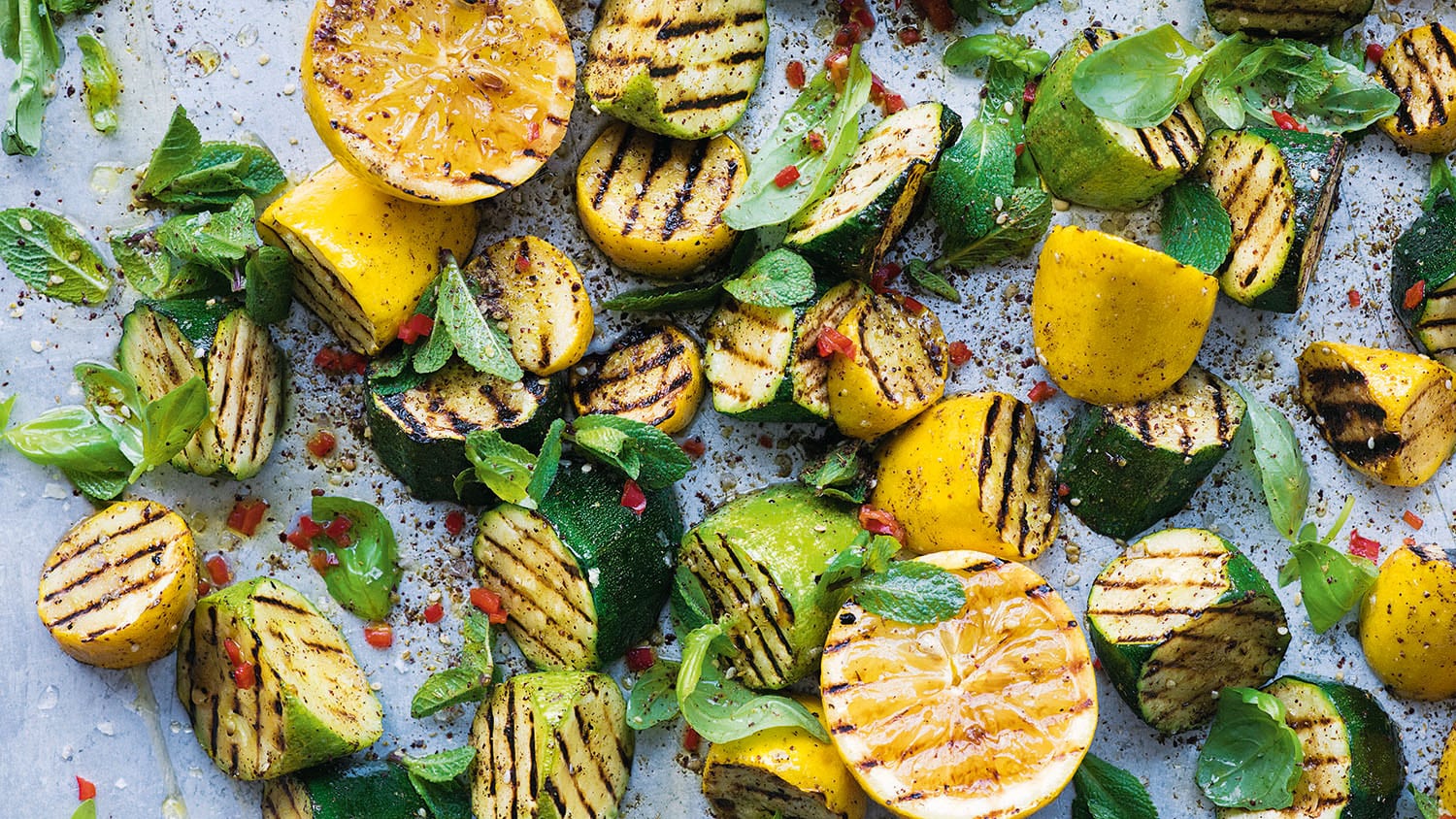
“Courgettes are a great vegetable to barbecue, especially when grilled briefly so they are browned on the outside yet remain relatively raw and crunchy within. In the summer, you’ll find mounds of them at Borough Market, of all different shapes and sizes: straight, dark greens and yellows, of course, but also pale and speckled varieties, spherical, and long and bendy ones.
“This charred, herby salad, dressed with mellowed and jammy burnt lemons, shows how you can use a barbecue to cook and assemble exciting platters of seasonal food. Bolster it with ricotta, feta or fresh goat’s cheese to turn it into a more substantial dish. Try the same method with summer squash (patty pans) which you might stumble upon in August and September. If the weather’s inclement, you can also prepare this using a griddle pan.”
Serves: 6-8 as a side
Ingredients:
1.2kg courgettes (different shapes, colours and sizes), cut into chunky 2-3cm-thick triangular wedges
1 lemon
1 mild red chilli, finely diced
4 sprigs of mint, leaves picked and shredded
20-30 basil leaves
4 tbsp extra virgin olive oil
2 tbsp za’atar
Method:
1. Toss the courgette pieces in 1-2 tablespoons of sunflower or vegetable oil. Thread the courgette pieces onto the skewers (to avoid losing too many through the grill), ensuring the cut faces will be exposed to the heat, rather than the edges with skin.
2. Lay over a hot barbecue and allow to blister and brown. If the courgettes have not softened too much (they should retain some bite), turn the skewers and colour them on another side, too.
3. At the same time, cut the lemon in half and place the halves cut side down on the barbecue for a few minutes, leaving them to colour, soften and become sticky.
4. Transfer the cooked courgettes to a bowl or tray. Squeeze the jammy lemon juice over and add lots of flaky sea salt, black pepper, the diced chilli, three quarters of the fresh herbs and all the extra virgin olive oil.
5. Toss and leave for the flavours to mingle for 3-5 minutes, then tip onto a serving platter where the courgette pieces can be spread out.
6. Add the remaining fresh herbs and sprinkle the za’atar liberally over the salad.
Spiced lamb burgers by Jenny Chandler
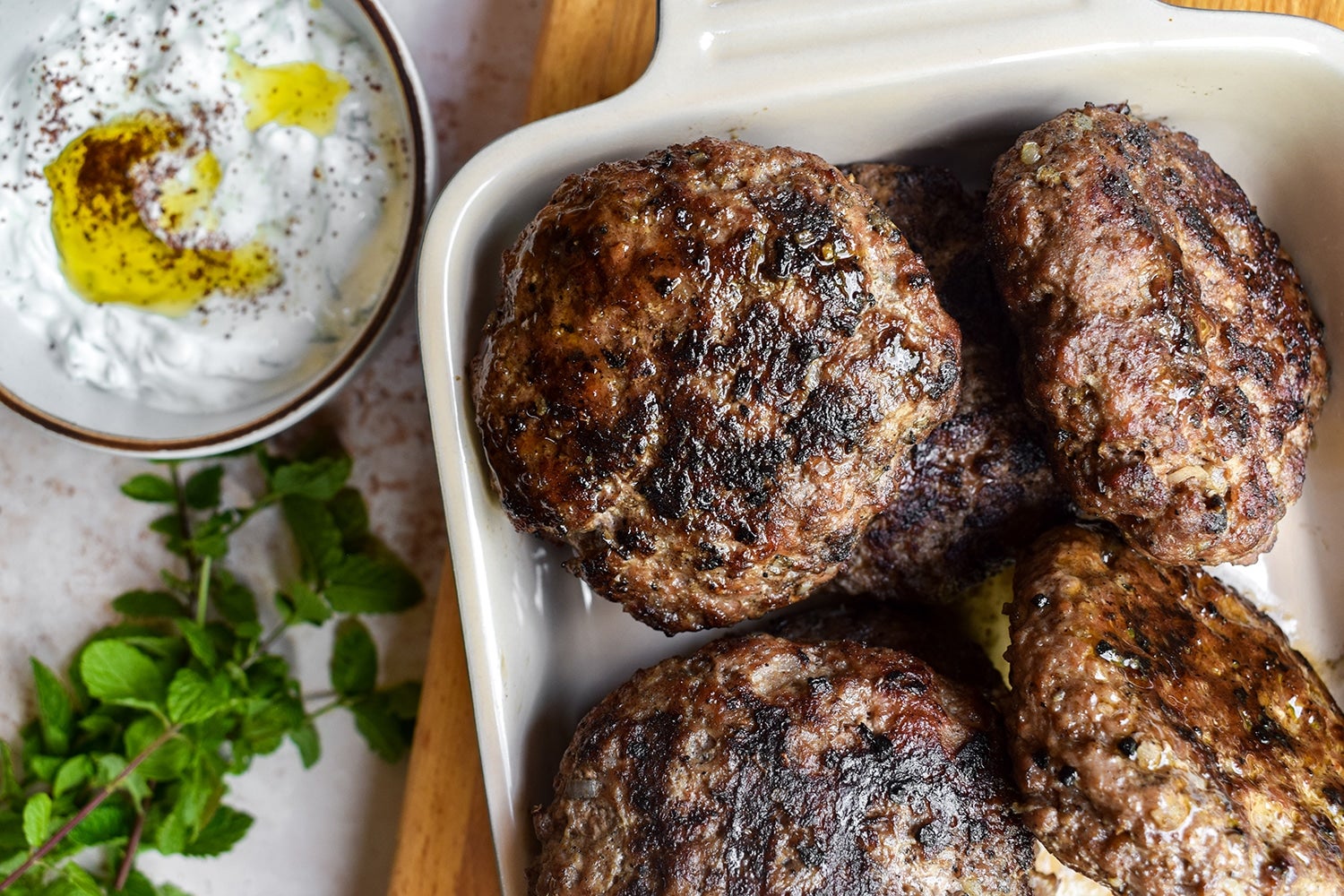
(Image credit: John Holdship)
Serves: 6
Ingredients:
1-2 banana shallots, depending on size
1kg minced lamb
2 heaped tsp baharat spice mix
Method:
1. Dice the shallot as finely as possible and then mix all the ingredients together with your hands in a large bowl.
2. Press together a small coin of the lamb mixture and fry it off in a pan with just a spot of vegetable oil. Taste. Now assess whether you want to up the spices or salt.
3. Divide the meat mixture into six round patties – a press works very well, especially if cooking on a barbecue when a looser texture can be prone to falling apart. Chilling the burgers for at least 1 hour will also help them hold together well.
4. Fry, grill or barbecue the burgers for about 4-5 mins on each side, until they feel firm and are just cooked through.
Alternative: Try seasoning with fresh thyme and sweet smoked paprika for a bit of Spanish flavour, or season with lemon zest and oregano for a Greek touch.
Flame & Smoke takes place at Borough Market on Thursday 10 September, from 6.30pm to 9.30pm. Tickets cost £7 and are available here.


