


Chandigarh:
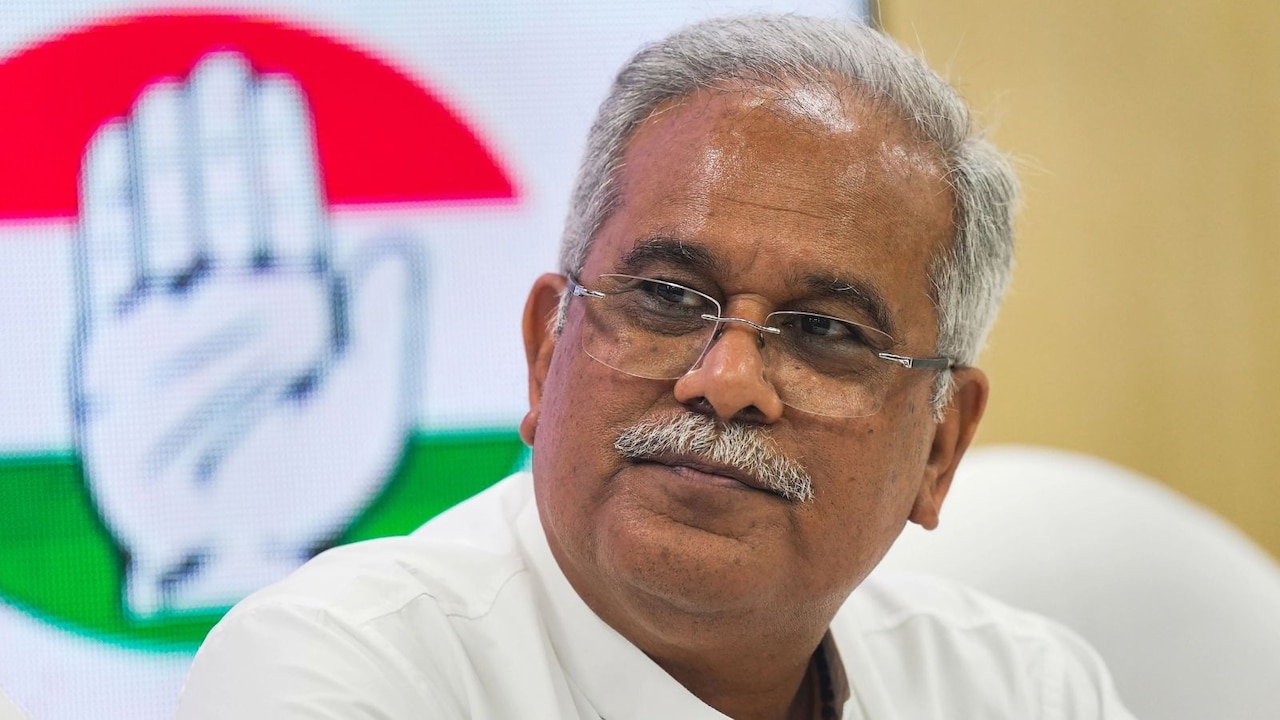
Bhupesh Baghel was sent to Punjab with a clear task: to put the Congress house in order ahead of the 2027 assembly elections. Instead, the party’s internal feud repeatedly exploded in his presence, exposing the limits of the high command’s troubleshooter and ultimately paving the way for his replacement.
Baghel’s stint as Punjab Congress in-charge was marked by an escalating battle between rival camps led by state Congress chief Amrinder Singh Raja Warring and former Chief Minister Charanjit Singh Channi. What was supposed to be an organisational strengthening exercise increasingly turned into an exercise in factional firefighting.
Baghel’s first intervention came in July, when he held a series of meetings with Punjab leaders amid demands from the Channi camp for Warring’s removal. Baghel publicly insisted that there was no rebellion and described the differences as a “spirit of competition”. He also backed the high command’s existing leadership arrangement and warned that indiscipline would not be tolerated.
But the peace did not last.
During Baghel’s subsequent statewide organisational tour, the rebellion moved from closed-door meetings to the streets. At a Congress programme in Patiala, workers raised slogans such as “Channi lao, Punjab bachao” in the presence of Baghel and Warring.
The biggest embarrassment came in Ludhiana on August 6, when a Congress meeting convened to prepare the party for the 2027 elections was disrupted by protesters shouting “Bhupesh Baghel Go Back”. Supporters of Channi loyalist Bharat Bhushan Ashu reportedly arrived wearing anti-Baghel T-shirts, while rival groups clashed at the venue.
The irony was difficult to miss: the man brought in to unite Punjab Congress had himself become the target of the rebellion.
Even Baghel’s warnings of disciplinary action failed to bring an end to the factional war. The Channi camp continued to question Warring’s leadership, while competing factions kept flexing their political muscle. By late August, a Congress show of strength at Baba Bakala again exposed the fault lines, with Channi and his supporters putting up a strong display while Warring’s camp remained conspicuously absent from the stage.
The continuing crisis also reached the Congress high command, with Punjab MLAs seeking intervention from the central leadership. And now comes the clearest indication that Baghel’s intervention failed to deliver the desired result as Congress replaced him with Sachin Pilot as the party’s general secretary in-charge of Punjab.
Baghel’s Punjab assignment, therefore, ends with an uncomfortable political takeaway. He was brought in to quell factionalism; instead, he witnessed rebellion at party meetings, public clashes, anti-Baghel slogans and continuing leadership warfare. With the 2027 elections approaching, the Congress has now handed Pilot the difficult job Baghel could not complete; reconciling a Punjab unit that remains divided over leadership, strategy, and the party’s political direction. The question for Pilot is no longer whether there is factionalism in Punjab Congress. The question is whether he can succeed where Baghel failed.


