


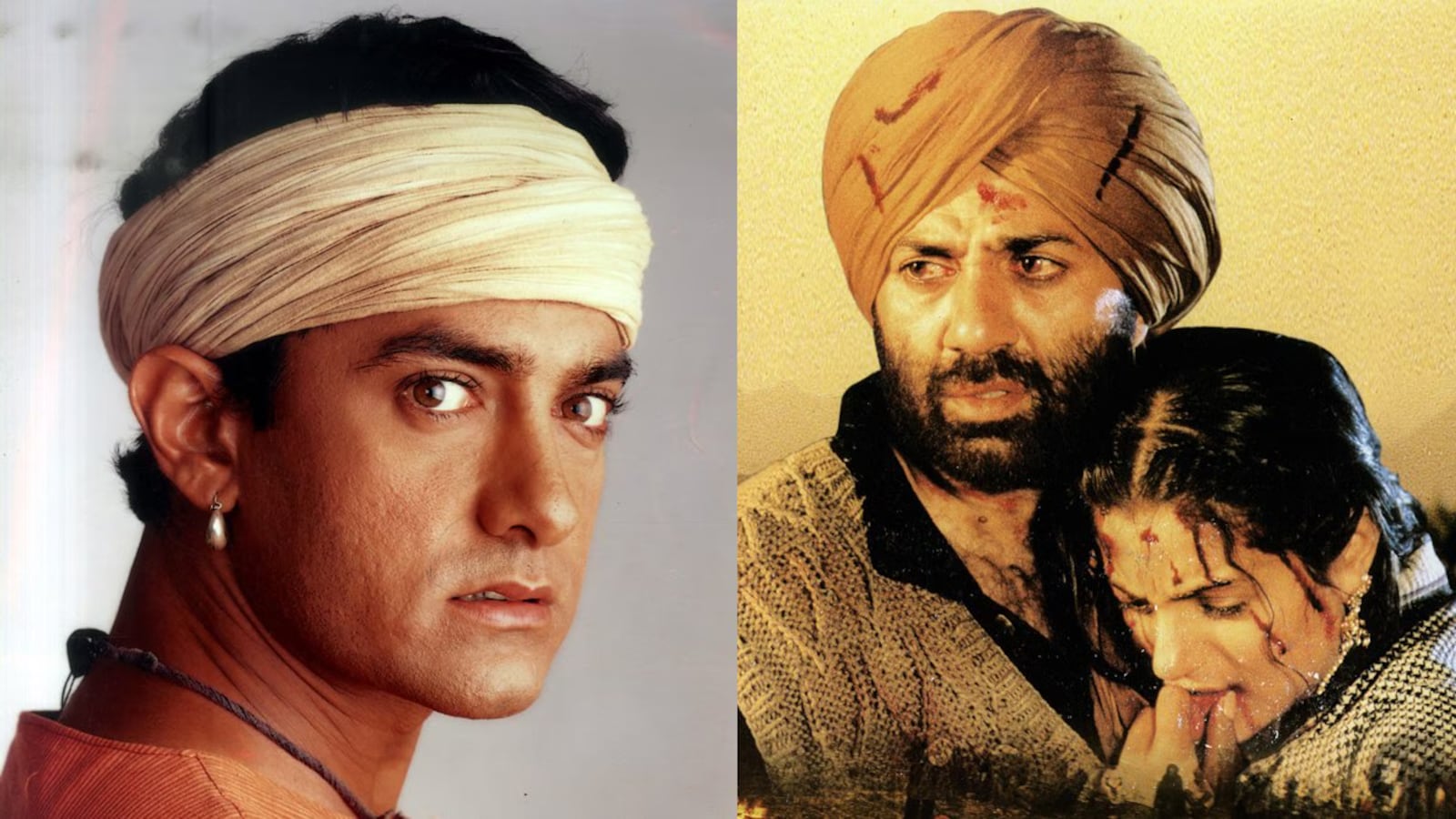
I watched both Lagaan and Gadar: Ek Prem Katha yesterday, exactly a day before the films completed 25 years of their release. Perhaps the interesting part of this entire exercise is that both movies were released just nine days before I was born in June 2001.
While millions had already watched, debated, celebrated and turned these films into cultural milestones over the last quarter-century, I was meeting them for the first time.
And what an introduction it was.
One film had me cheering, crying, smiling and thinking long after the credits rolled. The other had me questioning whether I was expected to leave my brain at the door before pressing play.
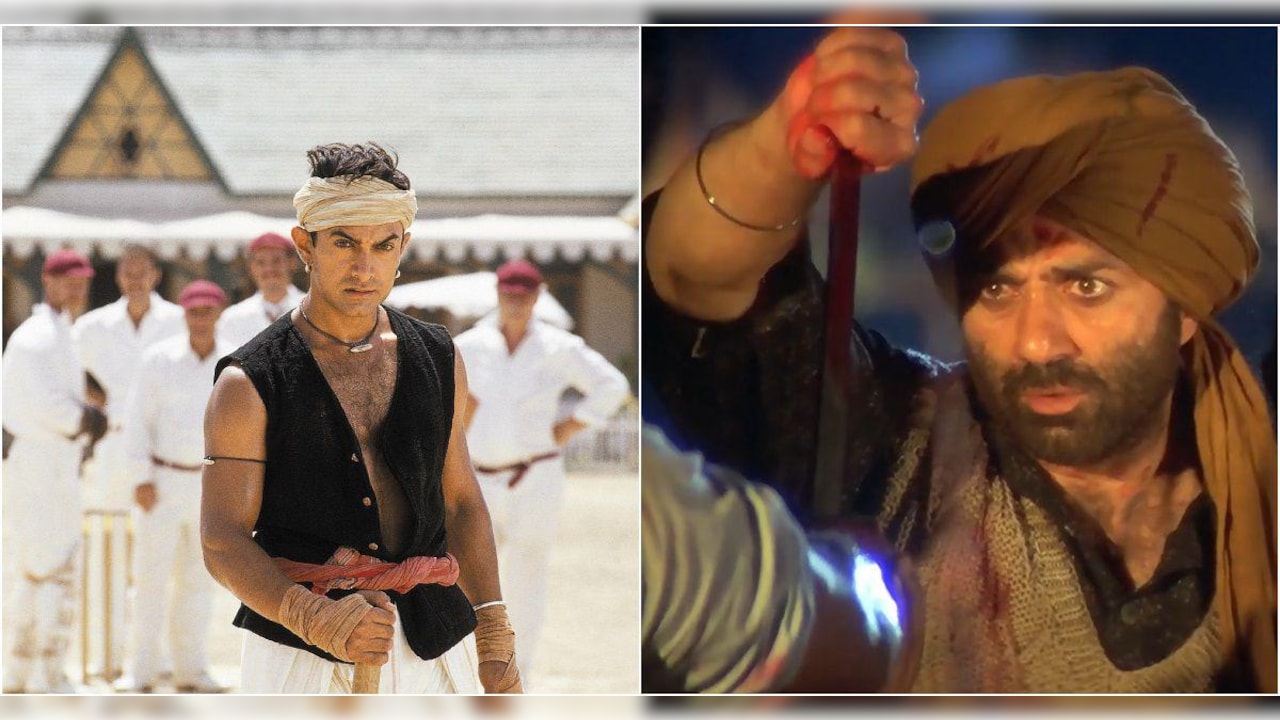
Gadar earned more than double of what Lagaan did worldwide.
Twenty-five years ago, the audience had already delivered its verdict.
Gadar was the undisputed box-office champion. It earned more than double of what Lagaan did worldwide, became a phenomenon, and transformed Sunny Deol’s handpump-lifting scene into Indian pop-culture folklore.
It had everything a mass audience could want: a cross-border love story, patriotic speeches, memorable songs, larger-than-life action, a film bashing Pakistan and a hero who could seemingly defeat an army through sheer force of will.
And honestly? I completely understand why audiences in 2001 embraced it.
But as a Gen Z viewer watching both films in 2026, Lagaan connected with me in a way Gadar never could.
Not because it was more intellectual. Not because it was more critically acclaimed. Not because it was India’s Oscar entry.
It connected because it trusted me as a viewer.
Two Films, Two Very Different Ideas Of Patriotism
Both Lagaan and Gadar are patriotic films. But they wear their patriotism very differently.
Gadar is loud patriotism.
Its nationalism arrives through thunderous speeches, chest-thumping declarations and moments designed to generate applause. Every confrontation feels bigger than life. Every emotion is amplified. Every victory feels like a punch thrown directly at the opposing side.
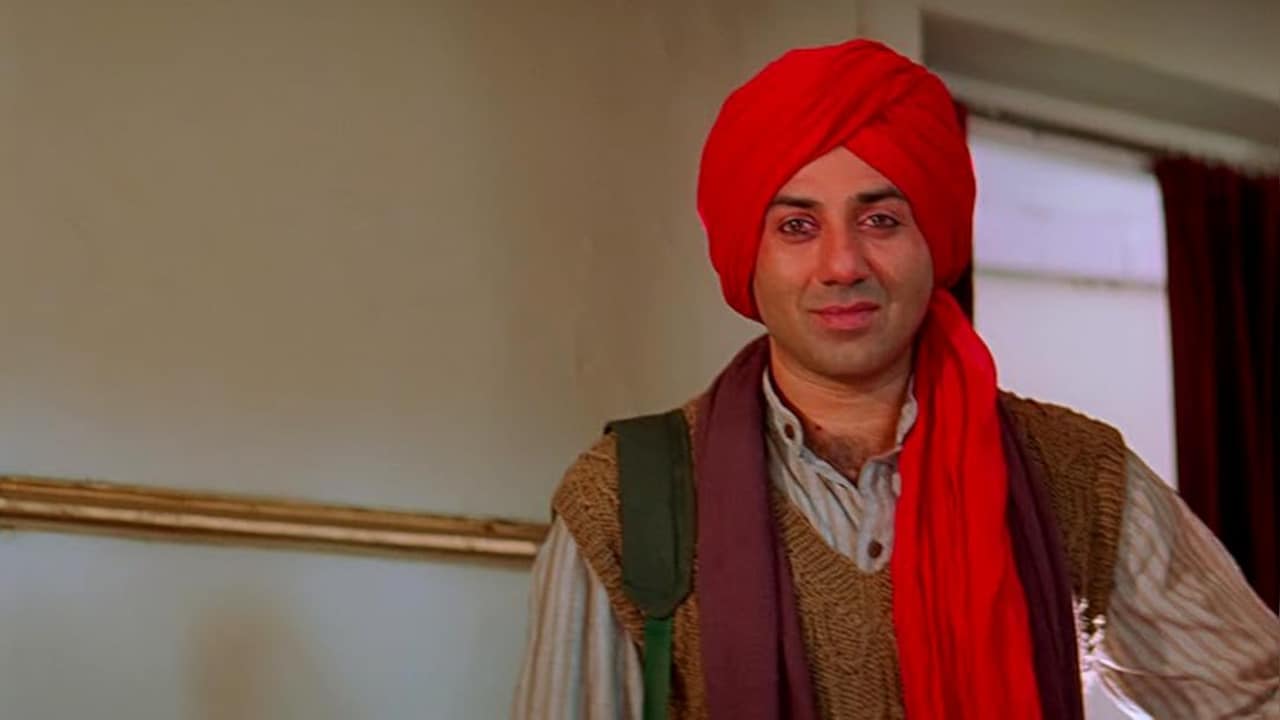
A still from Gadar.
Lagaan, meanwhile, is surprisingly gentle.
Its patriotism emerges through dignity rather than aggression. The villagers of Champaner are not trying to defeat another country. They are trying to survive. They are fighting drought, hunger, exploitation and humiliation. Their battle against the British is rooted in self-respect rather than revenge.
And perhaps that is why it feels timeless.
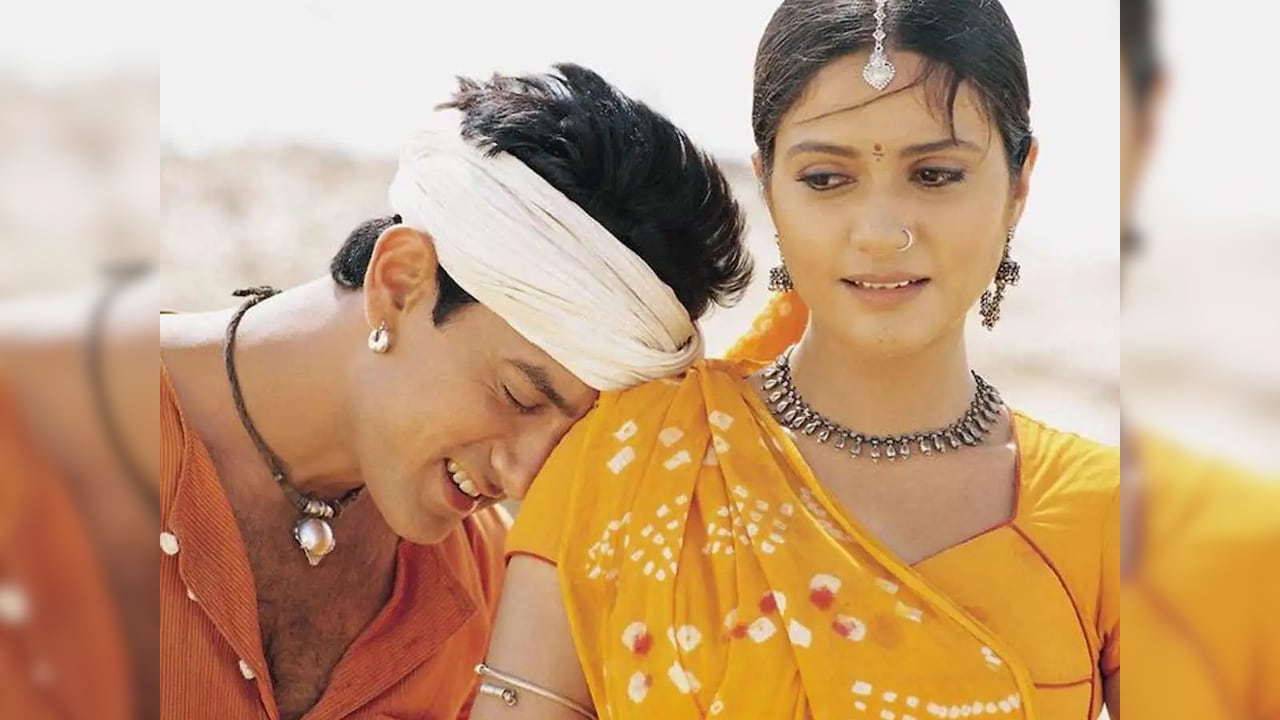
A still from Lagaan.
Even twenty-five years later, the struggles of Bhuvan and his village feel relatable. They are not superheroes. They are ordinary people attempting something impossible because they have run out of options.
That kind of patriotism aged far better for me.
Why Gadar Worked In 2001
To understand why Gadar became a phenomenon, it is important to understand the moment in which it arrived.
India had emerged from the Kargil War only two years earlier. Nationalist sentiment was high. The wounds of Partition continued to shape public memory. Audiences were hungry for larger-than-life heroes.
And Sunny Deol delivered exactly that.
The film follows Tara Singh (played by Sunny Deol), a Sikh truck driver who falls in love with Sakina (Ameesha Patel), a Muslim woman from an influential family during the Partition of India. Amid riots and bloodshed, he rescues her, protects her, marries her and builds a life with her in India.
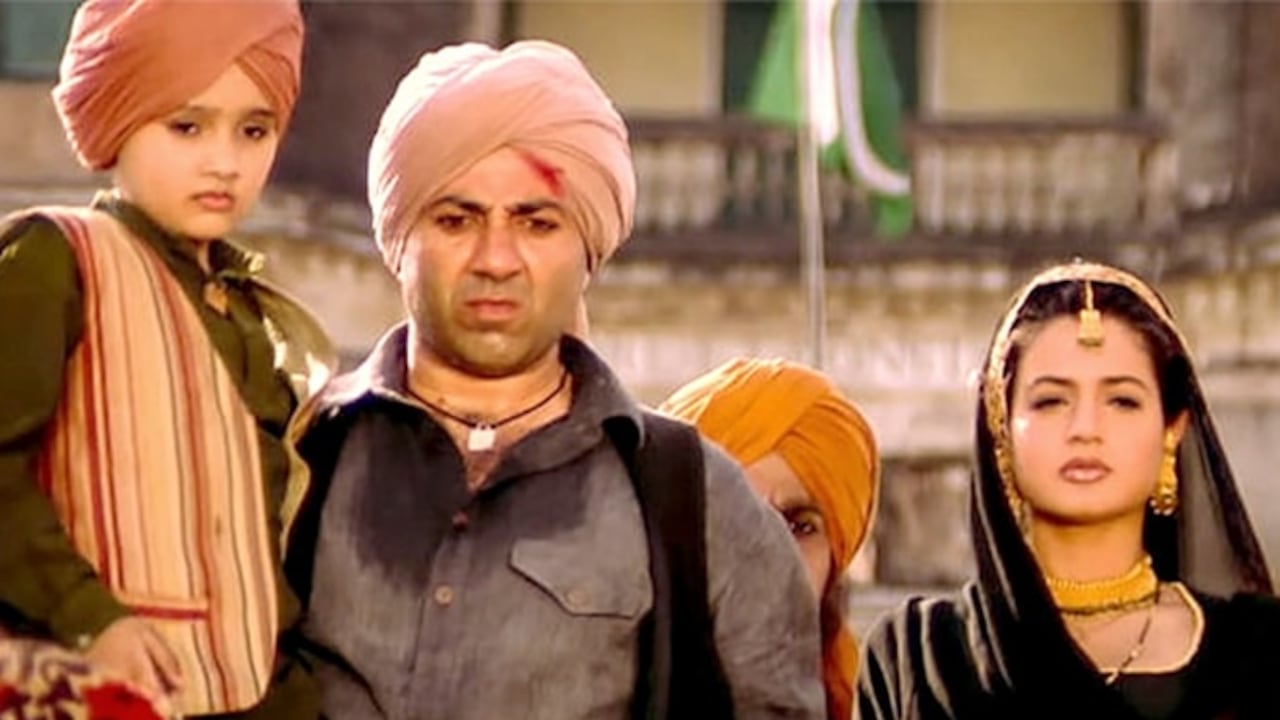
Gadar follows Tara Singh (played by Sunny Deol), a Sikh truck driver who falls in love with Sakina (Ameesha Patel).
Years later, when Sakina discovers her family is alive in Pakistan, she returns to reunite with them, only to become trapped by her father’s political ambitions and social expectations. Tara then crosses the border to bring her back.
The first half is genuinely compelling.
The depiction of Partition carries emotional weight. The violence feels tragic rather than sensational. Tara and Sakina’s romance develops naturally. Ameesha Patel is vulnerable and moving, while Sunny Deol is surprisingly restrained.
For a while, Gadar feels like a deeply personal love story unfolding against one of history’s greatest tragedies.
And then something changes.
The Moment Gadar Lost Me
The second half of Gadar transforms into something entirely different.
Logic takes a backseat.
Tara Singh stops feeling like a man and starts feeling like a comic-book superhero.
Armies appear powerless against him. Entire systems collapse before him. Action sequences become increasingly exaggerated. The film constantly demands that the audience suspend disbelief.
And perhaps that is where I struggled.
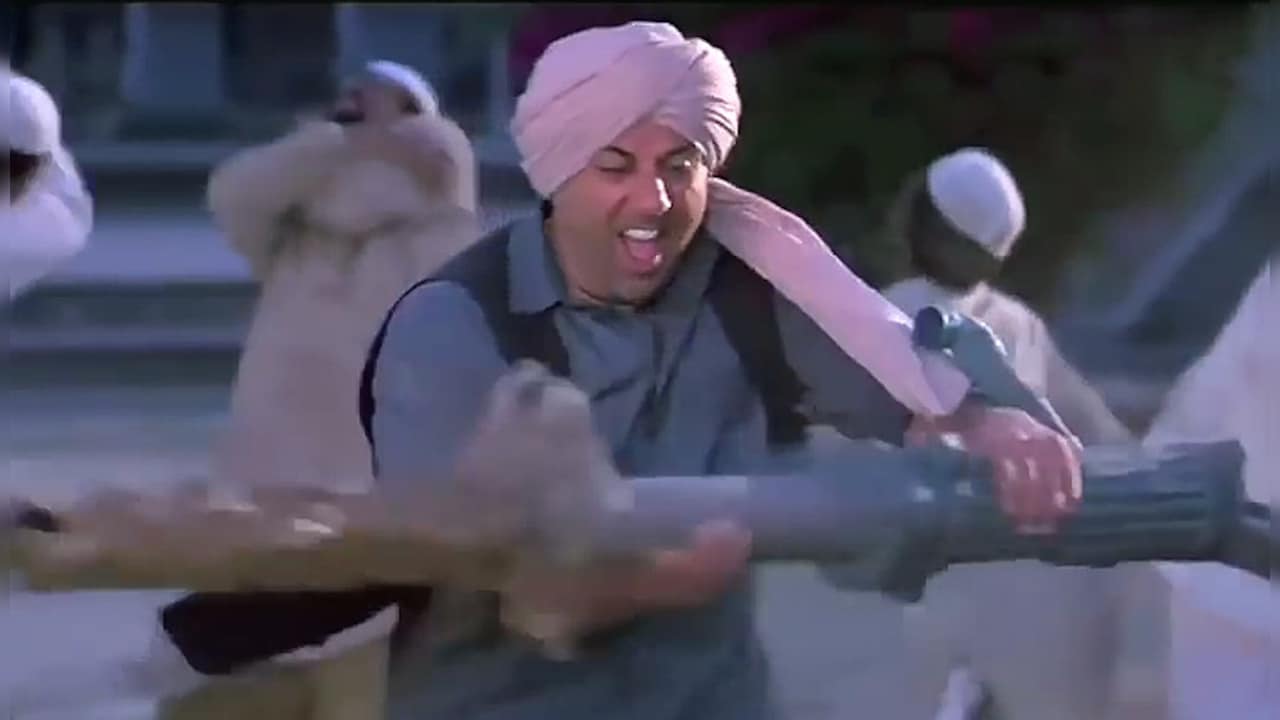
I understand why audiences cheered. I understand why theatres erupted. I understand why the handpump scene became legendary.
But as someone raised on stories that often blur the line between realism and spectacle more carefully, I found myself disconnecting from the film.
To enjoy Gadar, I had to consciously stop questioning anything. I had to switch off my analytical brain. Once I did that, the film became entertaining.
The problem was that Lagaan never asked me to do that.
Lagaan Quietly Captured My Heart
I went into Lagaan expecting a history lesson.
A three-and-a-half-hour film about colonial India and cricket sounded more like homework than entertainment.
I could not have been more wrong.
Ashutosh Gowariker’s film begins in Champaner, a drought-stricken village suffering under British rule. The villagers are unable to pay lagaan, the tax imposed upon them, because there is simply no harvest left to tax.
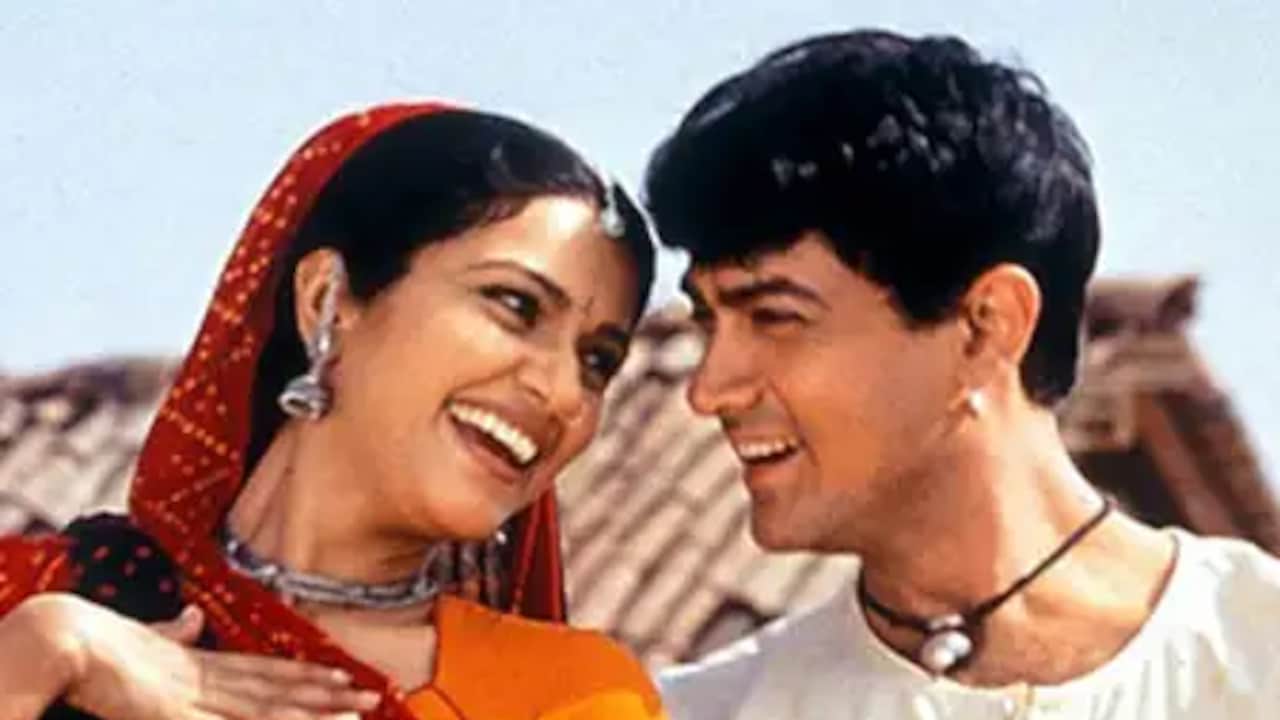
Lagaan is directed by Ashutosh Gowariker.
Then comes Captain Russell.
Cruel, arrogant and deeply racist, he challenges Bhuvan to a cricket match. If the villagers win, their taxes will be waived for three years. If they lose, the taxes will triple.
What follows should not work on paper.
A sports drama. A colonial drama. A musical. A romance. A social commentary on caste. A critique of imperialism. A story about religion and community.
Yet somehow, Lagaan blends all of it seamlessly.
A Village That Feels Alive
The greatest achievement of Lagaan is not the cricket match. It is Champaner.
The village breathes. Every character matters.
The villagers are flawed, stubborn, frightened and often prejudiced. They argue. They doubt one another. They make mistakes. But they feel real.
The film spends so much time building its community that by the time the cricket match begins, you are no longer supporting eleven players. You are supporting an entire village.
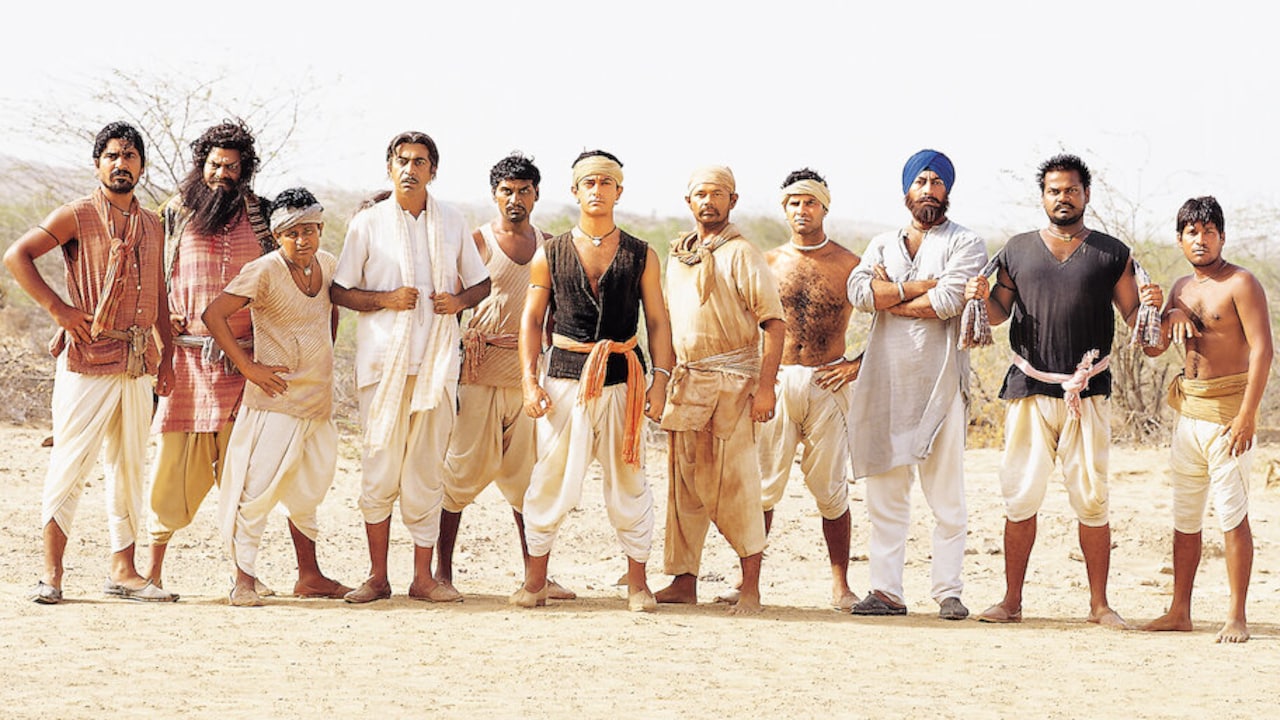
The greatest achievement of Lagaan is the village Champaner.
One of the most powerful moments arrives when Bhuvan insists on including Kachra, an untouchable villager ostracised because of his caste, in the team.
Twenty-five years later, that scene remains startlingly relevant.
The film does not merely challenge colonial oppression. It also forces Indians to confront their own prejudices. That complexity is what elevates it.
The Music Doesn’t Interrupt The Story. It Becomes The Story
Modern audiences often complain about long musical sequences. Yet in Lagaan, the songs feel inseparable from the narrative.
Ghanan Ghanan captures collective hope. Radha Kaise Na Jale deepens relationships. O Paalanhaare becomes a prayer.
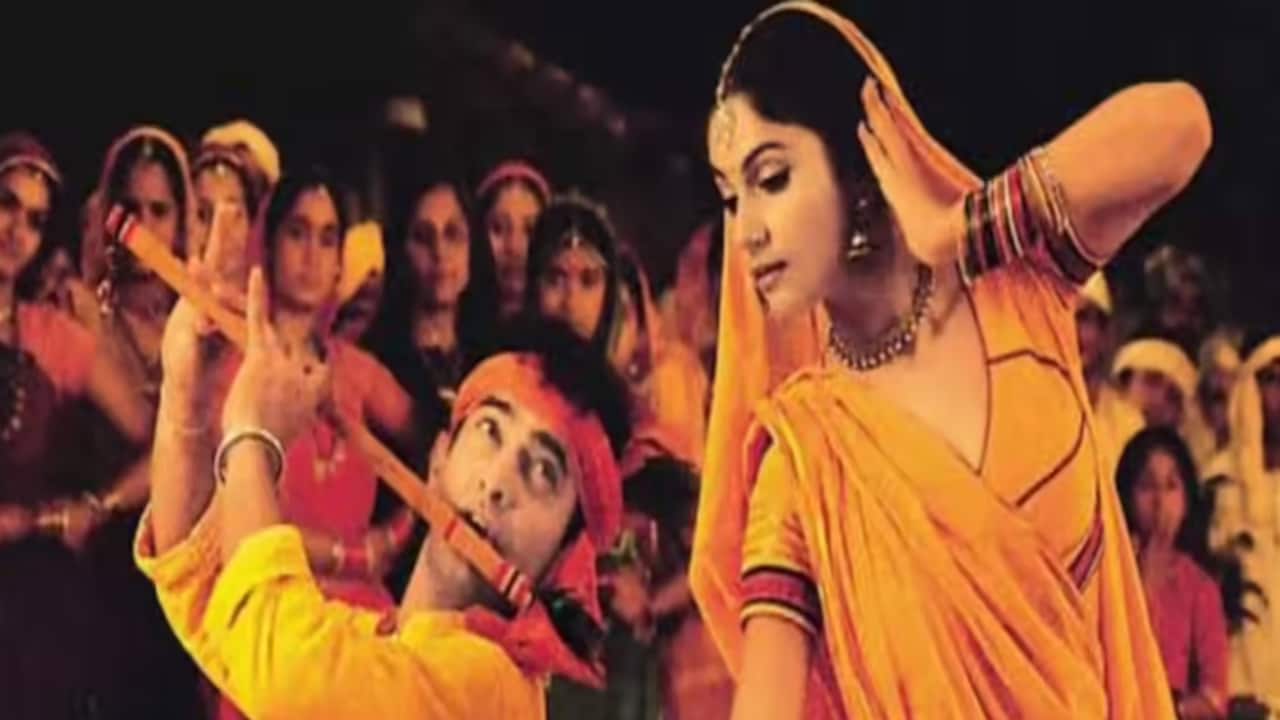
A still from Radha Kaise Na Jale.
The songs are not distractions. They are emotional chapters. Even after the film ended, those melodies lingered. Few movies manage that.
The Final Match Is A Masterclass In Storytelling
I knew the outcome before the match started. Almost everyone does. And yet I was still nervous.
That is the magic of great filmmaking.
Every wicket matters. Every run matters. Every setback hurts.
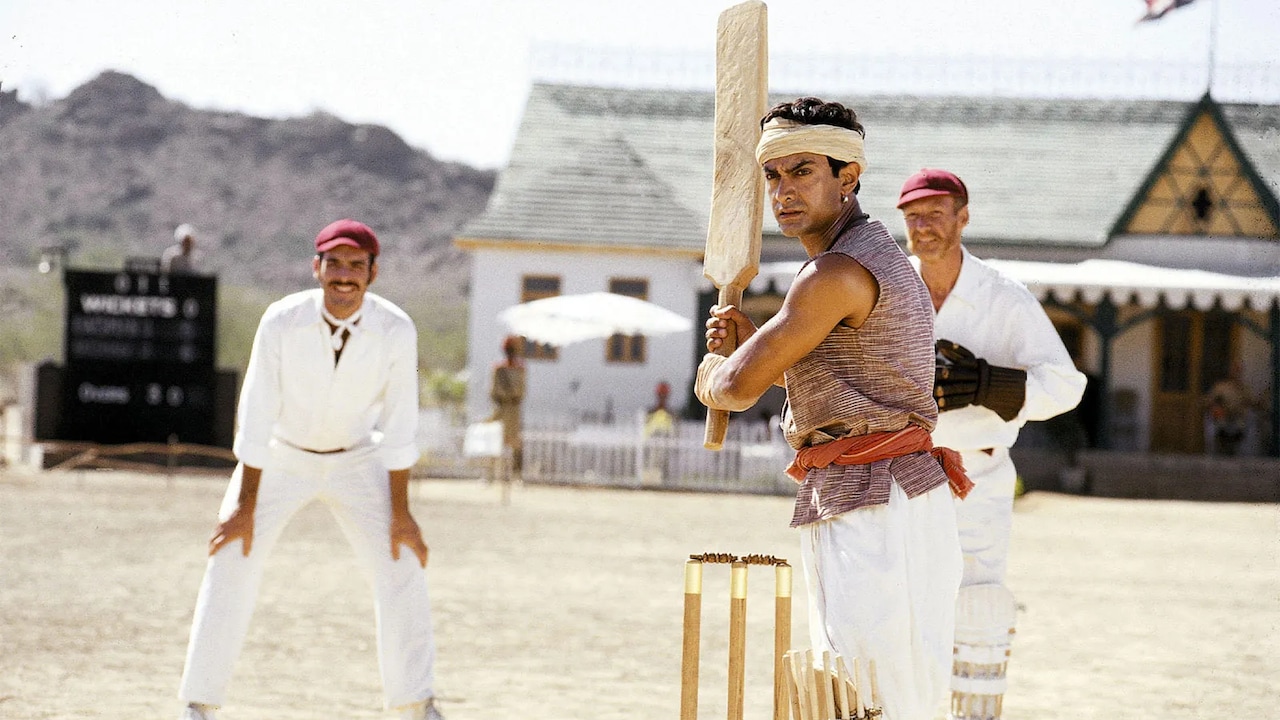
A still from Lagaan.
By the final overs, I was leaning forward, whispering encouragement to characters created twenty-five years ago.
The cricket match is not merely a sporting event. It becomes a battle for dignity, equality, self-respect and survival. When the rain finally arrives, it feels earned.
Not because the script demands it. Because the audience has suffered alongside the villagers long enough to deserve it.
Why Lagaan Deserved The Oscar Nomination
Watching both films back-to-back made one thing very clear.
I finally understood why Lagaan became the film that represented India at the Academy Awards.
No, it did not receive the same box-office numbers as Gadar. No, it did not generate the same hysteria.
But it translated universally.
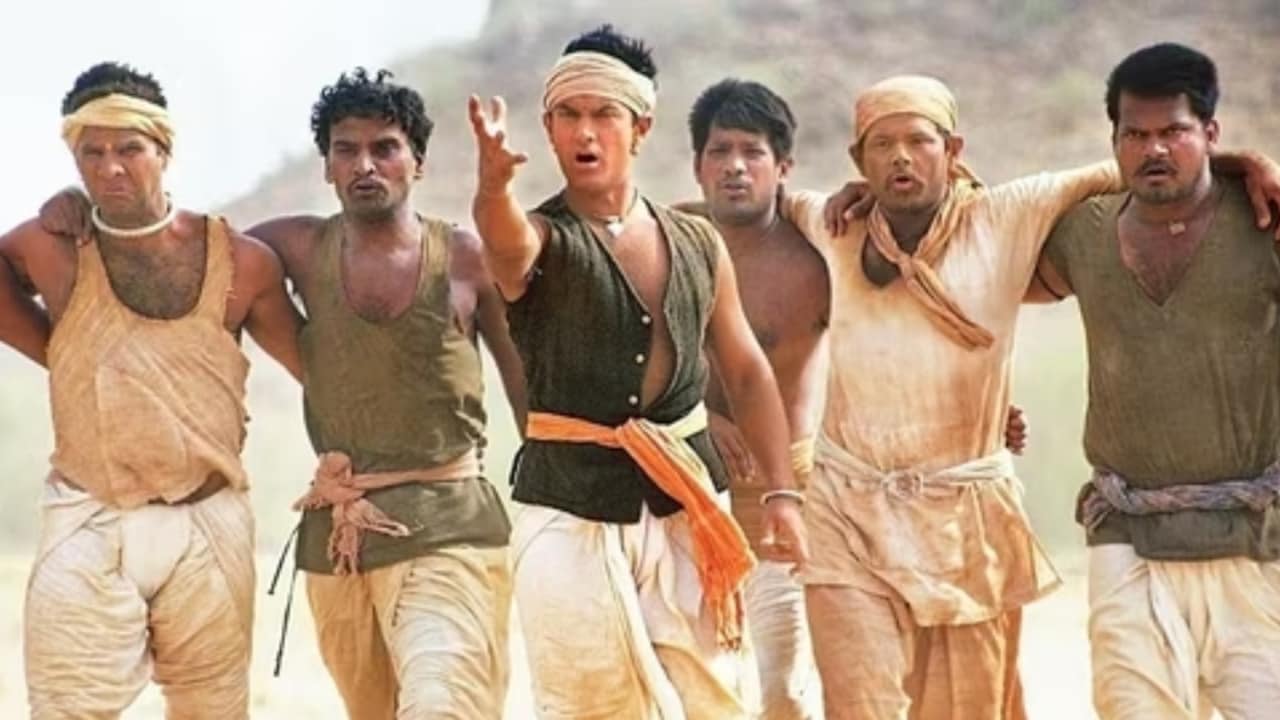
A still from Lagaan.
You do not need to be Indian to understand oppression. You do not need to understand cricket to understand underdogs. You do not need knowledge of colonial history to connect with hope, resilience and community.
The film speaks a language larger than nationality. That is extraordinarily difficult to achieve.
Twenty-Five Years Later, My Winner Is Clear
When both films released in June 2001, audiences overwhelmingly chose Gadar. And honestly, they had every reason to.
It was bigger. Louder. More explosive. More immediately gratifying.
But twenty-five years later, watching them for the first time as a Gen Z viewer, my heart belongs to Lagaan.
Gadar entertained me. Lagaan moved me. Gadar gave me moments. Lagaan gave me people I cared about. Gadar asked me to suspend disbelief. Lagaan earned my belief.
And perhaps that is the simplest way to explain the difference.
Twenty-five years later, both films remain important pieces of Hindi cinema history. But if I had to choose the one that still feels alive, relevant and capable of moving a first-time Gen- Z viewer in 2026, my answer is simple:
Lagaan wins. And it isn’t even close.



