


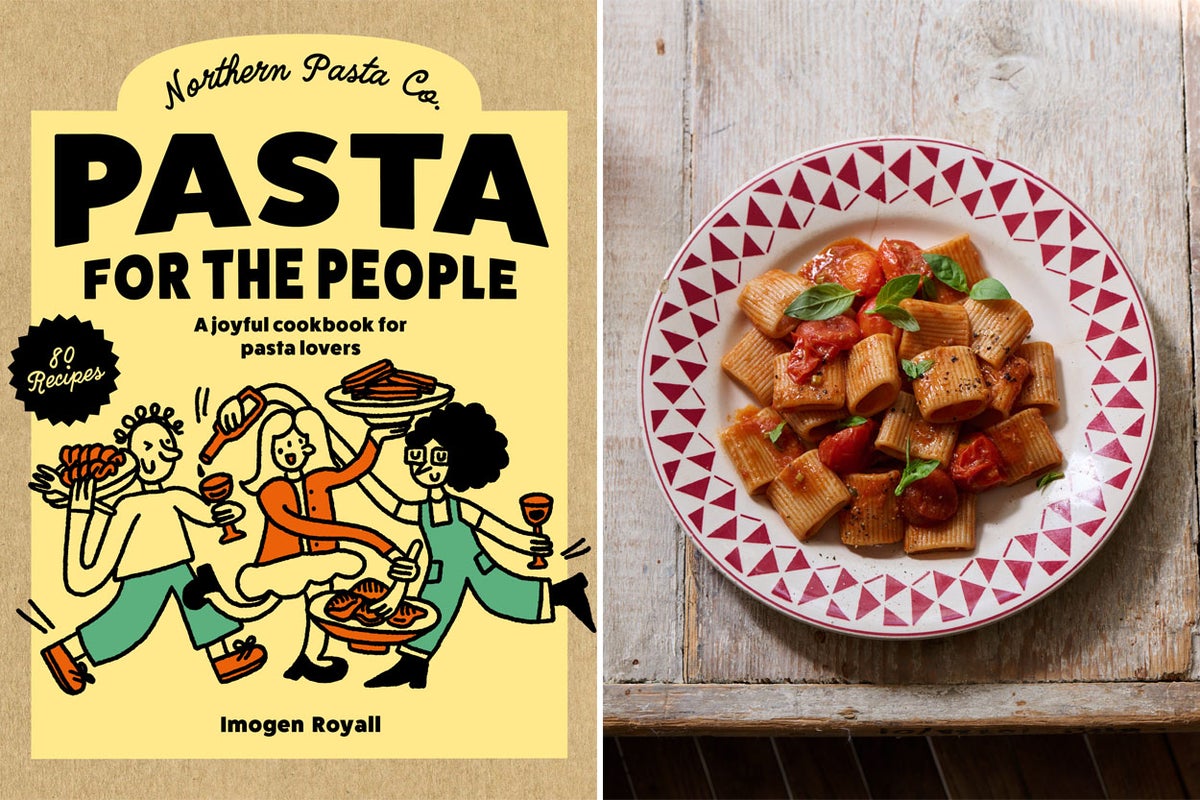
Most people don’t spend much time thinking about where their pasta comes from. It appears in the cupboard, gets boiled for 10 minutes and, if all goes well, ends up covered in enough sauce to justify a second helping.
Imogen Royall couldn’t stop thinking about it.
While working at an artisan bakery in Cumbria, she became fascinated by British grains and the farmers growing them. Then one day she found herself standing in front of the pasta shelves at the supermarket.
“Wandering the supermarket aisles, I found myself staring at the pasta section,” she writes in Pasta for the People. “It was pretty stagnant – no different to how it had looked when I was a kid.”
This was during a period when supply chains were creaking and imported food was becoming harder to come by. Looking at the shelves, Royall found herself asking a simple question: “Why [are] these incredible British grains that I’d discovered while working at the bakery [not] being used to make pasta?”
It’s the sort of thing most of us might wonder for all of 15 seconds before buying a packet of fusilli and getting on with our day. Royall and her husband Matt went rather further. They started making pasta at home before teaming up with “a dedicated farmer and miller to create a pasta recipe that truly honours British spelt, the land it’s grown on, and the meals we share around the table”.
That experiment eventually became Northern Pasta Co, the Lake District business built around British-grown spelt. The grain is hardy, naturally nutty and, according to the company, grown using regenerative farming methods designed to improve soil health, biodiversity and resilience. Their pasta is made using traditional Italian techniques, passed through bronze dies for a rougher texture and slow-dried to develop flavour.
Thankfully, Pasta for the People isn’t one of those books that spends 200 pages lecturing readers about agriculture before allowing them near a saucepan. The farming story matters, but the real point is pleasure. “Our goal?” write the Royalls. “To take pasta from a last-minute dinner to a mindful, nourishing and joy-filled experience.”
The recipes are built around that idea. Some are quick enough for a Tuesday night, others a little more leisurely, but all are rooted in the belief that pasta is more than a vehicle for whatever jar happens to be lurking in the back of the fridge. “Pasta is a vessel for flavour,” the authors write. “And flavour comes from cultures, traditions and people’s stories.”
The three recipes below offer a good introduction to that way of thinking: a burrata and asparagus pesto casarecce that feels like spring finally getting its act together, a pesto and potato fusilli that borrows from Liguria before heading off in its own direction, and a speedy cherry tomato rigatoni for those evenings when dinner needs to happen now rather than three hours from now.
Or, as the Royalls put it: “Food is about people. It gives us an opportunity to learn, to connect, to indulge.” That’s a lot to ask of a bowl of pasta. Then again, the best ones tend to deliver.
How to cook our pasta
There is a way to cook pasta to get the most out of it.
Use a very large pan. Fill it with boiling water. Salt your water well (this will season your pasta). You want it as salty as the sea! Add your pasta when the water is on a rolling boil and immediately stir. Stir every now and then while it’s cooking to prevent any sticking.
Taste regularly. Pasta will cook at slightly different speeds depending on size of pan, temperature of water, etc. To make sure you get the perfect bite, check it a few minutes before the end. Reserve a cupful of the pasta water and now drain your pasta. Pasta water can be added to sauce to make it silky smooth; it helps the sauce cling to the pasta, and it loosens any sauce that has become too thick.
Burrata and asparagus pesto casarecce
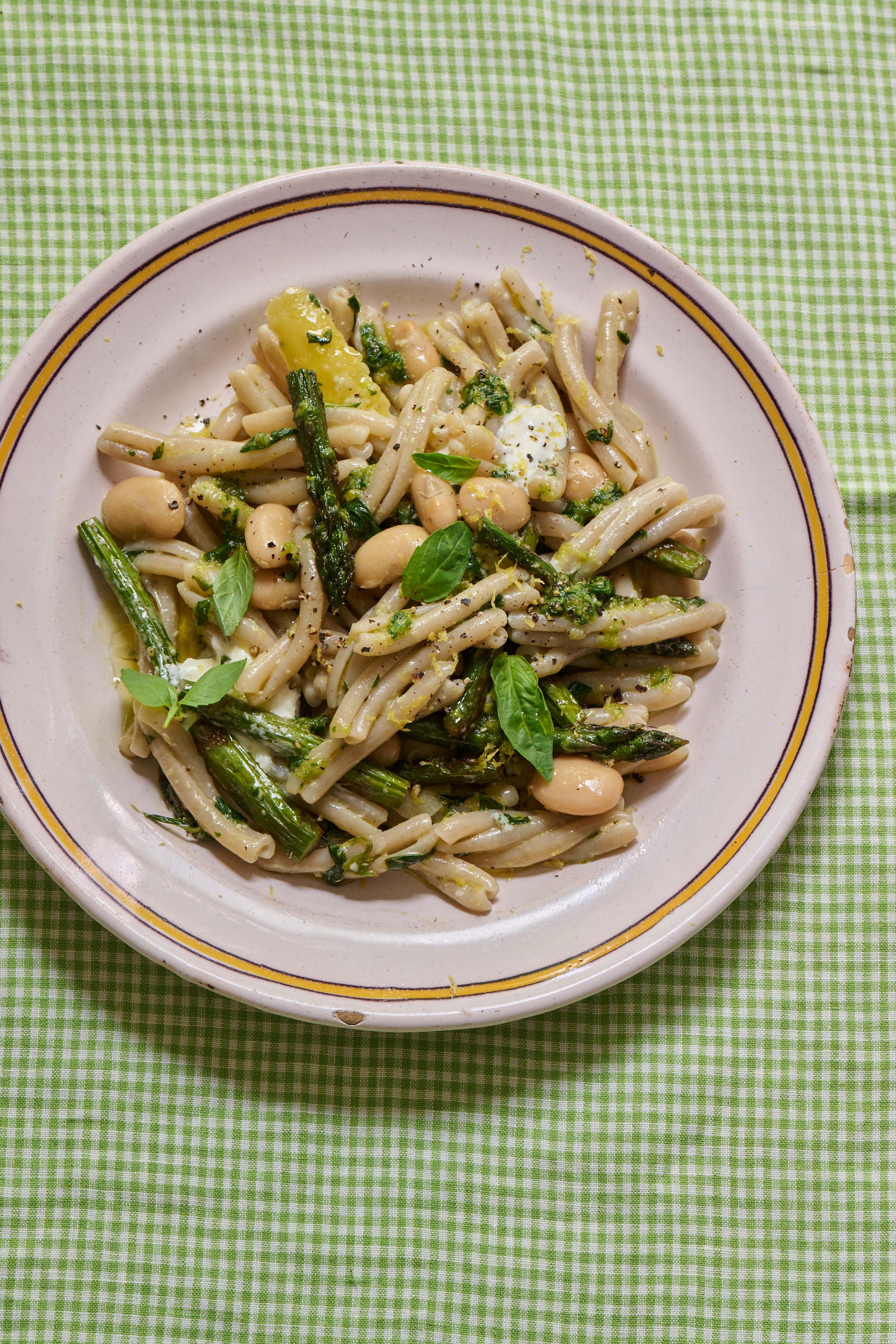
This dish is spring in a bowl with fresh asparagus, creamy burrata, and a bright hit of pesto. It’s one of those recipes that feels simple but delivers so much comfort. The buttery beans give it heart, while the lemon and basil keep things light and zingy.
Serves: 2
Time: 30 minutes
Ingredients:
160g (5½ oz) casarecce
Olive oil, for frying
Small bunch of asparagus, trimmed and cut into 5cm (2in) pieces
2 strips of peel and remaining zest of
1 lemon
2 garlic cloves, finely sliced
200g (7oz) butter (lima) beans, drained and rinsed
2 tablespoons pesto, plus extra for drizzling
1 x 150g (5½ oz) burrata
Salt and freshly ground black pepper
Handful of basil, leaves picked and chopped, to serve
Method:
1. Cook your pasta (see above).
2. While it’s cooking, heat 1 teaspoon of olive oil in a large frying pan over medium-high heat. Add the asparagus and cook for about 8-10 minutes, turning occasionally, until nicely charred and just tender. Remove and set aside.
3. In the same pan, reduce the heat to medium. Add a generous glug of olive oil, the lemon peel, and sliced garlic. Cook gently for 1-2 minutes, until fragrant but not browned.
4. Lower the heat and stir in the butter beans, coating them well in the infused oil. Add the pesto and return the asparagus to the pan. Stir gently to combine. Season generously with pepper.
5. Add the drained pasta to the pan (reserving some of the pasta water) and toss to coat in the pesto and bean mixture. Use the reserved pasta water a little at a time to loosen the sauce if needed.
6. Tear the burrata into pieces and gently fold it through the warm pasta until just starting to melt.
7. Divide between bowls. Top with a drizzle of pesto, a scattering of lemon zest, and some fresh chopped basil
Tip: Swap asparagus for other greens: Brussels sprouts, sprouting broccoli or green beans
Pesto and potato fusilli
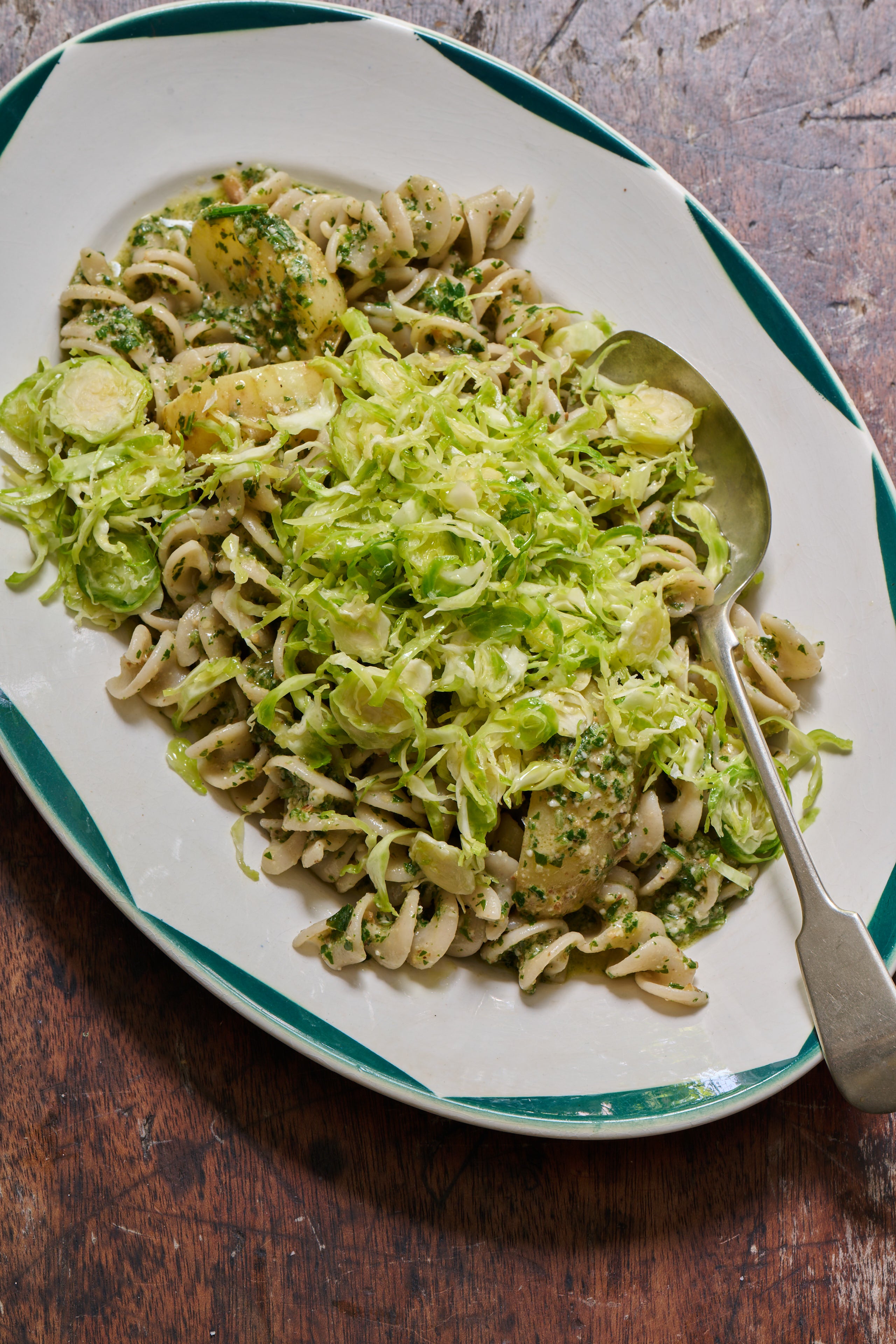
A bit of a riff on the Ligurian pasta dish, which uses trofie and green beans. I use walnuts and shredded Brussels as they add a different dimension. The crunchy fresh sprouts are a great foil for the warm carbs. You can also add chickpeas or white beans to take the dish in another direction.
Serves: 4
Time: 30 minutes
Ingredients:
100g (3½ oz) flat leaf parsley, stalks and all
300g (10½ oz) new potatoes, cleaned, and larger ones halved or quartered
50g (1¾ oz) walnut halves
125ml (1/2 cup) extra virgin olive oil, plus extra for drizzling
100g (3½ oz) hard sheeps’ or goats’ cheese
Zest and juice of 2 lemons
300g (10½ oz) Brussels sprouts, trimmed and finely shredded
320g (11oz) fusilli
Salt and freshly ground black pepper
To serve:
Sea salt flakes
Chilli flakes
Method:
1. Preheat the oven to 200C/400F/gas 6.
2. Bring a saucepan of water (large enough for the potatoes) to a simmer. Add the parsley and blanch for 2 minutes. Strain and set aside in an ice bath. Put the potatoes into the pan to cook.
3. Toast the walnuts in the oven for 8-12 minutes until just golden. Leave to cool slightly. Then add to a blender with the olive oil, cheese, the zest and juice of 1 lemon and the blanched parsley. Blitz until combined but don’t go crazy – some texture is good.
4. Mix the shredded Brussels with the remaining lemon zest and juice, along with a good pinch of salt, some pepper and a slug of olive oil. Set aside.
5. When a knife nearly goes through the potatoes cook the pasta. Drain both when ready and combine. Stir in the pesto and serve topped with the Brussels and a sprinkling of sea salt and chilli flakes.
Speedy cherry tomato rigatoni
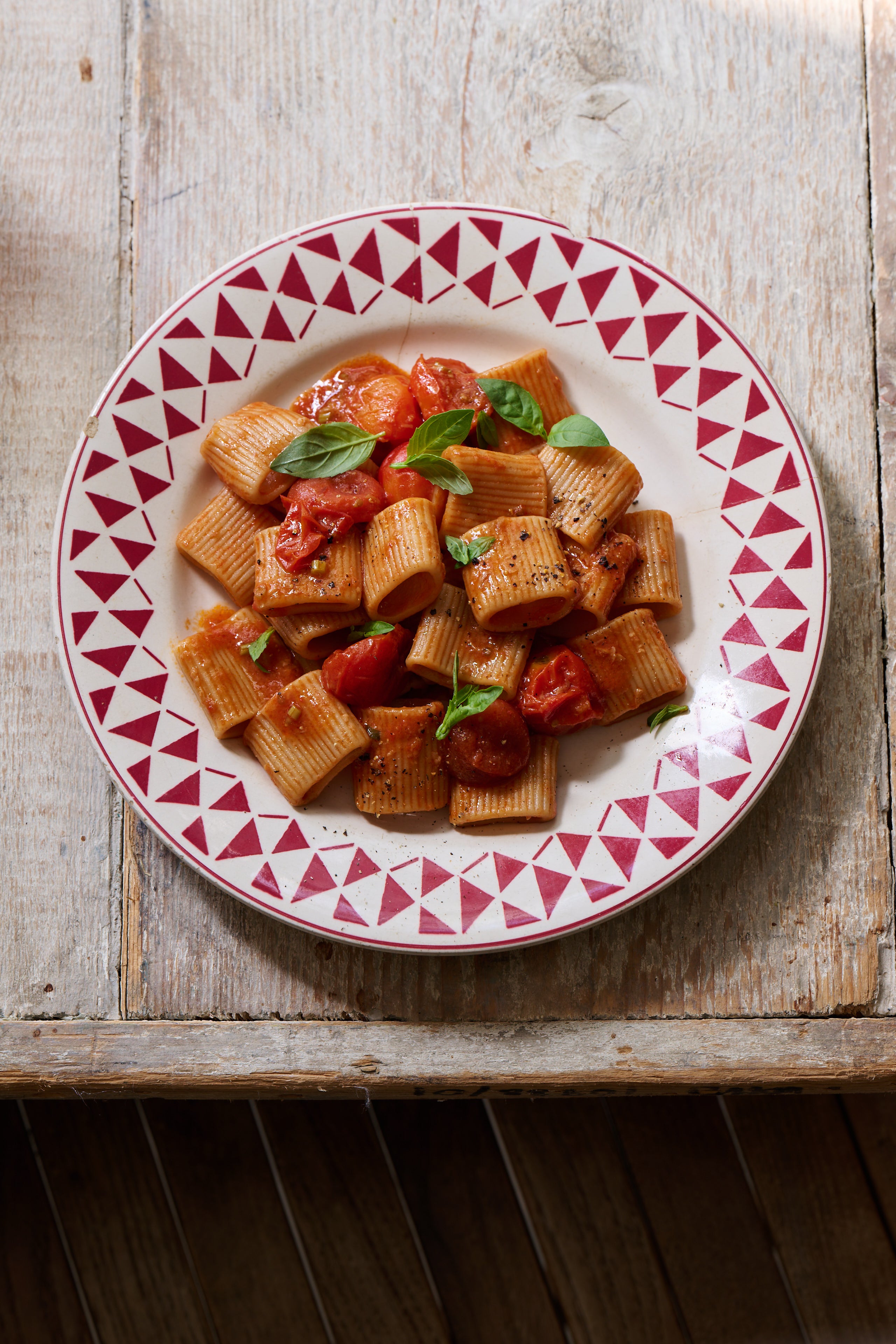
“My mum’s tomato sauce is incredible; she starts at 7am and fills the house with roasting onions and garlic until late afternoon. I don’t want to be at the stove all day, so this easy cherry tomato pasta with garlic, basil and chilli flakes is on the table in 20 minutes.”
Serves: 2-4
Time: 20 minutes
Ingredients:
300g (10½ oz) cherry tomatoes
3 tbsp extra virgin olive oil
2 garlic cloves, finely grated (minced)
4 basil sprigs, tender stems chopped, leaves picked
¼ tsp chilli flakes
1 tbsp tomato purée
80g (23/4oz) rigatoni per person
20g (3/4oz) Parmesan (or any other alternative)
Salt and freshly ground black pepper
Method:
1. Slice half of the cherry tomatoes, leaving the rest of them whole.
2. Warm the olive oil in a saucepan over a medium heat. Once the oil is warm, but not burning, add the tomatoes and cook for 5-7 minutes, stirring often, until they have lost some of their shape. Add the garlic, basil stems and chilli flakes. Stir to combine and cook for 1 minute before stirring in the tomato purée. Cook for a further minute, then season with salt and pepper. Remove from the heat.
3. Meanwhile, cook the rigatoni. Drain the pasta, reserving 5 tablespoons of the cooking water.
4. Return the tomatoes to a low heat, add the rigatoni and stir in 1 tablespoon of the reserved pasta cooking water at a time until the sauce clings to the pasta. Grate in Parmesan cheese as you go, tossing in between each addition.
5. Serve the pasta hot, divided into bowls, topped with the torn basil leaves.
Tip: If you want to elevate the dish, make my pangrattato. Blitz stale bread in a food processor until a fine crumb. Tip into a hot frying pan and toast for 2 minutes then coat with a generous glug of olive oil and cook, stirring occasionally, for 5 minutes until lightly golden. Add a pinch of salt, black pepper, lemon zest and fresh herbs to finish.
For more information about Northern Pasta Co, its British-grown spelt pasta and Pasta for the People, visit Northern Pasta Co. The cookbook (£20) is available now and features recipes from the Royalls alongside contributions from chefs and food creators, all built around British-grown grains and sauce-loving pasta shapes.



