


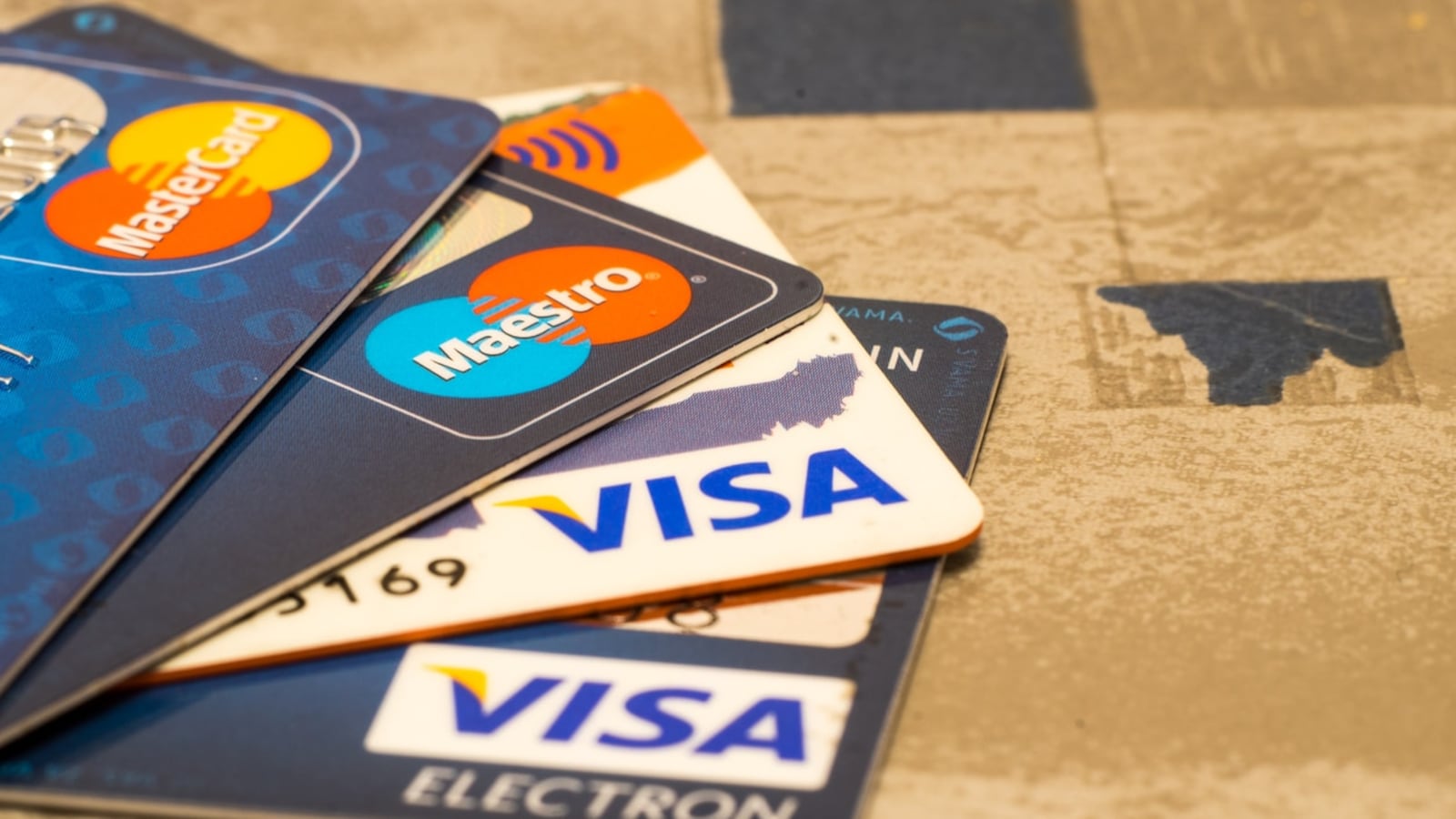
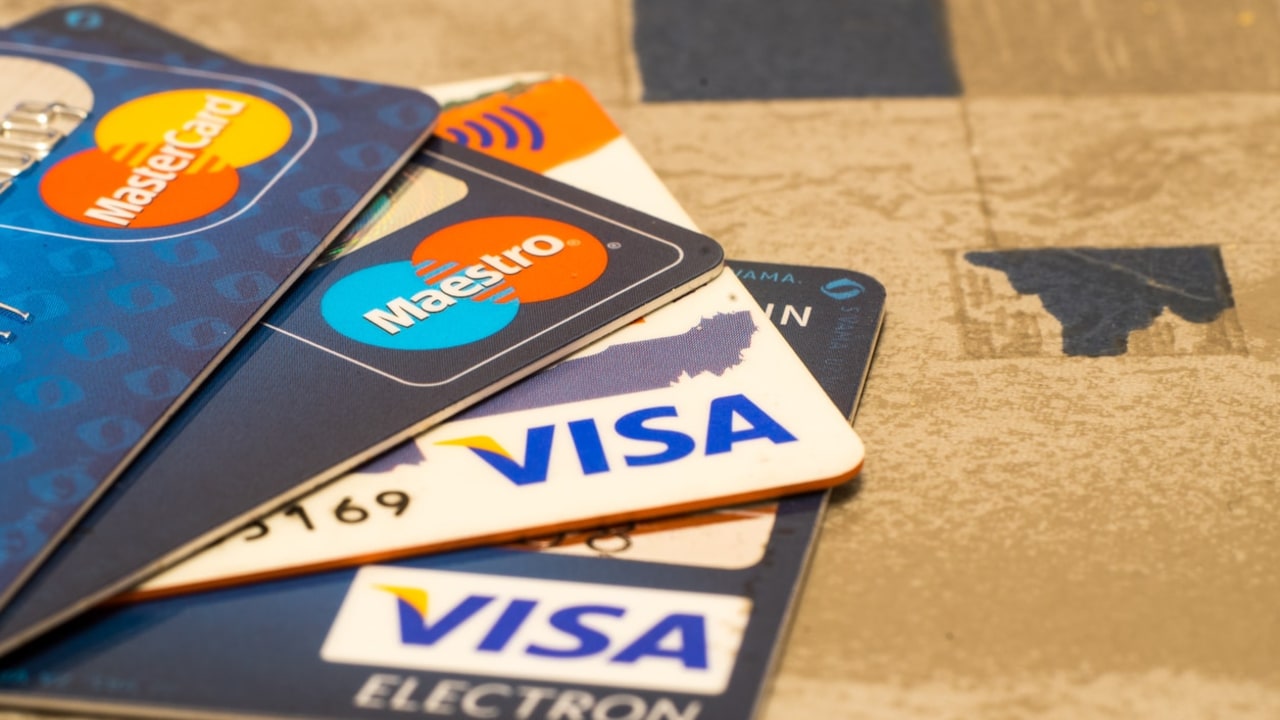
Are you one of those people who plan credit card reward points redemptions like a mini-strategy game? I’ve become that person over the last couple of years. My wife and I saved more than Rs 1 lakh on our trips last year. That was worth it, but it comes with a psychological cost.
Understanding that cost is important because it is difficult to stop optimising once you get these benefits. Should you get another card? Chase a milestone? Transfer points today or wait for a bonus? Every purchase, then, begins to feel like a puzzle, and as expected, in most cases, you spend a lot more than you intended in the first place – just to hit that milestone.
Lately, Instagram is filled with credit card hacks, and Reddit communities dissect every programme update. Some people have even turned this into a full-time profession. The obvious question is: why are people becoming so obsessed with reward points? The answer lies somewhere between neuroscience, behavioural economics and bank strategy.
The Brain Loves The Credit Card Logo
An fMRI study by Banker, Dunfield, Huang, and Prelec found that credit card purchases trigger something in the brain even before the transaction begins. It activates the striatum — a critical component of the brain that controls motor, reward, and executive function. Strangely, this activation begins at the moment the credit card logo appears, not when the product is seen or the price is evaluated. This result is supported by the work of Robert Sapolsky, a neurobiologist, who shows that dopamine spikes more during the anticipation of a reward than upon receiving it.
But that’s not just it. We get a psychological lift four times. First, when we wait, plan and anticipate the points. Second, when we actually earn them, then, while planning a redemption and lastly, when we actually redeem those points. On the contrary, the cash transaction can hit dopamine only once.
One of the main features of such transactions is that our brain perceives points like gifts, and not discounts. Therefore, our reaction towards optimising them is quite different from the discounts we get on e-commerce platforms.
Banks Want Us To Spend More
A recent randomised controlled trial involving nearly 3,000 customers of a major Chinese bank adds another layer to the story. Some customers were randomly upgraded from ordinary cards to Gold or Platinum cards that offered generous travel rewards.
The expectation was straightforward: people would spend slightly more in reward-earning categories. Customers predicted their monthly spending would rise by $5. However, they spent $112 more. Of that, only $12 was in reward-earning categories. The remaining $100 flowed into complementary expenses such as taxi rides, meals and shopping, most of which earned little or no rewards.
Tianyu Han, the researcher, calls this phenomenon ‘complementarity ignorance’. It also finds that consumers with lower income and credit-scores are more prone to complementarity ignorance. This also explains why banks design reward programmes the way they do. They can give generous rewards when most consumers are naïve.
For a while, India was in exactly that phase. The years around the pandemic were a golden period for credit card rewards. Complimentary lounge access was common, even on entry-level cards, and banks offered generous benefits to attract new customers. But things have changed.
More consumers now understand how to maximise rewards, making these programmes more expensive for banks. According to SaveSage, in 2025, 32% of all reward points in India were redeemed for flights, overtaking cashback for the first time. This shows the changing landscape of the rewards programme in India.
ALSO READ | Your Bank Wants To Raise Your Credit Card Limit. Should You Agree Or Is It A Trap?
Final Take
There is a tug of war between consumers and banks. When consumers get better at the game, banks make the game difficult, then experts try to help consumers, and the cycle continues.
None of this means you shouldn’t optimise your credit cards. I certainly do. But we have also realised that every optimisation comes with a cost. We drew a line after getting four credit cards, of which we actively use only three. We also never got deep into airline miles because we usually book the cheapest flight available, and if it’s not available, we change the destination. But I must admit we got an Air India reward flight from Bengaluru to Mumbai recently, and it felt really good.
The main takeaway is that beyond a point, you’re spending time, mental bandwidth, and even money on unnecessary things to get those rewards. That’s when it’s probably worth asking whether you’re still playing the game — or whether the game has started playing you. Anyway, that’s a note to all of us, and most importantly, for me. If you catch us applying for a fifth credit card, please send me this article.
Disclaimer: The views expressed in this article are solely those of the author and do not necessarily reflect the opinion of NDTV Profit or its affiliates. Readers are advised to conduct their own research or consult a qualified professional before making any investment or business decisions. NDTV Profit does not guarantee the accuracy, completeness, or reliability of the information presented in this article.
Essential Business Intelligence,
Sharp Market Insights,
Practical Personal Finance Advice, Daily Fuel, Gold and Silver Prices and Latest Stories — On NDTV Profit.



