


Tehran:
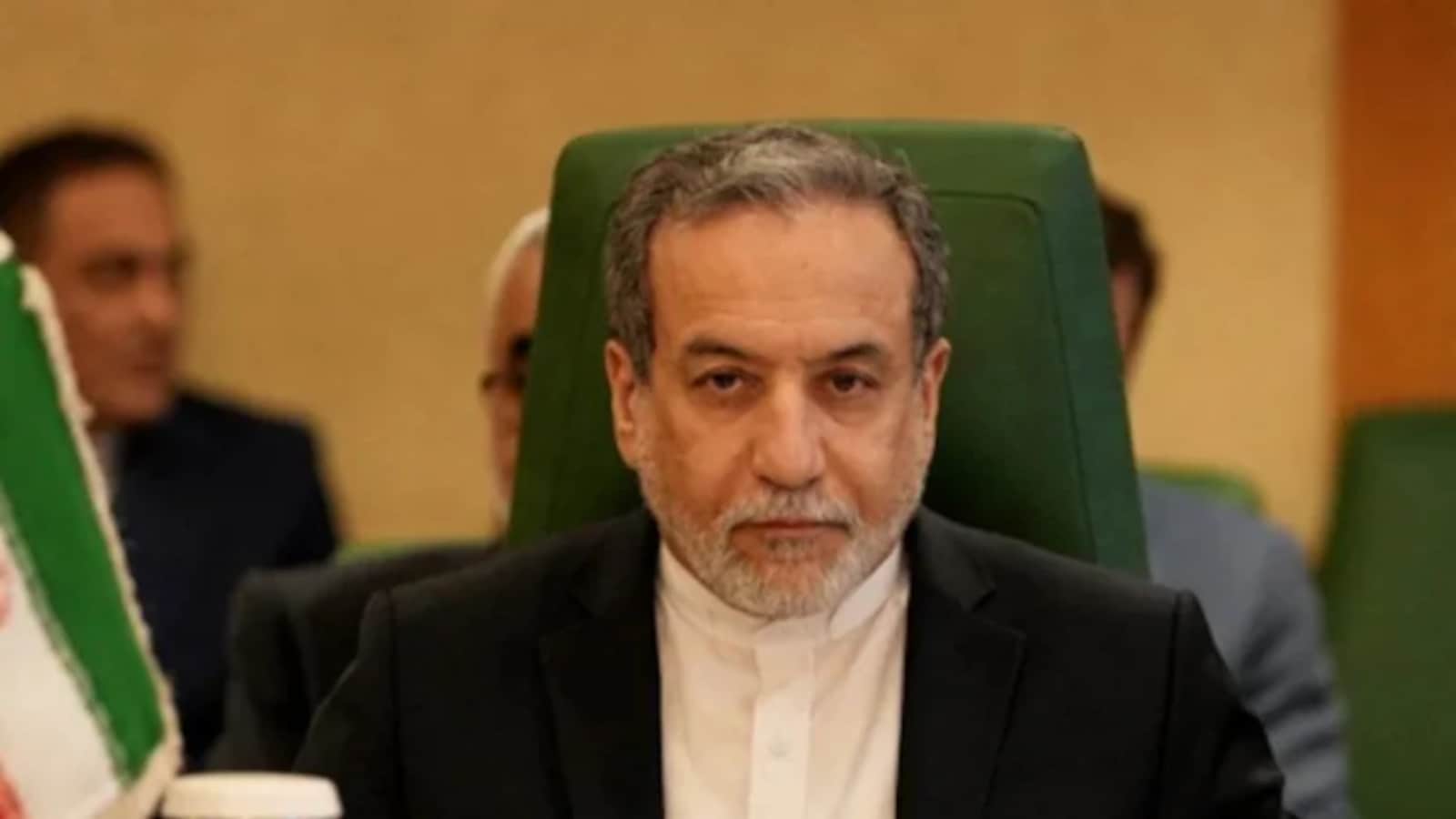
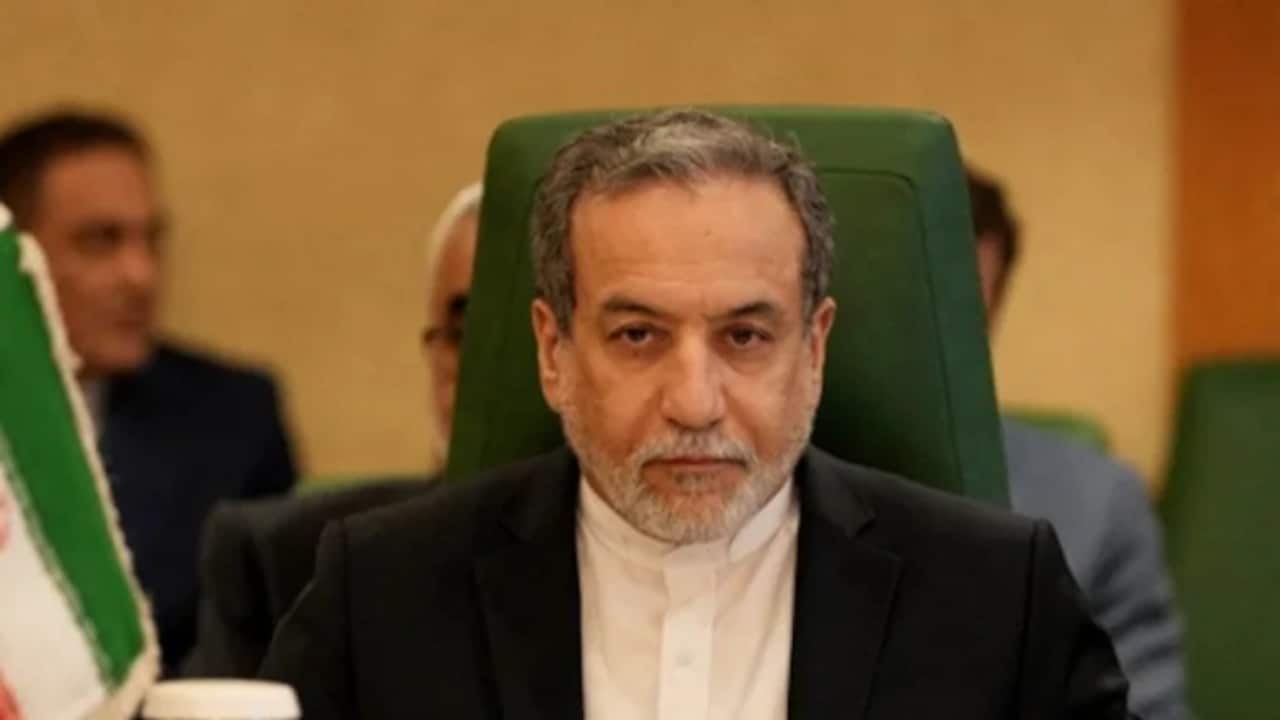
Iran’s foreign minister, Abbas Araghchi, has spoken about the constant danger faced by the Iranian negotiators during peace talks with the United States. Araghchi recounted a conversation with US President Donald Trump’s Middle East envoy, Steve Witkoff, where he told him about how American and Israeli threats have created a hostile environment for Tehran’s negotiators.
“I asked Witkoff, have you ever been in a meeting where at any moment you think the whole meeting might be bombed? Have you ever been on the phone while you’re talking? You might, as they say, explode or be destroyed. Have you ever, for example, while checking in on your family over the phone, thought to yourself this might be the last time?” the Iranian foreign minister, who is also one of the top negotiators in the Islamic regime, recalled during an interview with Mehr News Agency.
On Iran’s Defiance
Araghchi said that despite the constant threats, Tehran refused to back down.
“In response to the illegal and unreasonable demand for zero enrichment, we resisted and stood firm. When they saw that they couldn’t achieve what they wanted through negotiations, they started the war,” he said, in an interview also aired by RT news.
‘I asked Witkoff, have you ever been in a meeting where there was a chance of being BOMBED at any moment?’
Araghchi adds Iran wasn’t scared by US threats:
‘This isn’t Venezuela where you take 1 person and everyone else gets scared and backs down’ https://t.co/f8tvFK1SN4 pic.twitter.com/Selj3ZY1a0
— RT Intl (@RT_on_X) July 19, 2026
“You have to talk. You can’t threaten us, and you can’t bribe us.”
The Iranian minister noted that the US first established contact with Tehran for nuclear negotiations last year and has since then continued communicating intermittently. He claimed Tehran’s steadfastness at the negotiating table forced the US and Israel to choose the harder path.
“They were defeated in the 12-day war,” he said, adding Iran wasn’t scared of US threats.
‘Iran Is Not Venezuela’
Araghchi also rejected Washington’s claims that Iran could be forced into submission through military pressure. Drawing comparisons with Venezuela, where the US forced regime change with the capture of President Nicolas Maduro during a military operation in January, he stressed that Tehran doesn’t have a single power system and removal of one leader won’t force the collapse of the Islamic republic.
“This isn’t Venezuela where you take one person and everyone else gets scared and backs down,” he said, referring to Tehran’s mosaic power model, which diversifies the decision-making process under the unified leadership.
US-Iran War
The Iranian leader’s comments came at a time when the ceasefire brokered between Washington and Tehran has effectively broken down. US forces struck Iran for a ninth consecutive day on Monday as the number of confirmed American military deaths in the renewed fighting rose to three and concerns grew over shipping through the Strait of Hormuz.
In a statement, US Central Command said it started “a new wave of strikes” aimed at “degrading” Iran’s ability to attack commercial vessels in the strait’s vital shipping lanes. The Central Command announcement gave no further details.
But Iran’s semi-official Tasnim news agency, citing its own reporters, said U.S. missiles struck several Iranian cities early Monday. Explosions were heard in Tabriz, Chabahar, Konarak, Bandar Mahshahr, and Bandar Imam Khomeini, according to Tasnim.
For its part, Iran’s Islamic Revolutionary Guard Corps announced a surprise strike against “the enemy’s special operations headquarters in Syria’s Al-Tanf area.” Iran earlier also conducted a drone attack on US military assets and equipment at Kuwait’s Al-Adiri camp and Ali Al Salem Air Base, Iranian state TV reported early on Sunday. Iran had previously hit both bases as part of its attacks against U.S. assets and allies in the Gulf over the past week.



