


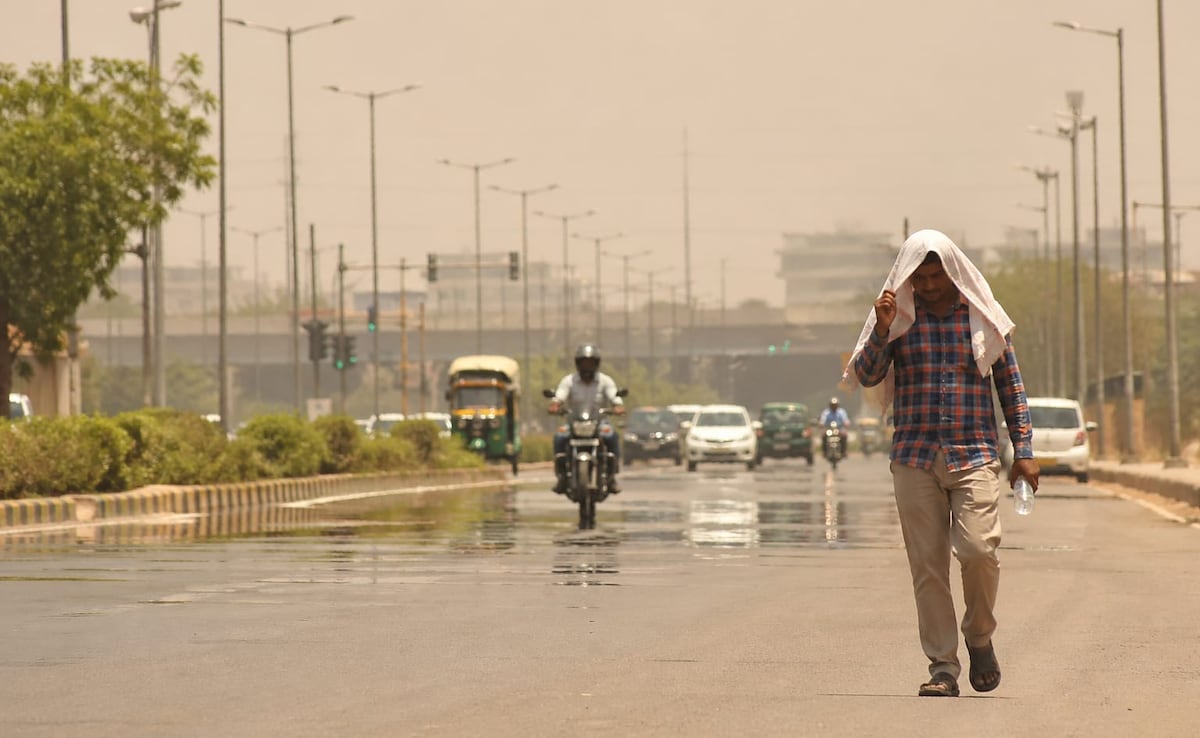
Heat Insurance: Heat is here, and so are the many challenges it brings. A new analysis from the Council On Energy, Environment and Water (CEEW) shows that 57 per cent of Indian districts — home to 76 per cent of the population — are at high-to-very high heat risk. These are places across the country, not just in the old “hot zones”. From metro cities to rural belts, heat has become a nationwide crisis.
The National Disaster Management Authority (NDMA) also points out that at least 23 states regularly see dangerously high temperatures, underscoring how widespread this challenge has become.
Warm nights are becoming a defining feature of India’s summers, the report adds. In the past decade, very warm nights increased faster than very hot days in many districts. This means people are not getting relief even after sunset — the body cannot cool down, sleep is disturbed, and health risks grow.
Significantly, heat carries a human cost. Warmer nights and rising humidity make it harder to lose body heat through sweating. That adds to heat strokes and worsens chronic health conditions — particularly for the elderly, children, pregnant women, and those with heart or metabolic conditions.
Rapid urbanisation is making things worse. Cities like Delhi, Mumbai, and Bengaluru have expanded built-up areas and reduced tree cover, as per the report. Concrete and asphalt trap heat during the day and release it at night. That urban heat island effect keeps people awake, drier bodies strain more, and vulnerability grows.
Economy Feels The Heat Too
Workers in outdoor sectors — construction, logistics, agriculture, delivery services — lose productivity when heat crosses safe thresholds. Businesses face delays, supply chains wobble, and energy demand spikes as more people rely on cooling. Therefore, an insurance for heat-triggered economic losses is gaining steam among social organisations, public officials, and private companies in the financial space.
According to Siddharth Maurya, Managing Director of Vibhavangal Anukulkara, heat stress already hits productivity hard. He points out that prolonged heat has cost India roughly $150 billion in lost output, particularly in labour-intensive sectors. Therefore, heat insurance is emerging as a key risk-management tool for businesses and MSMEs to cope with climate-triggered financial shocks.
Maurya says that these new products provide quick payments to help firms stay afloat when weather disrupts operations. Over time, he expects “heat insurance” to become a mainstream financial tool for risk management in India’s economy.
Earlier, traditional financial protection struggled to cover climate-linked losses — especially for informal and low-income workers. Now, parametric heat insurance pays out automatically when weather triggers hit pre-set thresholds — removing lengthy claims processes.
For the unversed, parametric insurance is a non-traditional insurance model. Under this model, a pre-agreed, lump-sum amount is paid when a specific trigger event occurs — such as earthquake, storm, or rainfall. To give a real-world example, in Nagaland, the government has insured its entire population against economic losses due to heavy rainfall under a parametric model since 2024.
Similarly, several workers’ associations provide some compensation for such crises. In the past few years, several private players have also launched their parametric insurance products.
Narendra Bharindwal, President of the Insurance Brokers Association of India (IBAI), says, “Heat risk is no longer an “environmental concern” alone, it’s an economic and livelihood risk as well. He says extreme heat affects daily wage earners, gig workers, MSMEs, agriculture-linked occupations, logistics, construction. The productivity is hit across urban sectors.
Bharindwal stresses that to scale up heat insurance, affordability, simplicity, awareness, and reliable weather data are critical. He adds that insurance is just one part of a broader risk management and social safety framework. For this to work, insurers, reinsurers, governments, data providers, and distributors must work together.
This shift from regional hot spots to a systemic, nationwide heat challenge means policymakers, businesses, and citizens must act on multiple fronts: better early warning systems, revamped heat action plans, sustainable cooling infrastructure, and expanded climate-linked insurance.



