


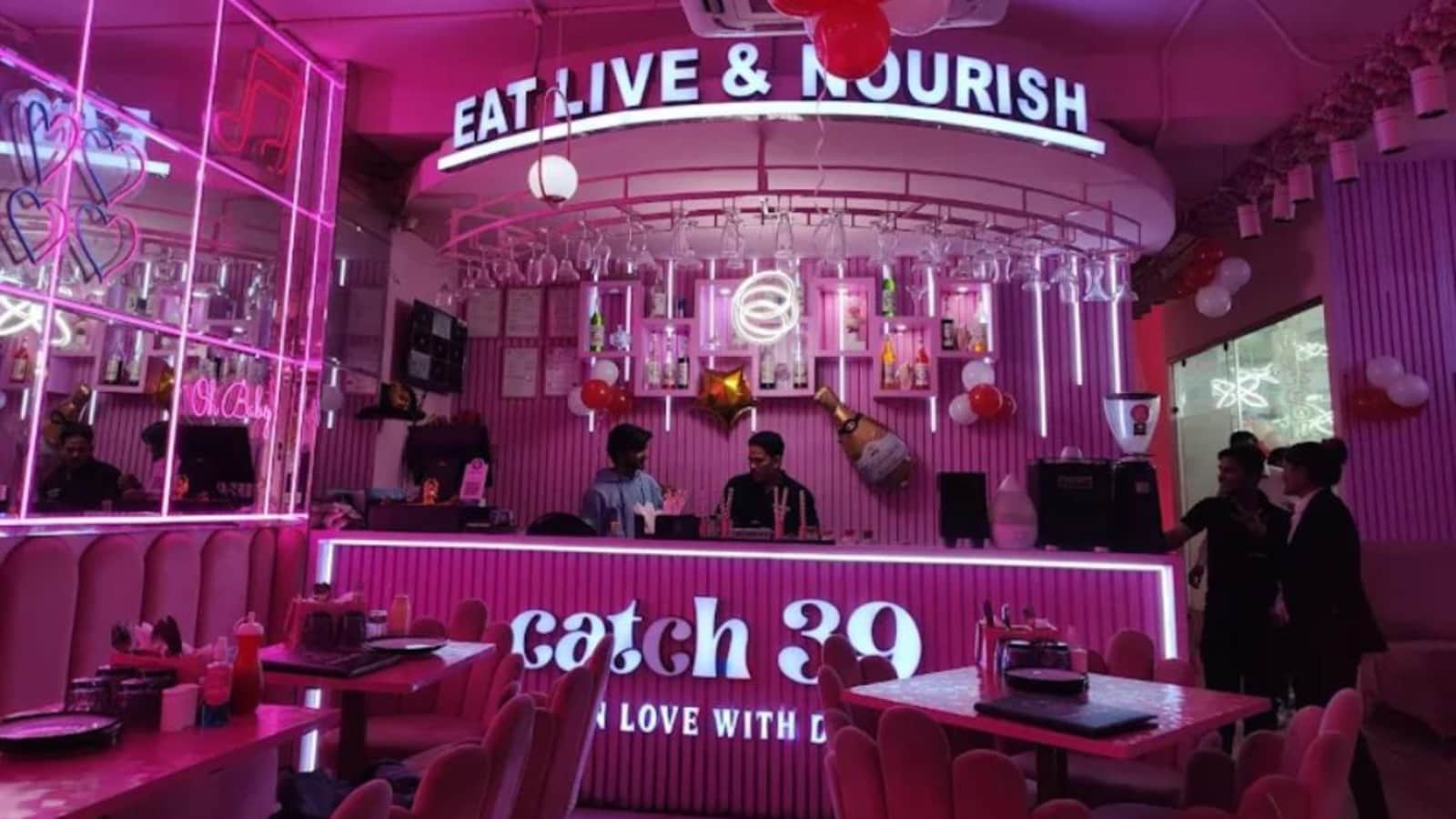
In Delhi-NCR’s evolving cafe culture, coffee is no longer the only thing being served. Today, aesthetics are part of the menu. Across the region, cafés drenched entirely in shades of pink, pastels, and greenery, or built around immersive themes, are transforming casual outings into curated experiences, where interiors matter almost as much as the food.
For instance, ‘Catch 39′, with its bubblegum-pink interiors and neon signs, transforms the café experience into an immersive one, making it the perfect pink paradise to relive childhood fantasies. Expanding from one state to another, ‘La Vie En Rose’ in Telangana, which literally translates to “life in pink,” truly justifies its name with blush-toned interiors, Instagrammable wallpapers, rose-covered ceilings, and a lingering sense of youthful romance, making it perfect for date nights or last-minute romantic gestures.
Looking at them through an analytical lens, such spaces rely heavily on gendered marketing, often associating colours like pink or blue with specific moods and audiences to attract larger consumer demographics. Western culture has historically paired pink with sweetness and femininity, making these cafés purposely designed to be photographed and shared, especially across female-dominated social media spaces.
Then there are cafés that prioritise a thematic atmosphere over a single colour palette. Known for its Santorini-inspired theme, ‘The Norwang Café’ embraces its visual identity through open seating and Greek-style structures that imitate cliffside island architecture. The blue-and-white décor evokes a sense of relaxation, much like a seaside vacation. Meanwhile, ‘Cafe De Flora’ transports guests into a floral haven where nature and hospitality coexist. Studded with fresh flowers at the entrance, the café immediately exudes a whimsical and welcoming charm. Through such immersive 3D elements, it creates an atmosphere that makes visitors long for the warmth and serenity flowers often symbolise.
Also Read: The 8 Best Pizza Places in Delhi NCR You Need to Visit Right Now
Adding another twist to the growing popularity of themed cafés, ‘The Delhi 2D Café’ reimagines the city through black-and-white interiors that resemble a living sketchbook. Its carefully drawn strokes appear almost lifelike, while each panel captures everyday scenes, from a cat perched by a window to quiet slices of urban life, allowing visitors to see themselves reflected in fragments of familiar spaces.
The Rise Of Visual Dining
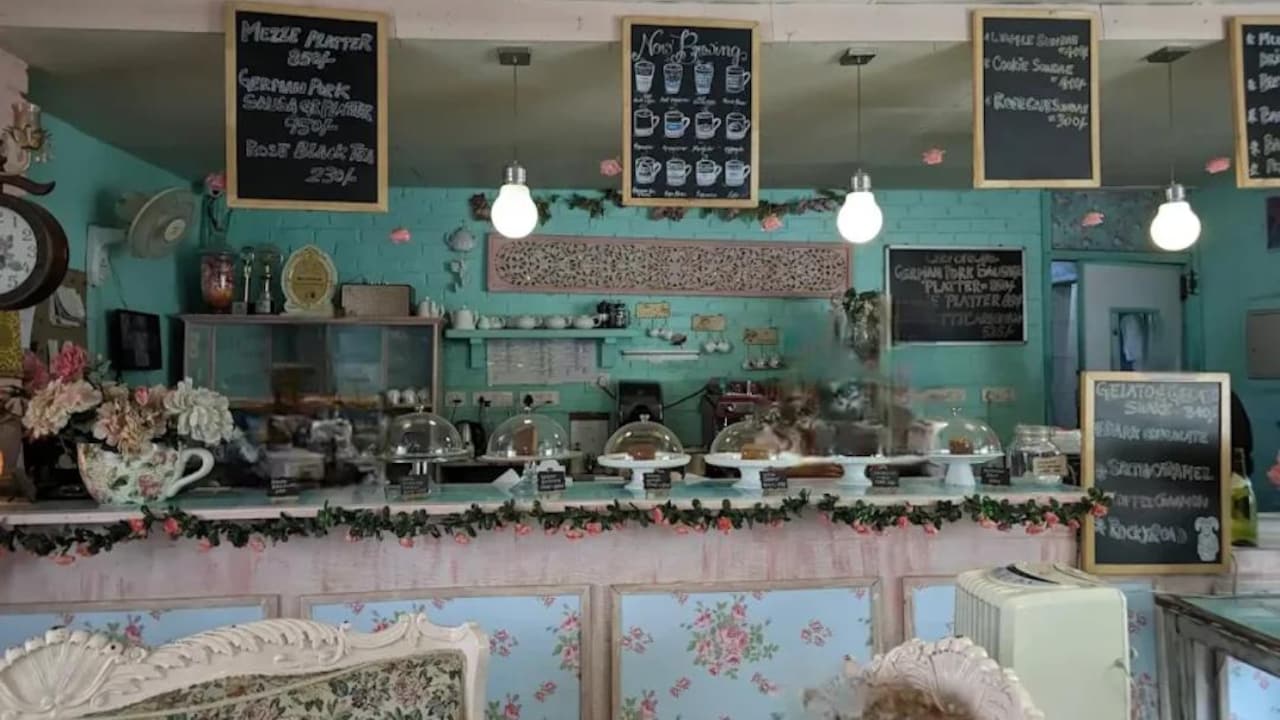
Photo: @Instagram/rosecafedelhi
The rise of one-colour and themed cafés reflects a larger transformation in how modern consumers engage with dining spaces. Cafés are no longer just quick stops for coffee or pastries; they have evolved into hybrid social spaces where people are greeted as much by laptop screens, curated interiors, and digital moments as by food itself.
For Gen Z especially, where one eats often matters just as much as what one eats. A pink café can communicate softness and luxury, while earthy greens evoke calmness and comfort. Colour, therefore, becomes an extension of branding and a reflection of how a space wants to present itself.
Also Read: Why Is Wasabi Always Served With Sushi?
Why Delhi-NCR Became The Perfect Playground
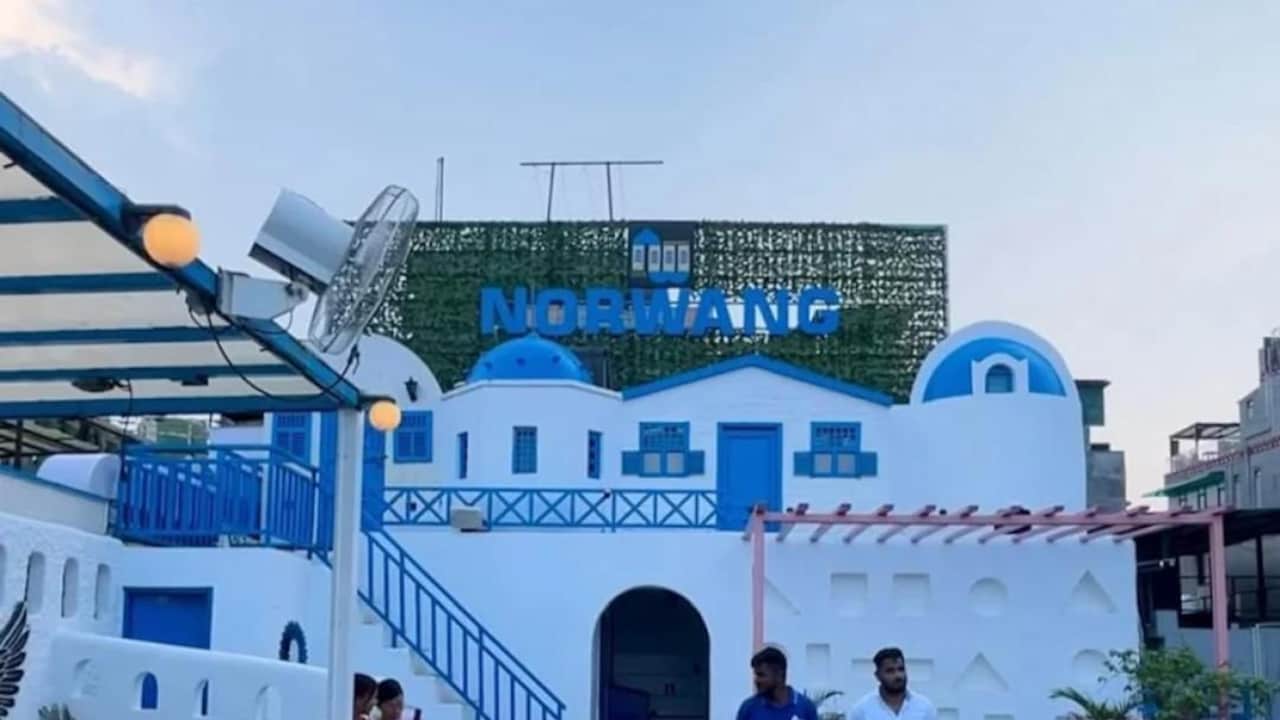
Photo: @Instagram/norwang_cafe
Delhi and Gurugram are naturally positioned for this trend. The region’s café economy is powered by students, young professionals, and content creators who prioritise experiences over convention. This shift has created a competitive environment where cafés are moving beyond traditional formats to create visually memorable spaces. Many businesses are also becoming increasingly global in inspiration, drawing from vintage Parisian tea rooms, Santorini aesthetics, and sustainability-driven concepts.
What Happens Next?
Themed cafés may continue evolving into even more immersive spaces, using food, storytelling, and sensory experiences to maximise appeal. Still, aesthetics alone are unlikely to guarantee long-term success. A visually stunning café may attract customers once, but quality food and memorable hospitality determine whether they return. For now, these cafés remain symbols of a changing dining culture, where eating is no longer just about the food but also about atmosphere, identity, and the feeling a place leaves behind.



