


This movie would have us believe that its eponymous protagonist pulled India out of a major financial crisis and set the nation on the path to economic liberalisation in the early 1990s by making impossible calculations and moves. It gets both its math and its motive all wrong.
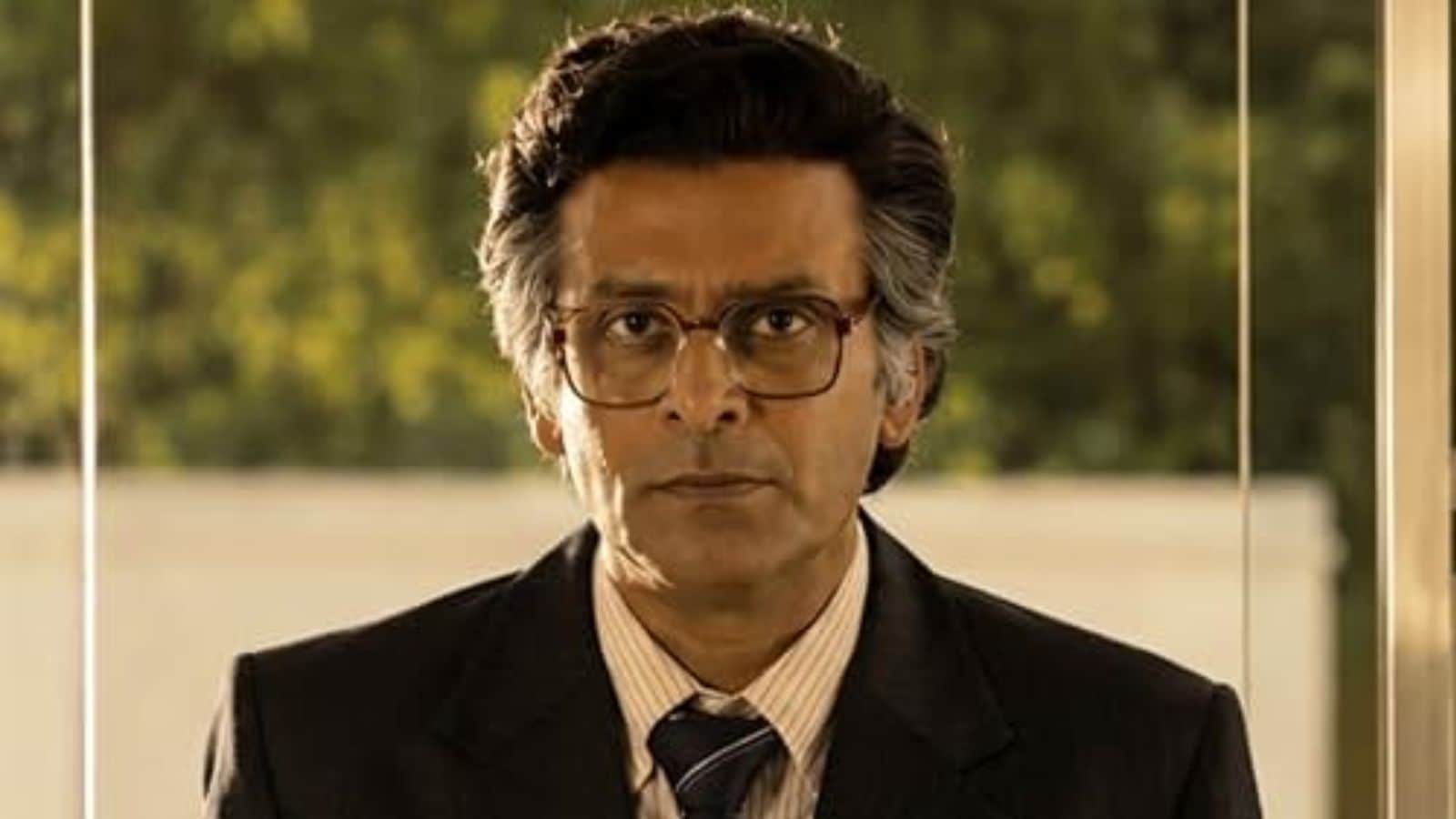
Disappointing? That would be an understatement. Governor, propelled by an acting masterclass from Manoj Bajpayee that is sadly wasted on a vehicle whose wheels are terribly misaligned, is a disaster. The film spins a gossamer-thin yarn, and the kite that it seeks to send soaring in the air struggles to stay afloat.
It falls with a thud between two stools – its desire to be an eye-opener that it believes that we are all crying out for and its need to be a viable financial thriller complete with a hush-hush transfer of gold to two foreign countries in lieu of loans aimed at stalling the spectre of imminent bankruptcy that stares the nation in the face.
A nosy journo, chasing a scoop, wants to unmask the deal. The authorities have to fight to keep her from blowing the lid off. That is about all the drama that there is in the film.
The film, produced by Vipul Amrutlal Shah (The Kerala Story and its sequel) and helmed by actor-turned-director Chinmay D Mandlekar (Inspector Zende, which also starred Bajpayee) simply does not add up no matter what method of calculation one applies to make sense of the exercise.
Governor follows an all too familiar script: rake up the nation’s immediate past, show the government of the day in a poor light, and talk up individuals who saved the day for the nation by doing the things that the politicians ruling the country back then could not, or would not, do.
Most importantly, Governor not-so-subtly drives the narrative towards asserting how wonderful things are today and how wrong, impractical, and myopic policies that once plagued India belong firmly to times long gone and have no way of coming back. Take the film with a fistful of salt; it might work as a cautionary tale.
The opening scene of the film refers to the economic collapse of Sri Lanka in 2022. A young Indian boy lolling about in the comfort of his living room pooh-poohs the thought that India might ever be in a similar spot. His mother (the older version of the aforementioned journalist) tells him that India was on the brink in 1991. That was the India I grew up in, she says, but today’s India is a new country.
It is understandable why such “feel-good” films have ready takers and why they get made and distributed in the first place. If you take off your blinkers, this shoddy iteration is exhausting, if not outright egregious.
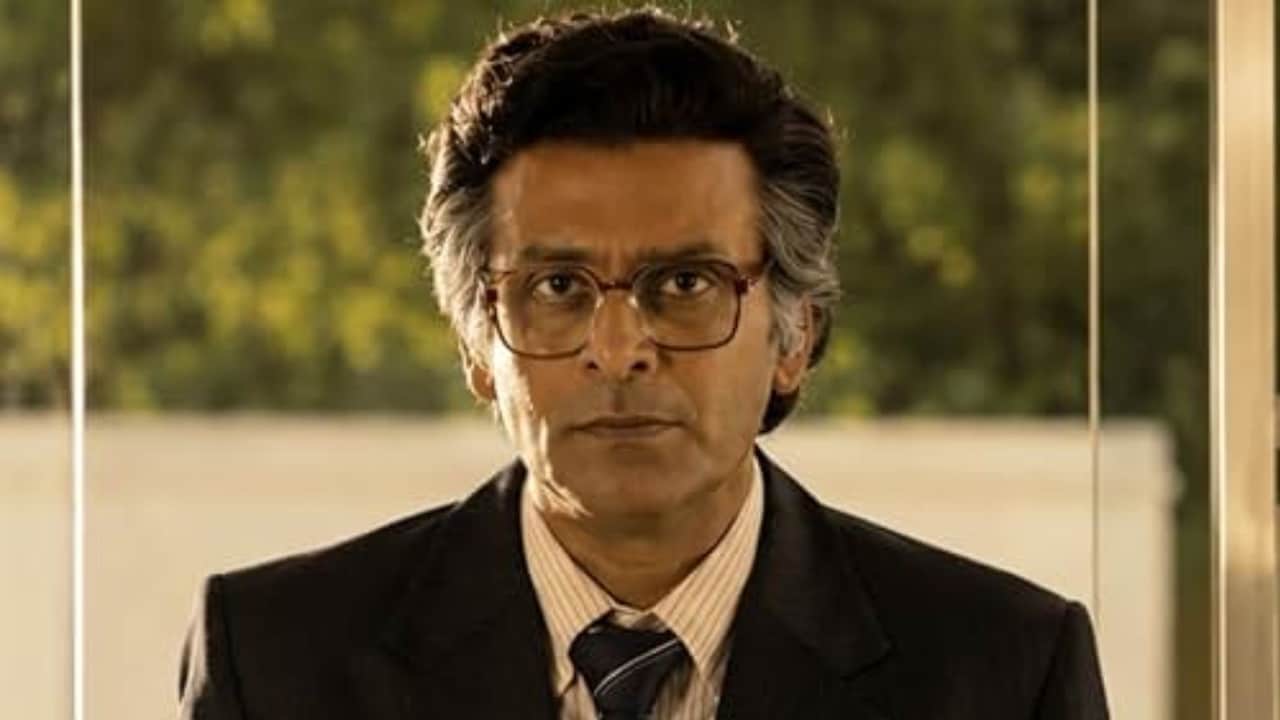
Bajpayee in the guise of the crusty, socially awkward, but phenomenally tenacious governor of the RBI (called Rashtriya Bank of India here) is as good as he has ever been.
He is backed up to superb effect by theatre practitioner Noushad Mohamed Kunju, cast as the deputy governor who serves as both a sounding board and a cheerleader who keeps his boss grounded. The two characters and actors deserved better.
Although modelled on real-life men from India’s contemporary economic history, the characters on the screen are not only given fictive names; the film also claims in a detailed disclaimer that they have no resemblance to actual personages.
Believe that assertion at your own peril. Governor is indeed a mix of the apocryphal and the factually apposite. The film has far more of the former than the latter, although, unless you furrow deeper than this film is willing to do, you might not be able to tell where one ends and the other begins.
Do not overthink. It isn’t worth it. What you have been told all these years is that a Prime Minister and his Finance Minister (who was previously an RBI governor) were the architects of India’s economic liberalisation programme that altered the nation dramatically for good.
This film wants you to banish that idea. It insists that the duo was only building on the daring groundwork that somebody else had done and was not given due credit for.
As long as this construct is posited as a fanciful drama revolving around the nation’s fast dwindling foreign exchange reserves and the decisions and actions taken in response to the crisis, the film just about passes muster.
But when it ventures into the terrain of ‘history’ and claims that it is privy to information and knowledge that nobody else in the business has, it is deliberately fallacious – a case of selective amnesia.
The assertion that the screenplay (written by Suvendu Bhattacharjee, Saurabh Bharat, Ravi Asrani, and the producer himself) appears to make is that India was once a nation run by incompetent politicians. It was salvaged by its iron frame.
The film’s lack of acumen is also illustrated in the sloppy characterisation of a journalist who pops up everywhere and waylays the RBI governor to fire questions at him with the air of somebody who has arrogated to herself the right to be recognised as the voice of the nation.
The ways of entitled journo Aditi Verma (played by Adah Sharma) are as difficult to digest as anything else that the film foists upon us. “How long will you run away from my questions?” she asks the RBI governor. She all but stalks the man, and we are supposed to believe that she is a newshound doing her job.
Bajpayee’s magnificently modulated performance cannot undo the effects of all the mendacity that sweeps through the film. It must surely rank as one of the actor’s greatest performances in the aid of a lost cause. If you like screen acting that is so effortless that it does not look like acting at all, you might want to give this film a shot.
But be mindful, there is a price to be paid for that joy: a two-hour history lesson that nobody asked for.



