




NEW DELHI: India, which harboured nearly 8% of global biodiversity within only about 2.4% of the world’s land area, emerged as the leader in issuing Internationally Recognised Certificates of Compliance (IRCCs) for granting access to genetic resources and associated traditional knowledge under a global protocol, accounting for 60% of all such certificates issued worldwide, a progress report on implementation of the Access and Benefit Sharing (ABS) during the 2017-25 showed.The report, released by the environment ministry on the occasion of the International Day for Biological Diversity in Bhopal on May 22, underlined that India published 3,556 IRCCs, which accounted for 60% of the global issuance.
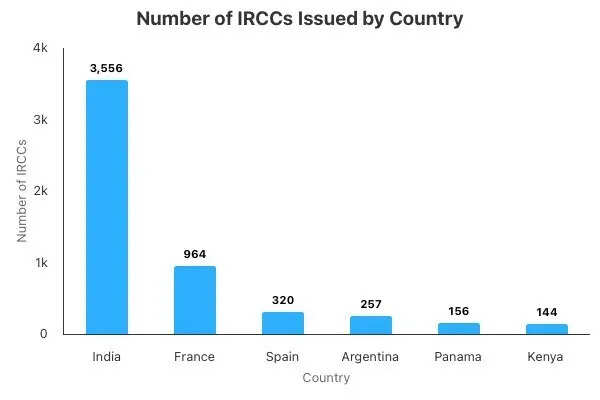
“This reflects India’s commitment to compliance for effective monitoring under the Nagoya Protocol. The ABS mechanism has resulted in the generation of both monetary and non-monetary benefits,” it said.The Protocol, called the Nagoya Protocol on Access to Genetic Resources and the Fair and Equitable Sharing of Benefits Arising from their Utilisation (Nagoya Protocol on ABS), was adopted in 2010 and was in force since 2014. It provided the operational framework for the implementation of ABS.In India, ABS was a statutory mechanism under the Biological Diversity Act, 2002, which ensured that benefits arising from the commercial use of biological resources and associated traditional knowledge were shared fairly and equitably with grassroots-level communities and knowledge holders.Under the Protocol, countries granting access to genetic resources and associated traditional knowledge were required to issue IRCCs. These certificates served as official evidence that ‘prior informed consent’ had been obtained and that ‘mutually agreed terms’ had been established between users and providers of genetic resources.Latest data showed only 34 out of 142 countries registered on the ABS clearing-house issued IRCCs. India was followed by France with 964 certificates, Spain (320), Argentina (257), Panama (156) and Kenya (144).IRCCs played a crucial role in tracking how genetic resources were used, from research and innovation to eventual commercial applications, ensuring that benefits were shared fairly with the provider country.The report also said Rs 263 crore was realised in India through National Biodiversity Authority (NBA) approvals, of which Rs 145 crore was disbursed to beneficiaries including Biodiversity Management Committees, local communities, and farmers, supporting conservation initiatives and strengthening livelihoods.India, being a biodiversity rich country, acted as a provider country by permitting, with terms and conditions, access to biological resources and knowledge to entities in countries such as France, USA, Spain, Brazil, UAE, China, and Netherlands for research and development followed by commercial utilisation.In his address on the occasion to mark the International Day for Biological Diversity, Union environment minister Bhupender Yadav noted that meaningful global outcomes can emerge only through strong local action, community participation and sustainable lifestyles.Observing that community-led conservation traditions such as sacred groves, folk varieties, landraces and local stewardship practices demonstrate the deep cultural and ecological relationship between people and nature, the minister noted that conservation thinking has already evolved from focusing only on single species to protecting the entire spectrum of life and interconnected ecosystems.The ministry also released India’s National Report on Biodiversity – 2026, encapsulating the key findings and highlights of the country’s seventh National Report (NR-7) to the Convention on Biological Diversity (CBD) in February.The report claimed India has strengthened its conservation network with expanded forest and tree cover, Ramsar wetlands, and a robust Protected Area system. “Significant progress has also been made in agrobiodiversity conservation, Access and Benefit Sharing, and community engagement through Biodiversity Management Committees (BMCs),” it said.India’s NR-7 reported that all 23 National Biodiversity Targets (NBTs) are currently “on track to achieve”, demonstrating strong alignment between national priorities and global biodiversity commitments.The country’s 23 targets primarily focused on reducing threats to biodiversity throughmitigating the direct drivers of habitat loss, climate change, and pollution; and on meeting people’s needs through sustainable use of resources and equitable benefit-sharing.



 for access to genetic resources and traditional knowledge, accounting for 60% of worldwide certificates. This reflects India’s commitment to biodiversity and benefit-sharing initiatives.)