


From millets to makhana and moringa, and then jackfruit, Prime Minister Narendra Modi has been batting for the superfoods that have been an inseparable part of the Indian culinary tradition. His most recent reel on avocados may not be about a fruit traditionally associated with our civilizational dietary wisdom, but it is undoubtedly a gentle nudge to farmers to start considering cultivating the fruit to cash in on the growing urban market for it.
Decades before the Prime Minister made his heartfelt case for avocado cultivation, the famous Indian guru and best-selling author of The Autobiography of a Yogi, Paramahansa Yogananda, discussed with Mahatma Gandhi the possibility of the now-fashionable fruit becoming the acceptable alternative to meats in a vegetarian diet.
This conversation, dating back to 1935 and recorded by the saint in his autobiography, concluded with the Mahatma, who had a lifelong interest in dietetics, evincing a keen interest in starting the cultivation of avocados at his ashram in Wardha near Nagpur. The year 1935, incidentally, was also when Richard Hass patented his avocado cultivar, which is most in demand among Indian chefs today because of its creamy texture and the ease with which it absorbs the flavours of masalas.
Paramahansa Yogananda shipped avocado saplings to the Mahatma from a farm near his ashram in California, but, as noted by food historian and journalist Vikram Doctor, these withered away before their much-anticipated Wardha arrival.
So, what could have been India’s ‘avocado moment’ had to wait for decades before avocado toast (‘avo toast’) on sourdough bread, one of the world’s hottest-selling food items invented in Sydney in the 1990s by the chef and restaurateur Bill Granger, caught the fancy of a new generation of cafe junkies, first in New York in the 2000s and then all over by the 2010s, and now, of even the street food vendors of Surat.
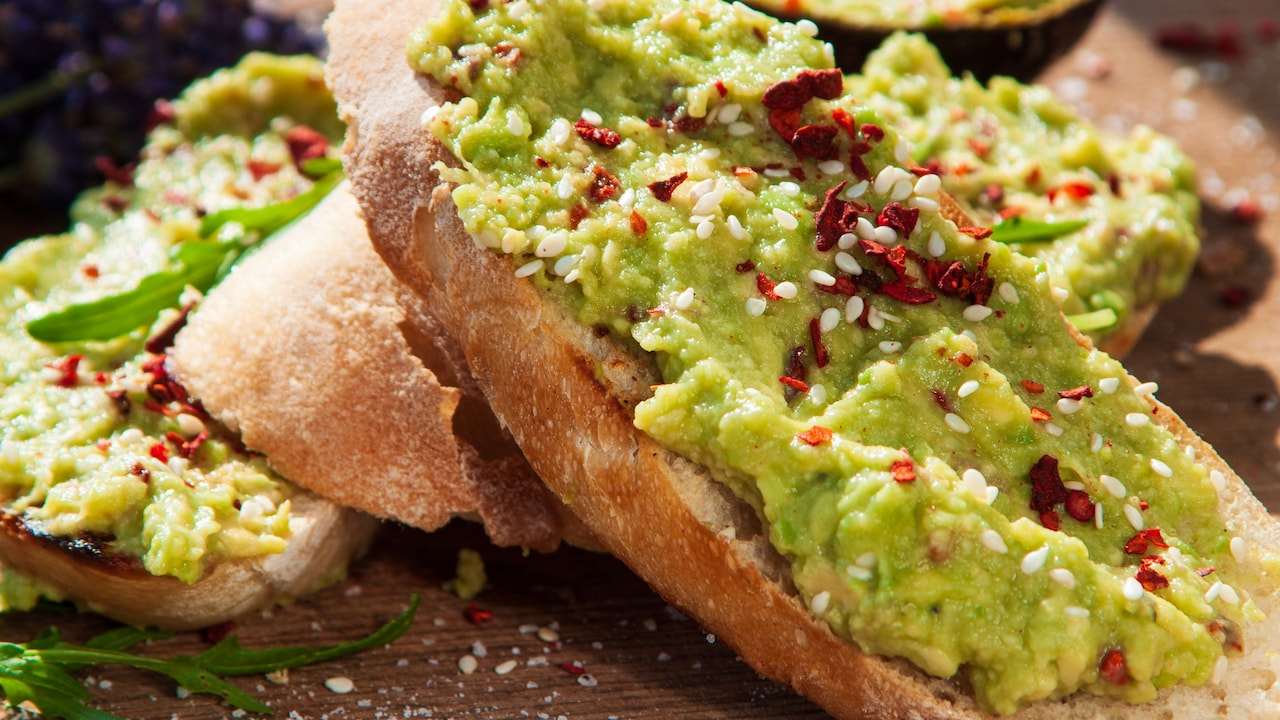
Photo Credit: Pexels
Much before the present wave of popular interest in avocado, the fruit was introduced in India via Sri Lanka by American missionaries, who grew it in the hills of Kodava (previously known as Coorg in Karnataka), Ooty, Kodaikanal and neighbouring Palani (all in Tamil Nadu).
It used to be known locally as ‘butter fruit’. Binita Chamling, the Delhi-based diva of Sikkimese cuisine, remembers from her student days in Bengaluru, drinking ‘butter fruit’ milkshake. It would bring back memories of her childhood in Sikkim when she used to forage for a fruit that they knew as ‘pumsi’, which was popular as ‘wild avocado’ because it looked and tasted, and had a healthy fat content, very similar to the variety we are familiar with.
The ‘butter fruit’, which chef-restaurateur Bakshish Dean first encountered while on a work visit to Mangalore in 2014, was selling for Rs 40 a kilo, about a fifth of the price that the Hass avocados, which were introduced into India in 2017, command today. The Indian ‘butter fruit’, Dean remembers, would more often than not turn out to be unripe (so they had to be ripened in rice bags and most got spoilt in the process).
The other problem was that they tasted slightly bitter, which made them unpalatable without sugar being added by spoonful. As a result, the guacamole that one got to eat at restaurants – and it was the only dish with avocados on the menu – till the mid-2010s was prepared with imported Hass avocados and priced out of the grasp of ordinary people. It was the polar opposite of the market shift today, when avocados seem to have gripped the imagination of Indian Millennials and Gen Z.
Also Read:PM Modi’s Avocado Post Got Everyone Talking. What Luke Coutinho Told NDTV
The demand for avocados, though, picked up only after vegetarian patrons of restaurants and caterers started asking for something “different” from paneer and tofu. Chef Manish Mehrotra, now famous as the man helming Nisaba at the Humayun’s Tomb Museum Complex in Delhi, remembers first using avocado as an ingredient back in 2006 when he was working at Rohit Khattar’s Pan Asian Tamarai restaurant at Covent Garden, London. And when he returned home to launch Indian Accent for his boss in Delhi, he introduced a runny-yolk egg pakora salad with avocado, but he could not get more ambitious because irregular supplies and inconsistent quality tied his hands.
Such constraints, however, did not stop Chef Chiquita Gulati, who was then running the Spice Market restaurant in Saket, Delhi, along with her husband Sumit Gulati (they now operate the highly successful Call Chotu chain of little restaurants). Taking inspiration from Lucknow’s famous melt-in-the-mouth mutton gilawat (galauti) kababs, she created a vegetarian version with the same masala mix but with avocados.
The softness of the avocados made it very difficult for Chiquita to turn the kababs while they were being sautéed – her competition was busy using paneer or mashed potatoes as binders to hold the avocado patty, but she stuck to her guns and turned her invention into a must-have inclusion at the vegetarian parties she caters for.
With domestic production touching new highs every year because of a growing number of farmers and even tea and coffee planters adopting avocado cultivation, there’s enough supply to feed India’s prodigious appetite for the wonder fruit.
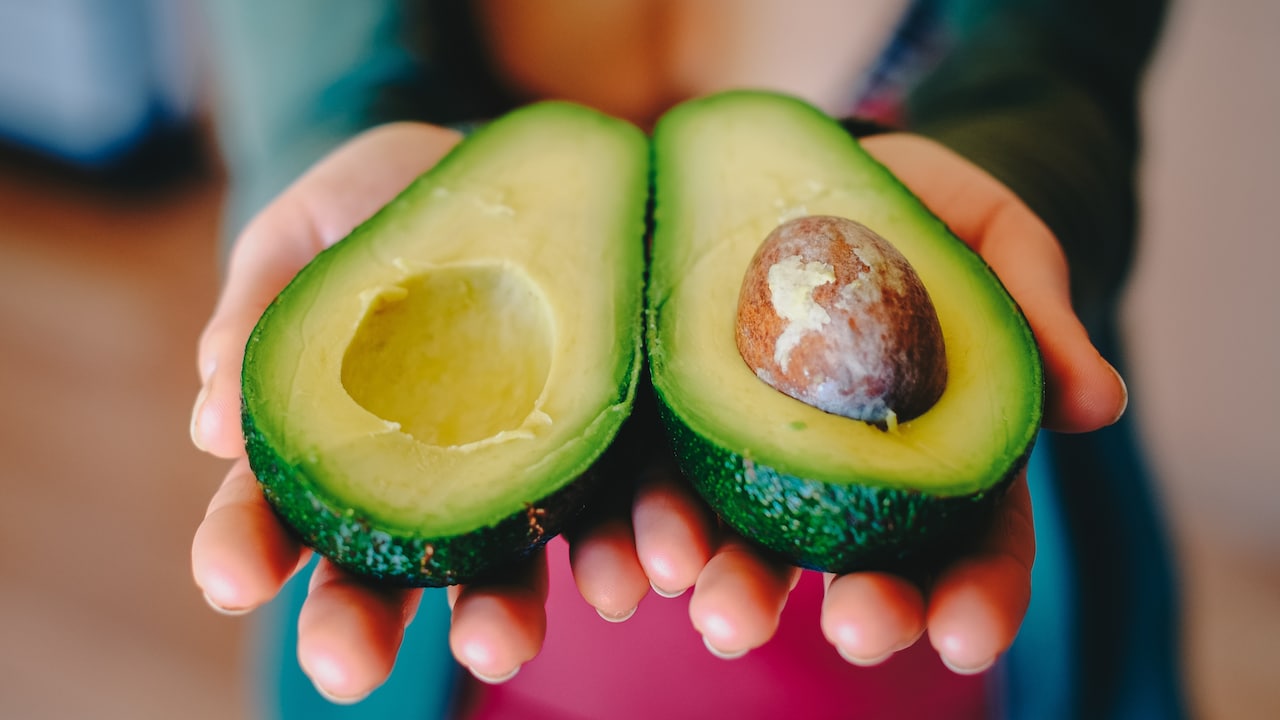
Photo Credit: Pixabay
Restaurateur and NDTV Food Awards 2026 honoree Gauri Devidayal notes with a chuckle that no vegetarian menu today is complete without what caterers describe as the BATA items – burrata cheese, avocado, truffles (or truffle oil) and asparagus (preferably the white ones)!
At her all-day restaurant, Mag St. (Colaba, Lower Parel and Bandra West), Devidayal fears she’ll have a revolt on her hands if at any moment she strikes the avo toast, which comes with layers of creamy avocado, home-made ricotta and feta cheese or chilli flakes, off her menu. “It gets even better when you put a fried egg on top!” Devidayal adds.
Also Read: Which Village Is Known As Kerala’s First Avocado City?
A Mumbai cafe, Boojee at Bandra West, in fact, owes its viral popularity to its avo toast, which is served with a topping of hummus, or with guacamole, beetroot and pickled onions, or smashed avocado with chilli eggs.
In Delhi, when The Grammar Room opened at one end of the compound where Olive Bar & Kitchen, Mehrauli, stands, Executive Chef Dhruv Oberoi’s brief was to make their avo toast stand out in the crowd. He did it by perking up the creamy avocado with smoky roasted peppers, tangy citrus, chewy sun-dried tomatoes, spicy jalapeño, and fragrant cilantro. At Olive, Oberoi has gotten more experimental. He has turned around the seafood crudo, giving it a completely vegetarian makeover with thinly sliced or prepared seasonal avocado and a zesty, citrusy ceviche dressing.
With avocados now more easily available than before, Nisaba’s Mehrotra artfully places an avocado slice atop his chicken dahi bhalla for both textural and visual appeal. His former colleague, Dhiraj Dargan, Brand Chef of the multi-award-winning Comorin restaurants, has created the sharp and spicy ‘chakhna’, Nimbu Masala Avocado served on Banarasi Aloo Papad, and for ‘chaat’ lovers, the Mango Makhana Avocado Chaat with Kokum Dressing – in Dargan’s words, “It is a meeting of textures and contrasts – crunchy, creamy, sweet, tangy and spicy.”
You know an ingredient has arrived when it churns the creative juices of chefs. From ‘avo toast’ to ‘avocado chaat’, the once unknown fruit is a conversation starter today – and it has also got the attention of the Prime Minister.
About the Author: Sourish Bhattacharyya is a noted New Delhi-based food columnist, author, blogger, and print journalist with more than three decades of experience.


