


New Delhi:
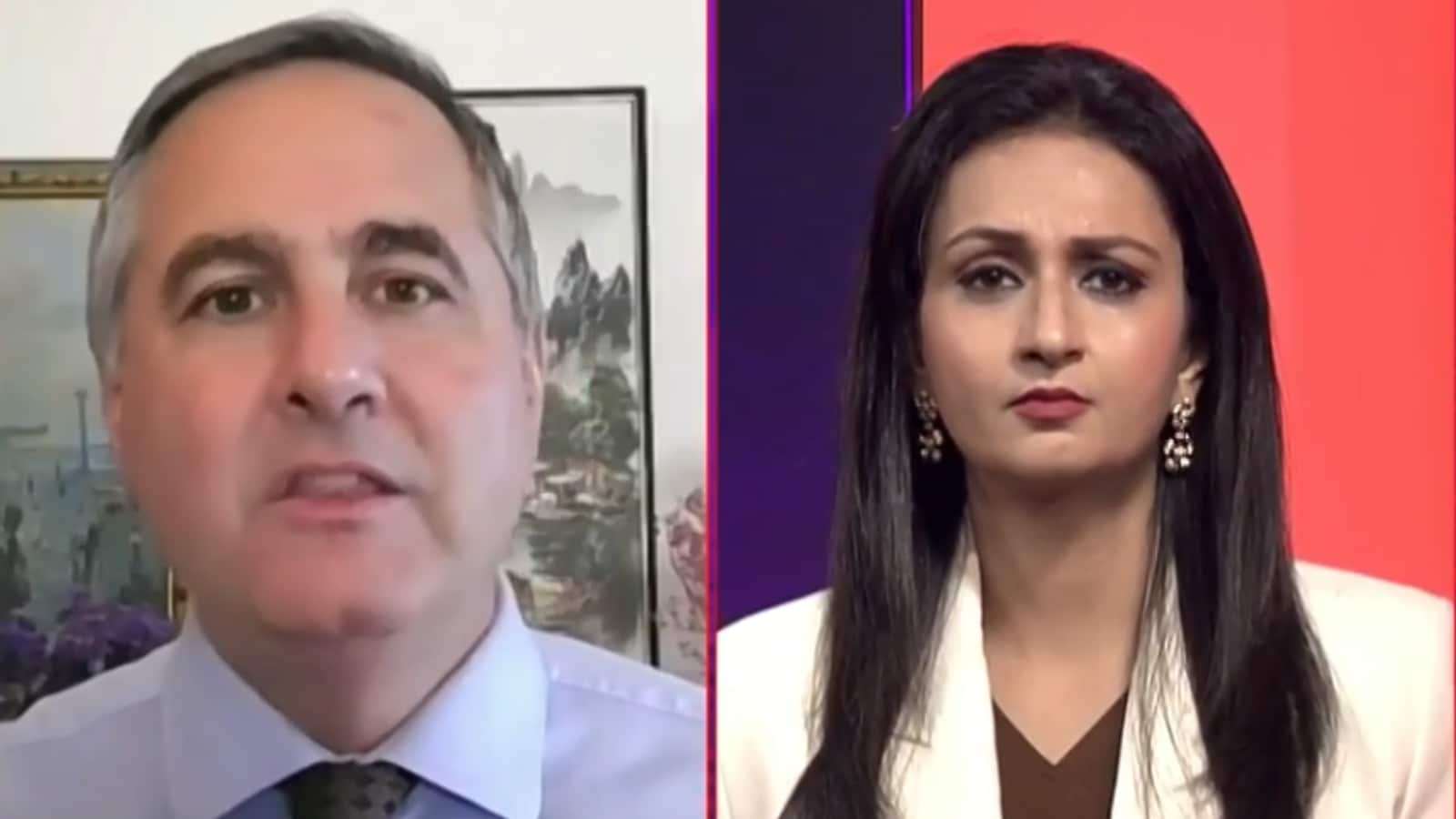
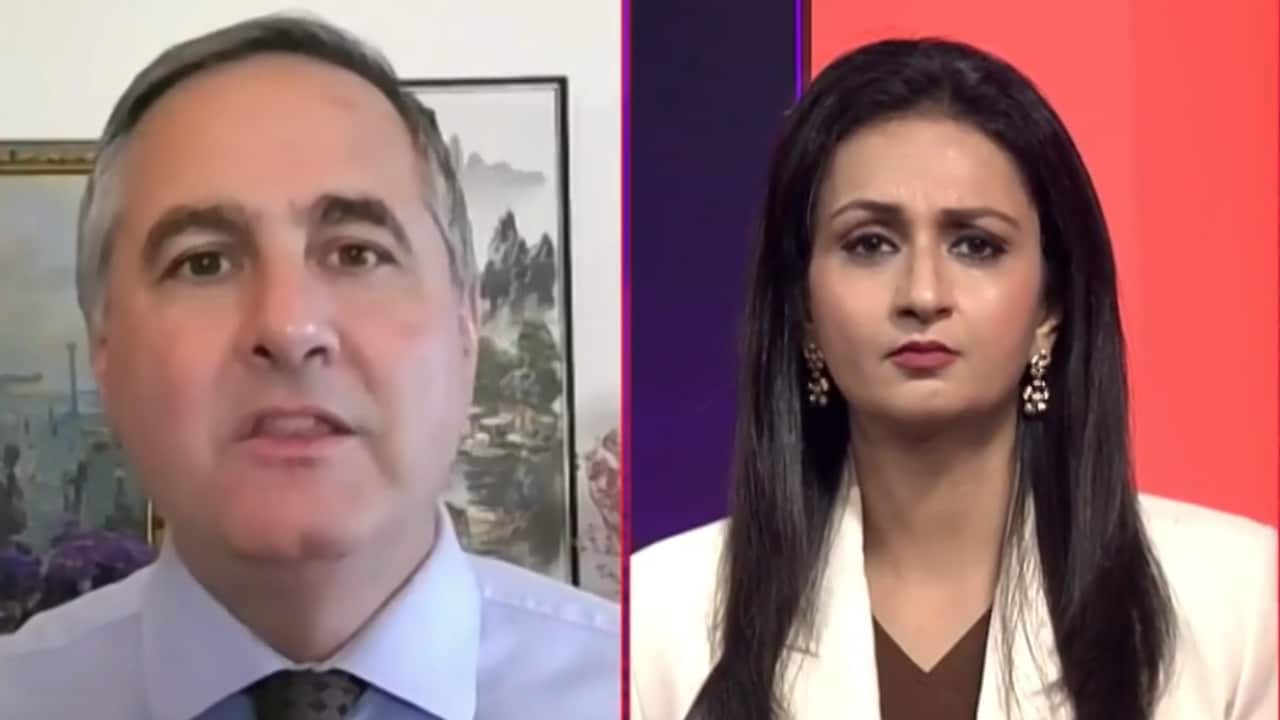
There is a version of India’s Gen Z protests that has taken hold globally – one that borrows its imagery from Dhaka, Colombo, and Kathmandu and imports it wholesale onto Indian streets. That comparison is entirely the wrong lens, said Salvatore Babones, an American-born political scientist at the University of Sydney, in an interview with NDTV.
Babones began by tracing the origins of the movement itself. He claimed the Cockroach Janta Party (CJP) was never an organic student uprising like other movements elsewhere. It began with an online meme, and its scale made it irresistible to a certain kind of actor.
Professional activists, some based abroad and some domestic, saw an opportunity in a meme with 20 million followers and moved quickly to attach themselves to it. Greta Thunberg’s appearance at a protest entirely outside her area of expertise, he told NDTV, was not an aberration but symbolic of exactly this pattern: a rush to seize relevance rather than raise it. That instinct, Babones argued, sits inside something larger and more structural: a Western media appetite for stories that cast India – and by extension, Hindus and Hindu political leadership – in an unflattering light.
He drew a direct parallel to the architecture of anti-Israel activism, where groups and individuals with no substantive connection to the issue mobilise regardless, drawn by ideological convenience rather than expertise. The organisations involved, he noted, often overlap. So do the tactics.
The numbers, he told NDTV, expose just how selective this attention is. Protests in Pakistan-occupied Kashmir, where dozens have reportedly been killed, draw negligible global coverage. Tear gas in India, by contrast, becomes an international story, despite India’s police response falling well within the tools used across democratic nations, pellet guns and crowd-control measures included. The asymmetry, he said, isn’t a comment on India’s conduct. It’s a comment on what gets to be news.
The NEET protests, he said, do rest on some legitimate grievances. Exam-related distress is real. What has happened since, however, is a story reshaped by statistics stripped of context. Walking NDTV through the data, Babones noted that roughly two million students sat the NEET exam.
Applying the baseline suicide rate for that age group in India – around 25 per 100,000 – statistical expectation alone would put the number of suicides in that population at approximately 500. The reported figure tied to NEET distress: 20. That comparison, he said, is jarring precisely because it inverts the instinct to treat every number as evidence of crisis. 20, against an expected 500 – in Prof Babones’ words – is not a damning one, even as he stressed every life lost remains one too many. But the story of an exam driving mass tragedy, he argued, is a statistical artifact, not a social fact – and the discipline to say so publicly has been largely absent from India’s own social scientists.
The same corrective, Babones told NDTV, applies to the employment narrative feeding youth anger. India’s formal sector workforce – for both men and women – is expanding rapidly, faster than in most of the developing world. What looks like “growth without jobs,” in his reading, is closer to the opposite problem: growth pulling more aspirants into the formal economy faster than it can immediately absorb them. Frustration, in that framing, is a symptom of expanding opportunity, not its absence.
None of this, he cautioned, makes Gen Z’s restlessness illegitimate – or temporary. It is, in his view, a permanent feature of a functioning democracy rather than a crisis to be managed away. The distinction between India and its neighbours that saw governments toppled, he explained to NDTV, is structural: India has functioning outlets for discontent – the ballot, organised protest, a ruling party responsive enough to know its future depends on this generation’s vote.
Layered on top of that is an economy still generating hope, even where it hasn’t yet delivered every job promised.
On social media’s role in amplifying all of this, Babones was notably unalarmed. Comparing India’s experience to Australia’s youth social media ban, which he said shows little evidence of working, he framed platforms as simply the latest terrain on which an old generational argument is playing out. Every generation has unsettled the one before it, he told NDTV. This is not democratic erosion, instead its adaptation.
The test now, Babones said, isn’t whether India’s Gen Z stays restless – they will. It’s whether the systems built to absorb that restlessness keep pace with the story the world insists on telling instead.



