


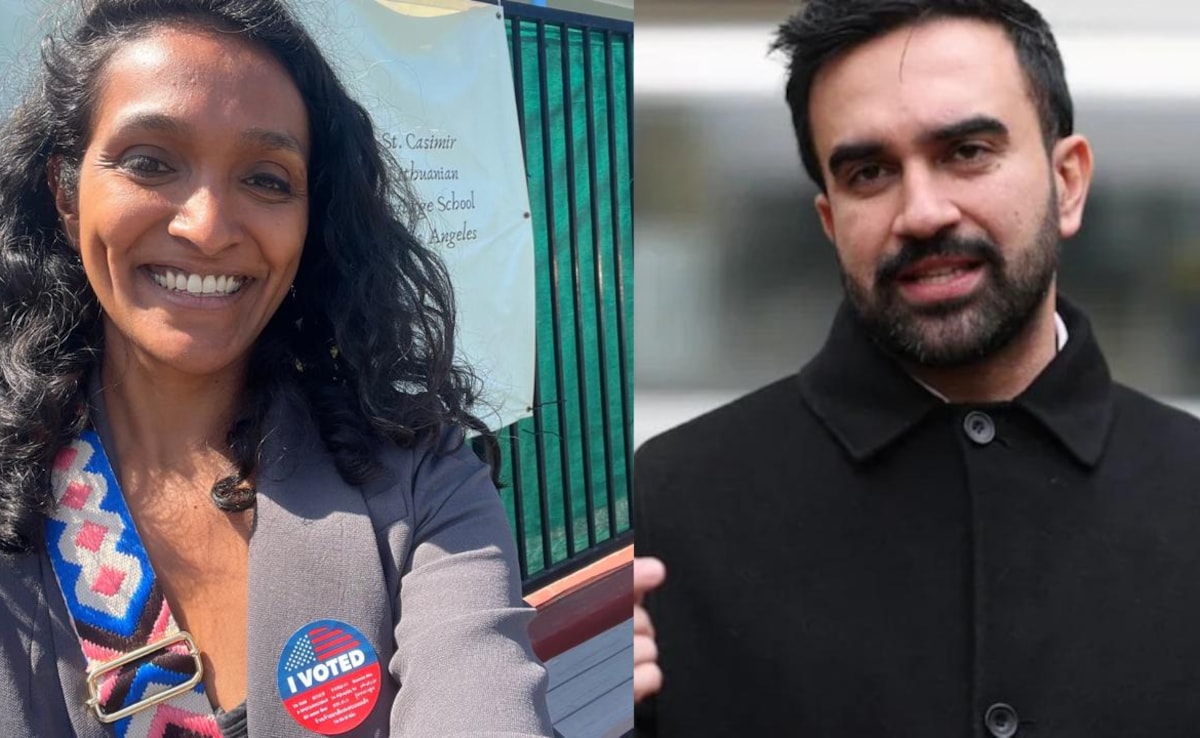
Born in Kerala in 1981, Nithya Raman moved to the United States as a child and has since built a career at the intersection of policy and community work. She currently serves as the councilmember for Los Angeles’ District 4, a role she took on in 2020 after a breakthrough electoral win.
Her victory marked a milestone. She became the first Asian American woman and the first South Asian to sit on the Los Angeles City Council.
Policy Credentials Shaped By Activism
Raman’s political outlook is deeply informed by her academic and grassroots background. She studied at Harvard University and later completed a master’s in urban planning from Massachusetts Institute of Technology.
Before entering electoral politics, she co-founded the SELAH Neighbourhood Homeless Coalition, working directly on homelessness, an issue that remains central to her platform.
Last-Minute Entry Shakes Up Contest
In a move that caught many off guard, Raman entered the 2026 Los Angeles mayoral race just hours before the filing deadline in February. The decision raised eyebrows, particularly because she had previously backed sitting mayor Karen Bass.
Read | Kohinoor In Focus After Mamdani Backs Its Return. All About 106 Carat Diamond
Despite being part of the city council, she has positioned herself as a challenger to the status quo, arguing that City Hall suffers from structural inefficiencies that need overhaul.
Campaign Built Around Urban Fixes
Her pitch to voters revolves around some of Los Angeles’ most pressing concerns. Raman has focused heavily on housing affordability, tenant protections, and improving civic infrastructure, from roads to emergency systems.
She has also doubled down on a housing-first approach to homelessness while criticising gaps in governance and financial management, framing her campaign as one centred on accountability and long-term fixes.
Why Comparisons To Zohran Mamdani Are Growing
Observers have increasingly likened Raman to Zohran Mamdani, a prominent progressive voice in US politics. The parallels stem from similar ideological ground, left-leaning policy positions, strong grassroots networks, and an emphasis on affordability and housing justice.
Both are also seen as part of a broader wave of Indian-origin leaders reshaping political conversations in the United States.
Momentum Builds Ahead Of Primary
Although she entered the race late, Raman’s campaign has quickly picked up pace. Polling trends and prediction markets indicate she is gaining ground and, in some cases, even outpacing more established candidates.
With the primary scheduled for June 2026, what began as a surprise candidacy is now being treated as a serious bid.
Pushback From Rivals
Her rise has not gone uncontested. Critics have pointed to ongoing challenges in Los Angeles, particularly homelessness encampments and public safety, as areas where they believe her record falls short.
Still, a win would be historic, making Raman the first Asian woman to lead Los Angeles as mayor.



