


Dhar:
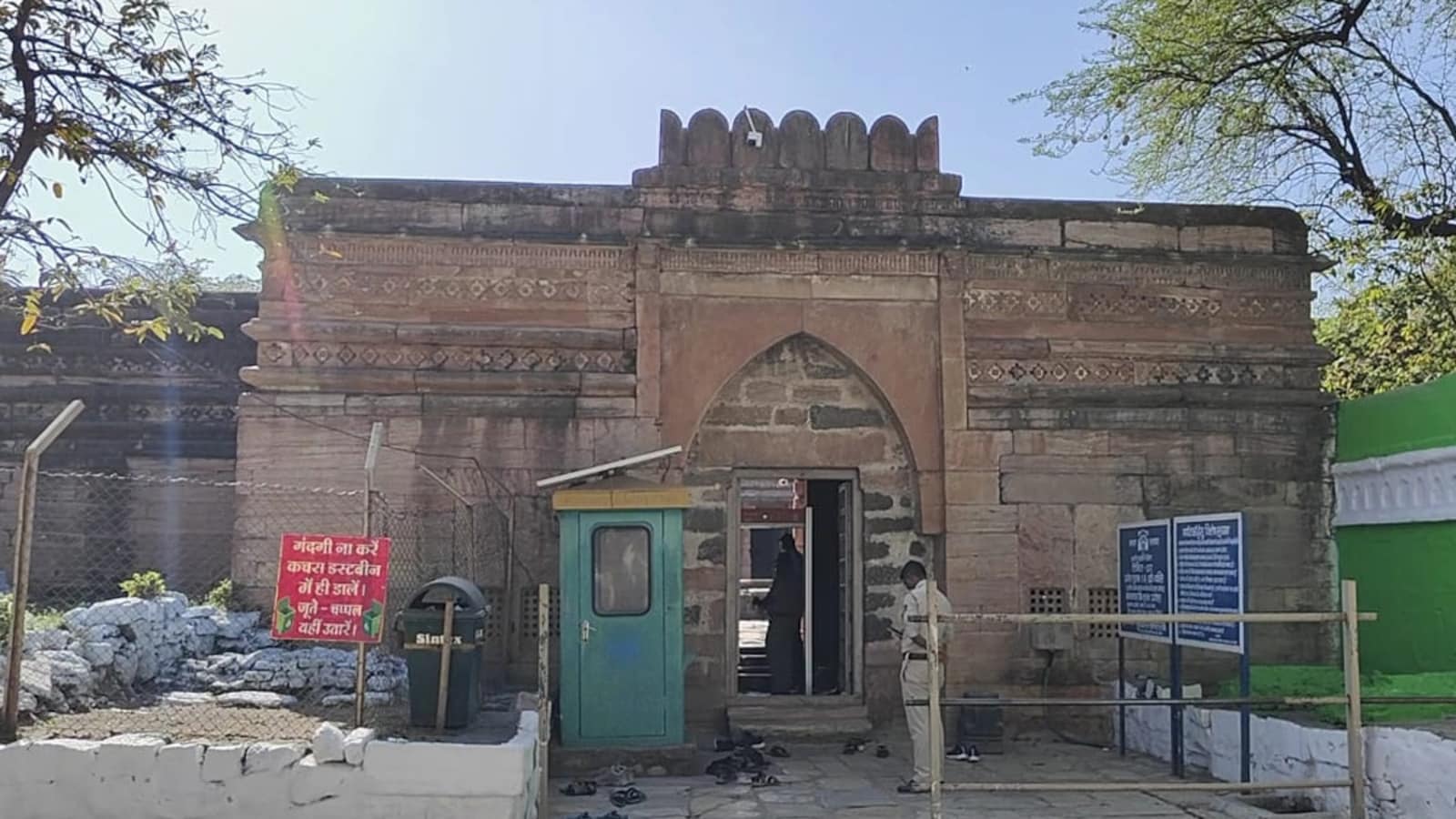
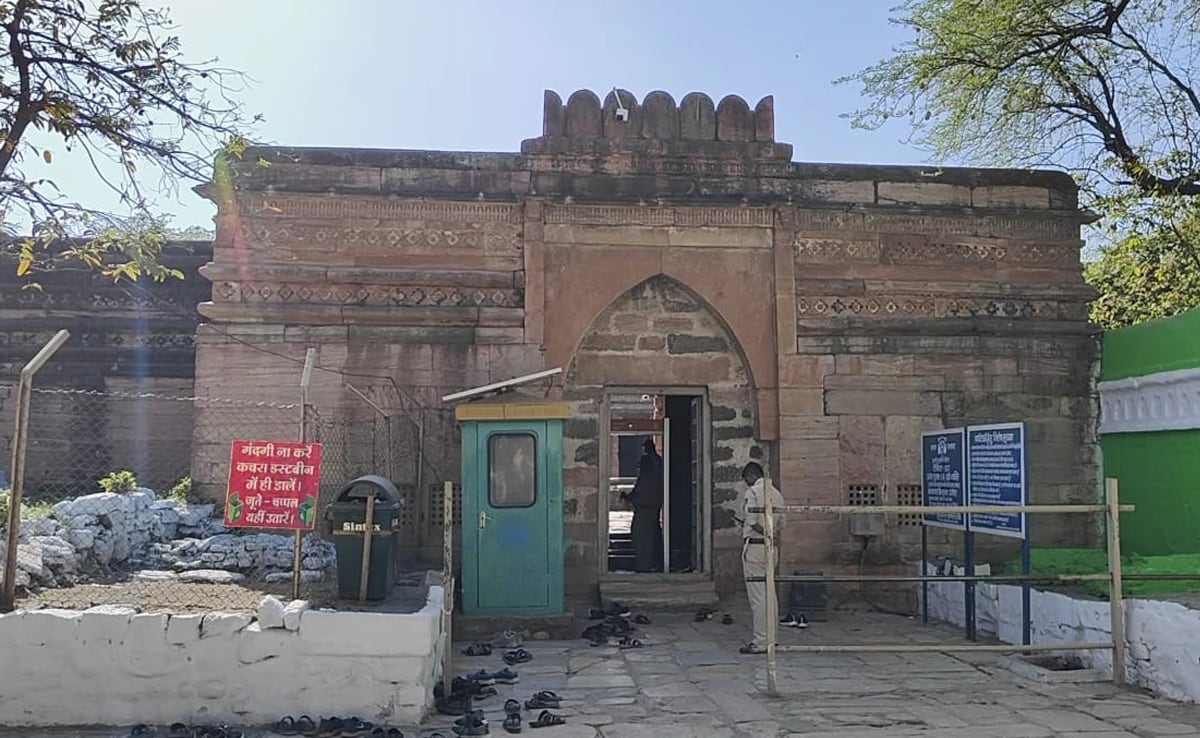
Madhya Pradesh Chief Minister Mohan Yadav on Monday announced that the historic Bhojshala site will be turned into a major political, cultural and developmental centre.
The chief minister’s comments come days after the Madhya Pradesh High Court declared the disputed complex a temple dedicated to Goddess Saraswati.
Yadav, who performed a puja at the Bhojshala complex on the day, said the state government will construct a grand “Maa Saraswati Lok” within the complex and establish a Raja Bhoj Research Institute in Dhar.
He said the government will ensure strict compliance with the High Court’s order and work with the Archaeology Department to revive the historic and intellectual legacy associated with Bhojshala.
The announcement comes 10 days after the Indore Bench of the Madhya Pradesh High Court, on May 15, 2026, declared the Bhojshala complex to be a Hindu temple dedicated to Maa Saraswati and effectively ended the earlier ASI-arranged shared worship system, under which Hindus offered prayers on Tuesdays and Muslims offered Friday namaz. The Muslim side has now challenged the High Court order in the Supreme Court.
Yadav called the verdict the culmination of a 750-year-long struggle and said a “new era” had begun in Dhar. He said Bhojshala, associated with Raja Bhoj, was not merely a structure of stone but a symbol of India’s ancient intellectual tradition, a place where Sanskrit, science, research, and scriptural debate once flourished.
The chief minister linked his announcement with Dhar’s larger development roadmap. He said the land of Raja Bhoj would now witness holistic development from heritage revival to water conservation and industrial growth. Invoking Raja Bhoj’s legacy as a pioneer of water management, he referred to Dhar’s old identity as the “City of Ponds,” where interconnected water bodies were designed so that excess water from one pond flowed into another.
Monday’s visit was the chief minister’s first visit to the complex after the High Court verdict.
Hindu groups have long claimed the Bhojshala complex as the ancient seat of Maa Vagdevi and a Sanskrit learning centre linked to Raja Bhoj. Muslim petitioners have identified it with the Kamal Maula Mosque tradition. Surveys and historical records have noted Hindu iconography as well as Persian and Arabic inscriptions, making the site one of Madhya Pradesh’s most contested heritage spaces.
The recent ASI survey reportedly recovered more than 1,700 artefacts from and around the complex, including statues, pillars, structural remains and fragments linked by petitioners to Hindu religious and educational traditions. The High Court’s verdict drew heavily on archaeological and historical material before reaching its conclusion, though the matter now awaits scrutiny before the Supreme Court.



