


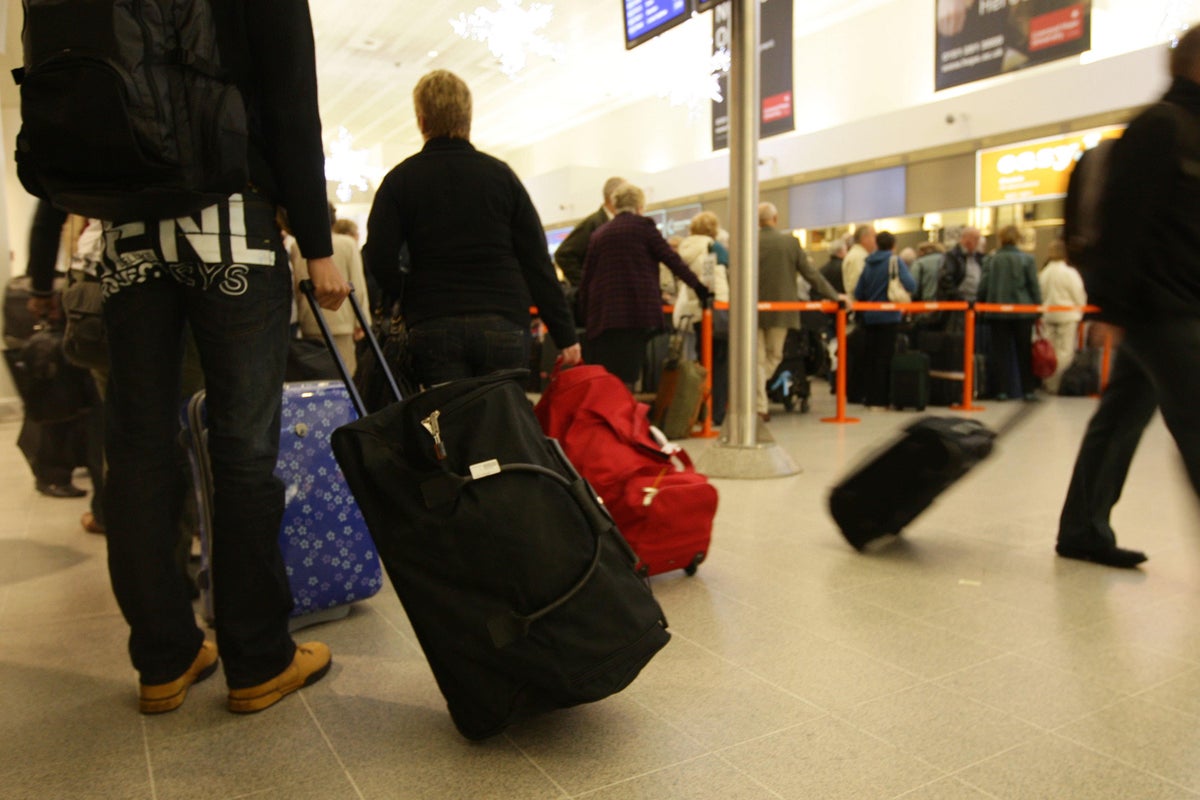
Manchester Airport has again been identified as the UK’s worst for flight delays, prompting concerns that travellers cannot book departing flights from the hub “with any real confidence”.
Analysis of Civil Aviation Authority (CAA) data reveals that flights from the country’s third busiest airport were, on average, 19-and-a-half minutes behind schedule in 2025.
This figure, despite a 30-second improvement from 2025, positioned Manchester as having the longest delays among all UK airports.
Issues such as air traffic control disruption and adverse weather can often contribute to flight delays – factors typically beyond the direct control of airport operations.
Rory Boland, the editor of the magazine Which? Travel, said that travellers’ choice of airport “shouldn’t make or break your trip”.
However, “too many holidays got off to a terrible start last year”, he said.
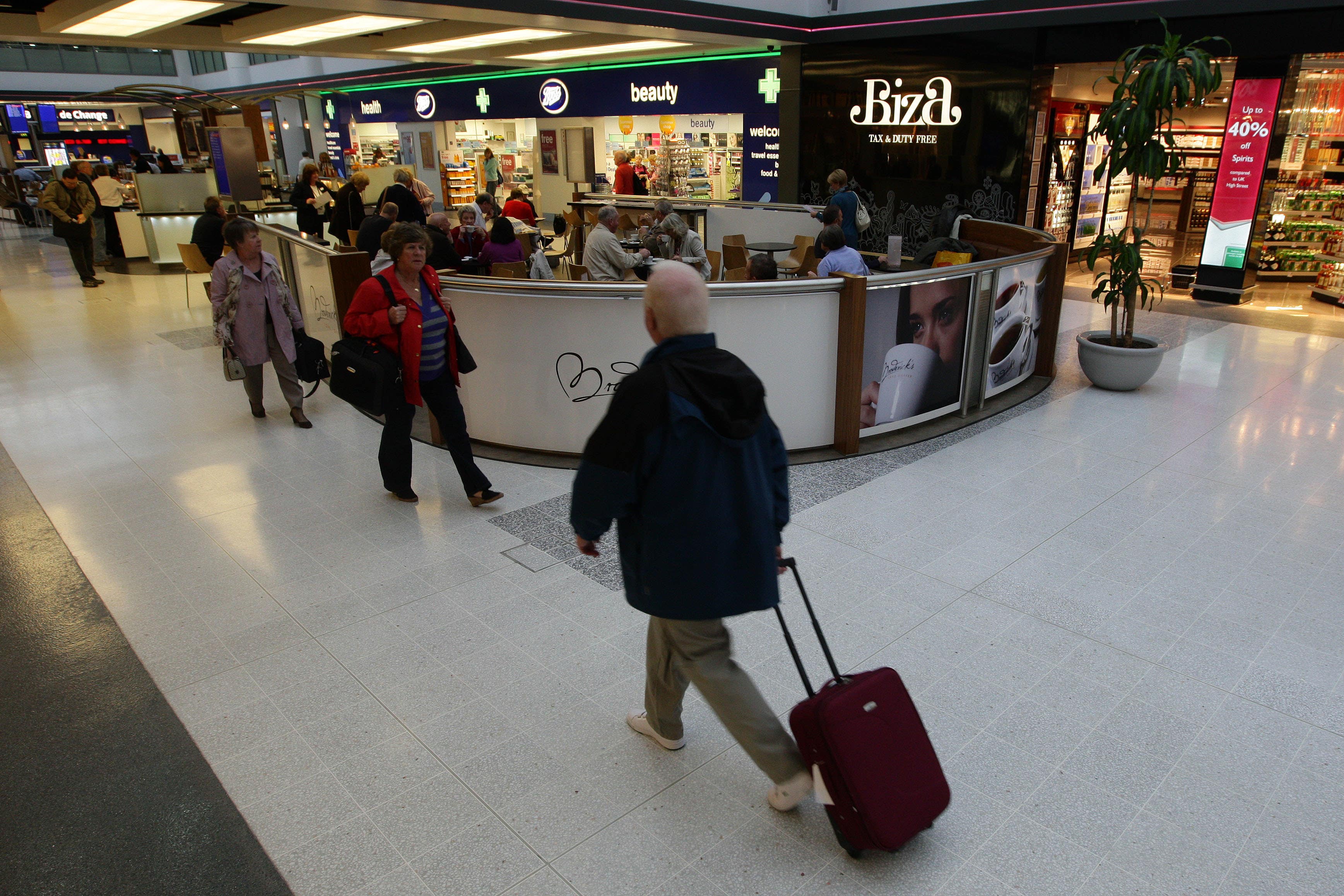
“Manchester Airport has ranked last in our airport survey for four consecutive years and these new CAA figures validate why this is a particularly poor place to be stranded during delays.
“For passengers already wary of travel uncertainty, seeing such consistent underperformance makes it difficult to book with any real confidence.”
Birmingham Airport had the second poorest flight punctuality in 2025, with an average delay of 18 minutes and 42 seconds.
In third place was Bournemouth Airport (17 minutes and 18 seconds).
Liverpool John Lennon Airport – less than 30 miles from Manchester airport – had the most punctual flights, recording an average delay of just nine minutes and 24 seconds.
The analysis took into account scheduled and chartered departures from the 23 commercial UK airports with at least 1,000 outbound flights last year. Cancellations were not included.

The average delay for departures in 2025 was 14 minutes and 54 seconds, down from 18 minutes and 24 seconds in 2024.
Manchester is the UK’s only two-runway airport other than Heathrow, and was used by 32 million passengers in 2025.
Its scheme to revamp Terminal 3 is ongoing, while a 10-year £1.3 billion transformation which included modernising and doubling the size of Terminal 2, and closing Terminal 1, was recently completed.
A spokesperson for the airport said: “Punctuality is affected by factors that are outside of an airport’s control.
“The two most significant factors contributing to delays in the last year have been industrial action affecting air traffic control in Europe, and the weather.
“These were exacerbated by airspace restrictions above conflict zones meaning airports with significant long-haul networks, like Manchester, were more significantly affected than others.
“As an industry we are working collectively to achieve the best possible on-time departure rates, while protecting flight schedules and avoiding the need for cancellations.”
A spokesperson for Bournemouth Airport said the reason for delays are outside its control “in the majority of cases”, and it is “one of the UK’s top-ranked regional airports for passenger satisfaction”.
Birmingham Airport did not respond to a request for a comment.

Depending on the distance of the route and length of delay, passengers booked on delayed flights from UK airports are entitled to assistance such as a reasonable amount of food and drink, a means to communicate and overnight accommodation if required.
Airlines often fail to provide this during major disruption as they are overwhelmed by requests.
Passengers may also be able to claim compensation of up to £520 from the airline if the reason for the delay is deemed within its control, which could be a fault with the aircraft or pilot sickness.
ATC issues are considered to be an “extraordinary circumstance”, meaning that affected passengers are not entitled to payouts.
Anna Bowles, head of consumer at the CAA, urged the aviation industry to be “focused on delivering punctual and reliable journeys for passengers wherever possible” and warned that delays have a “real impact for people heading off on holidays”.
She added: “When disruption occurs, how the industry responds really matters.
“Passengers should be kept informed and given the care and support they are entitled to.”
A spokesperson for trade body AirportsUK said passengers are “benefitting from improvements in the service they receive”, and delays in 2025 were “down significantly on the previous year”.



