


Nepal is urging international travellers not to abandon the Himalayan country at a time when it needs foreign revenue to tide over economic losses caused by last week’s devastating flash floods.
A cataclysmic deluge caused by a glacier collapse on the Nepal-China border swept away entire communities, killing at least 1,114 people and leaving nearly 4,000 missing, as of Wednesday’s count.
Across the border in Tibet, Chinese authorities have so far confirmed 16 people dead and 546 missing.
Among those missing in Nepal are 583 foreigners from 38 countries, including 85 Americans, 36 Brits, and nearly 250 Indians.
On Tuesday, Nepal’s tourism minister published a video urging foreigners to support the country’s tourism-dependent economy during this difficult period. “Our mountain trails and trekking routes are still waiting for you,” Khadakraj Paudel said.
“Your coming to Nepal this time does not mean only a holiday. It’s a big support to the country fighting this catastrophic tragedy of flash floods.”
Mr Paudel stressed that only some areas of Nepal had been affected by the floods and that airports, hotels and tourist destinations remained open.
“Please do not take Nepal off your travel list if you have already planned a trip,” he said. “Your visit will help sustain our tourism industry. It’ll help our guides, hoteliers and all the workers whose livelihoods depend on tourism.”
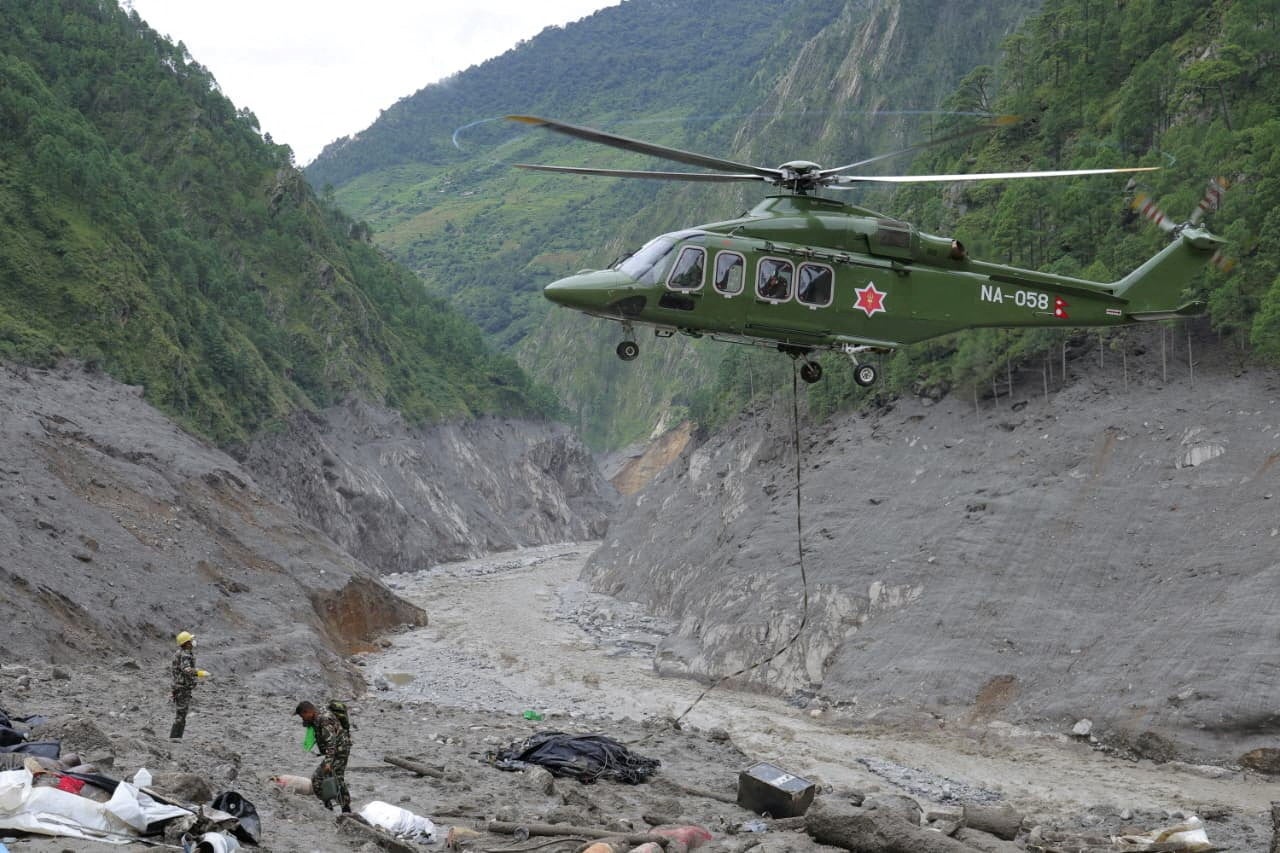
The floods and landslides ravaged entire towns and villages, leaving swathes of scenic areas buried under thick layers of sludge, mud and debris that could take months, or even years, to clear.
The torrents levelled buildings, swept away bridges and highways, and damaged major hydropower stations.
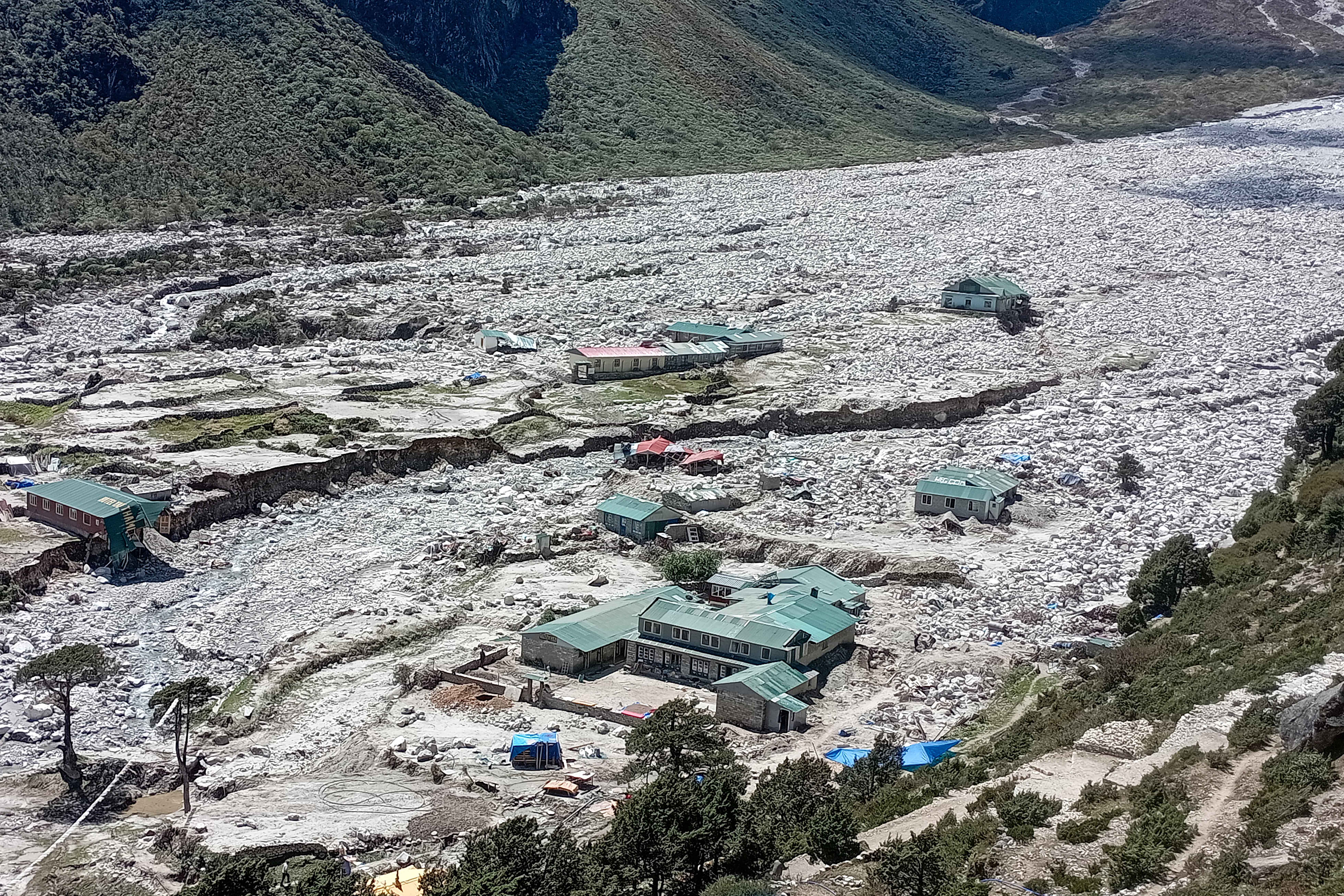
The disaster is estimated to have caused more than 50bn rupees (£243m) in losses to the tourism sector.
Mr Paudel told a parliamentary committee the country had lost 142 hotels, 57 restaurants, and 141 vehicles associated with tourism businesses and 27 heritage sites.
He called on tourism businesses to submit reports detailing the damage they had suffered in the disaster.
In total, the country suffered an estimated $5bn in damage from the floods, equivalent to about a 10th of its annual economic output. The floods have directly hit key drivers of Nepal’s economy, particularly tourism and hydropower, in which the country has invested heavily over the past decade.
Tourism is the country’s third-largest source of income, drawing international visitors to some of the world’s highest mountain peaks, including Mount Everest. More than a million foreign tourists visited Nepal in 2025. The industry supports the livelihoods of millions of people and generates billions of dollars in revenue.
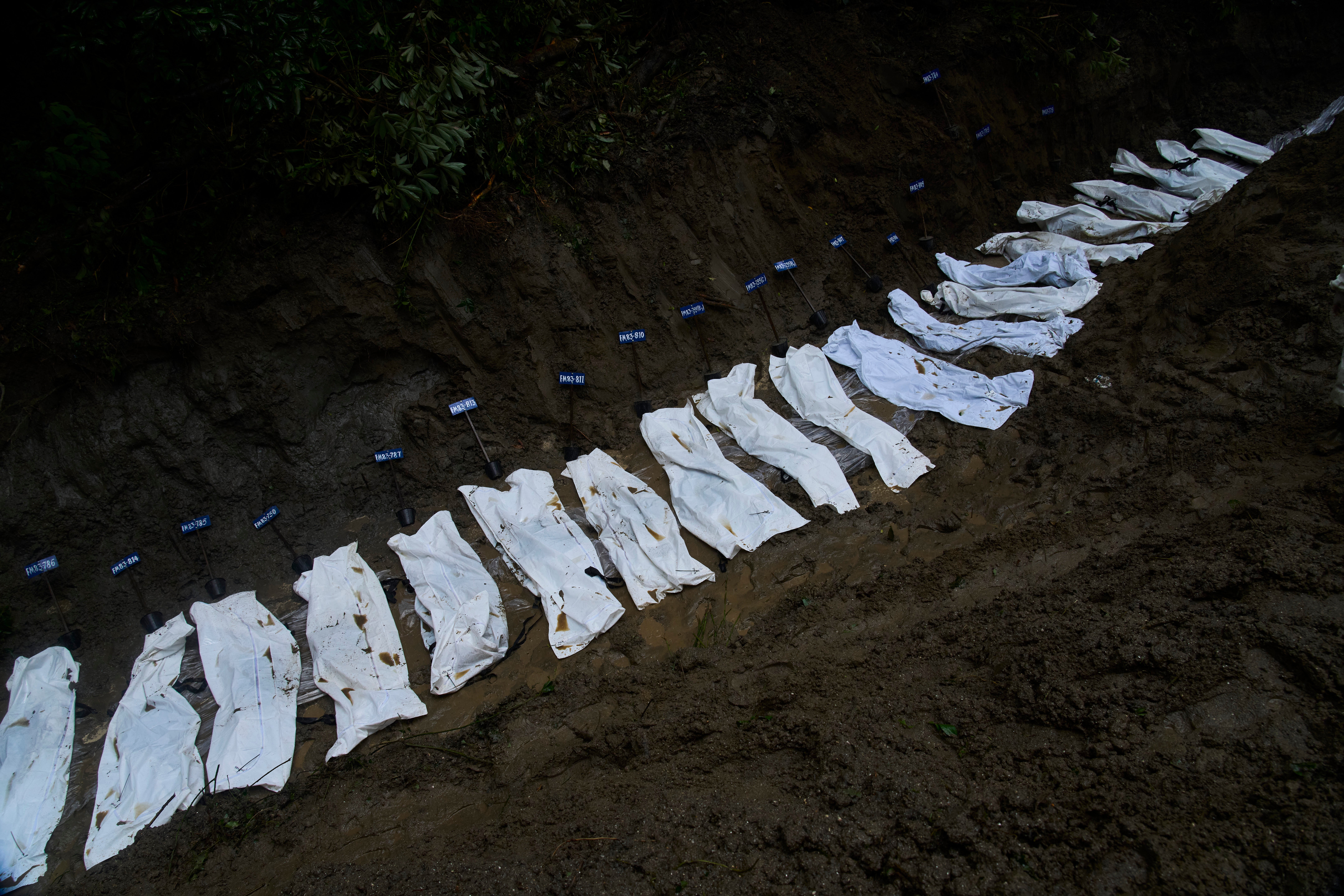
China was preparing to send a second team of DNA identification experts and a third batch of emergency supplies to Nepal, including Bailey bridges, mortuary refrigerators and communications equipment, its foreign ministry said on Wednesday.
Beijing said it was in close communication with embassies of the nearly 20 countries whose citizens, at least 261 of them, were still missing. It also said that stranded border residents and pilgrims were now being evacuated through land and air ports.


