


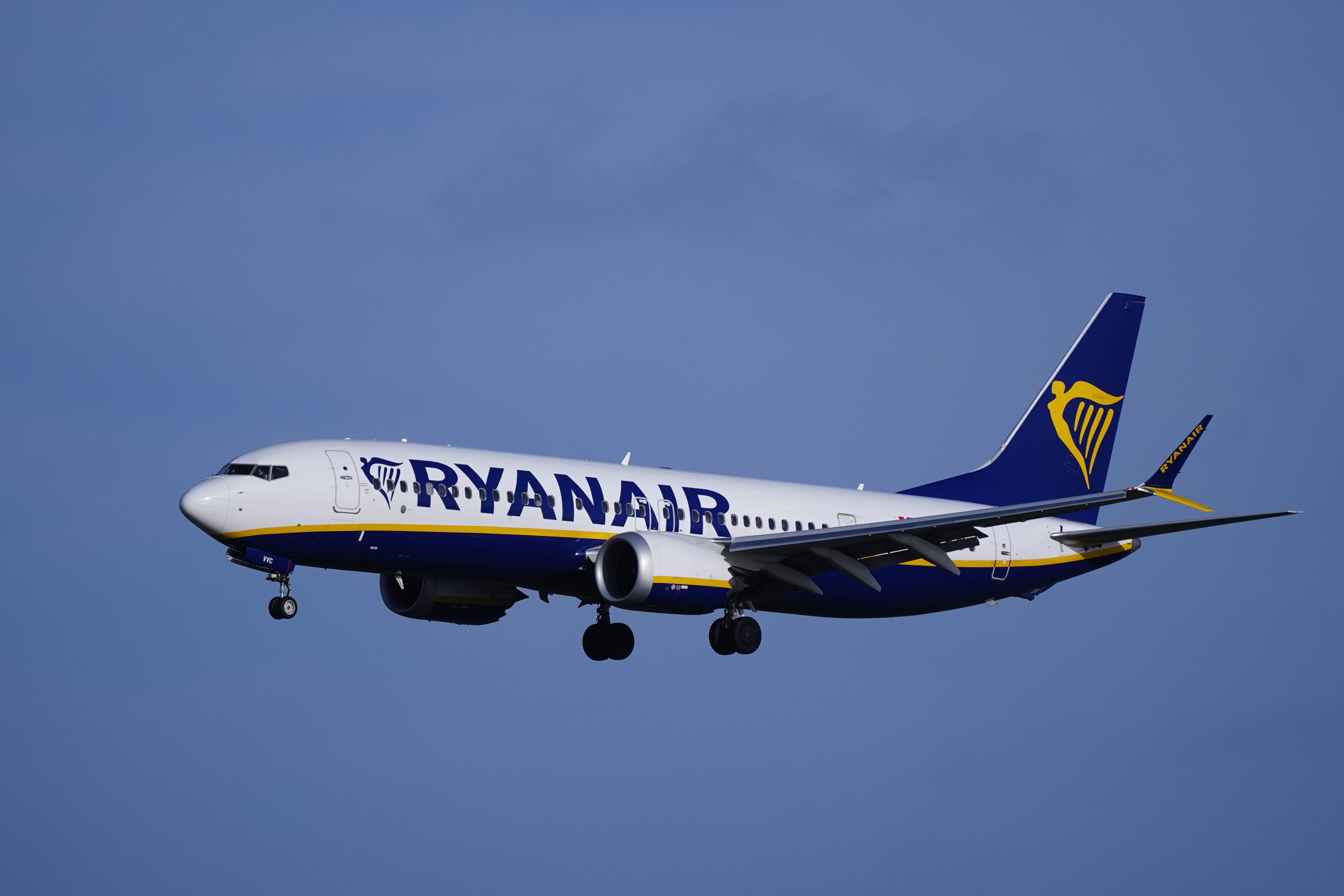
Ryanair has reported a significant slump in its quarterly profits, with figures falling by more than a third, as the budget airline grappled with a doubling of jet fuel prices and a strategic decision to lower fares.
The Irish carrier announced a 34 per cent drop in after-tax profits, reaching €538 million (£457 million) for the three months ending in June.
This downturn was primarily attributed to surging jet fuel costs, which impacted the 20 per cent of its fuel requirements not covered by hedging agreements, alongside a 6 per cent reduction in average fares.
Jet fuel prices soared to $150 (£111) a barrel during the quarter, a direct consequence of the Iran conflict disrupting global oil and gas supplies, particularly through the crucial Strait of Hormuz.
Chief executive Michael O’Leary explained that the airline proactively reduced fares “as the Middle East conflict led to consumer hesitancy, concerns about EU jet-fuel shortages, economic uncertainty and later bookings.”
Despite these considerable headwinds, Ryanair did see passenger numbers grow by 6 per cent to 61.3 million, contributing to a modest 1 per cent rise in overall revenues, which reached €4.38 billion (£3.72 billion).
However, these gains were ultimately insufficient to offset the substantial cost pressures and fare adjustments.
This helped send Ryanair’s operating costs jumping 11% higher to 3.42 billion euro (£2.9 billion) in the quarter.
An interim peace deal between the US and Iran last month brought some brief respite to oil and energy prices, but they have spiked higher once again as negotiations have broken down and fighting resumed.
Mr O’Leary said it was too early to give a full-year outlook for the airline’s results, which the outcome “highly sensitive to adverse external developments, including conflict escalation in the Middle East and Ukraine, the price of unhedged jet-fuel, macro-economic shocks and continuing European air traffic control strikes and mismanagement”.
The Dublin-based airline said fares are continuing to come down “modestly” in the second quarter, despite a recent slight rise in bookings, with passengers continuing to book flights close to departure.
“While summer 2026 volumes are strong, the booking window remains closer-in than last year which further reduces visibility,” said Mr O’Leary.
“As is normal this early in the year, we have zero second half visibility so it remains far too early to provide any meaningful full-year 2026-27 profit after tax guidance.”


