


Hey readers,
Two news stories this week have made me feel bad about the world. First, the ceasefire between Iran and the US broke down – renewed attacks, infrastructure damage and loss of many innocent lives. Second, rain flooded many Indian cities – trees uprooted, roads blocked, internet shut, and many people died. They showed how difficult survival can become in times of stress.
Although these stories are extreme, I ended up writing about economic survival without even planning it this week.
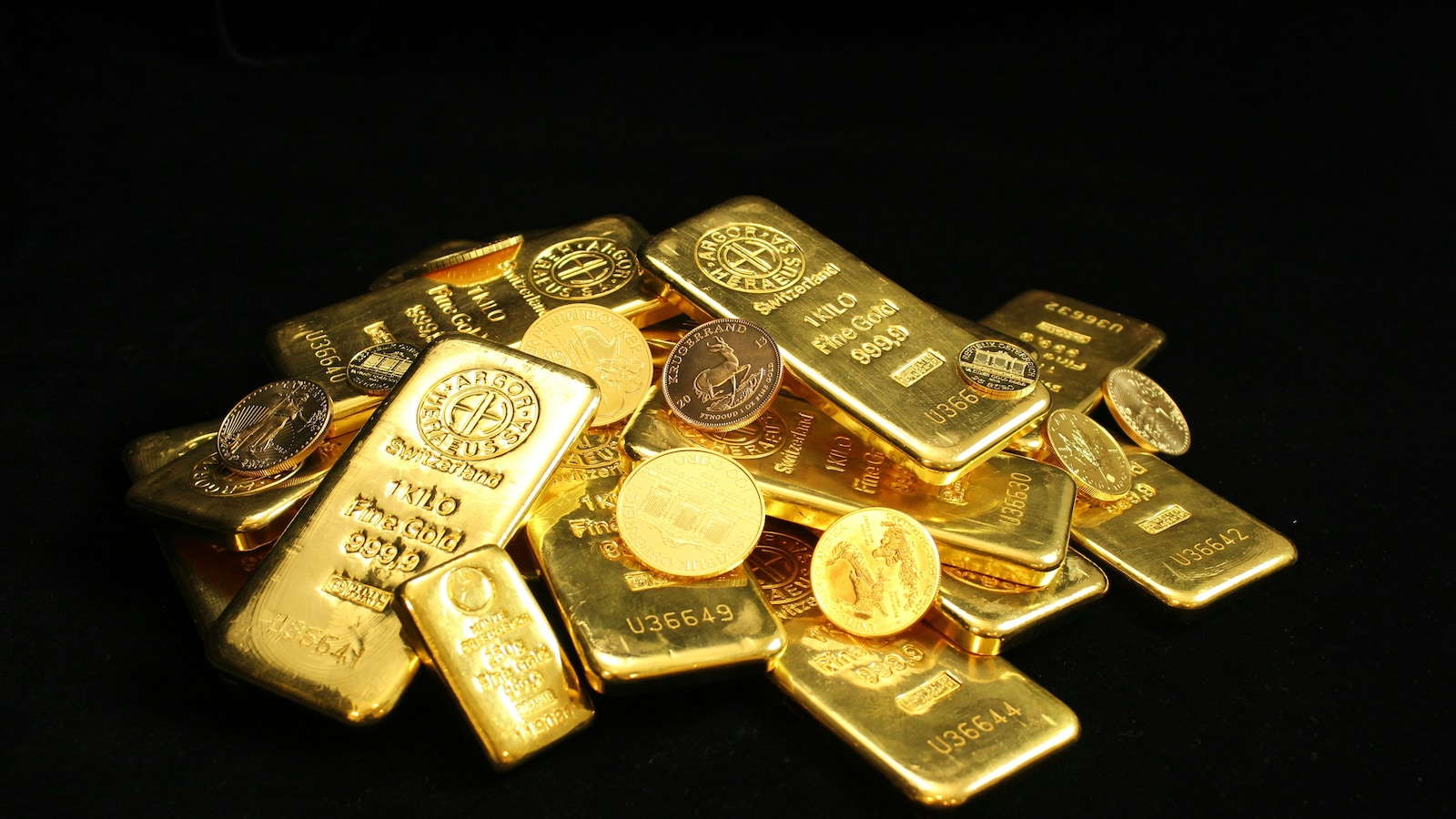
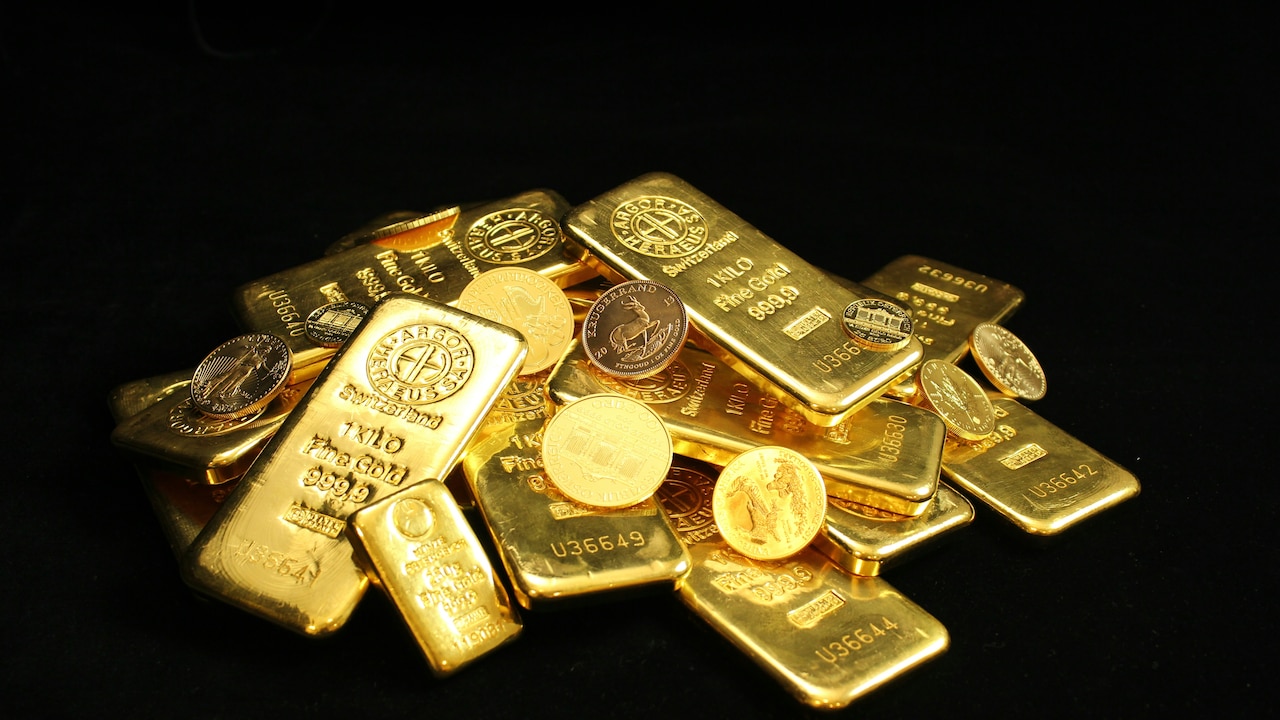
We all say that gold is a safe-haven, and that means selling it will help you in stressful times. This is gospel. Having said that, finance professionals keep saying that gold prices rise during periods of stress because equities underperform, gold acts as an inflation hedge, and a perfect diversifier. In these conversations, they assume people will keep buying gold as uncertainty rises, pushing its value even higher. But we forget its real use: one can sell it when needed. And this time, people sold gold not because it had stopped being safe, but because people needed cash. Read more: ‘Et Tu, Gold’? Cash Crunch Sparks Massive Correction In The Ultimate Safe Haven.
China’s survival instincts aren’t that desperate. But it’s a kind of survival, in a way. We all know how China is threatening the US-based world order, including payments and settlement systems, currency dominance, technological edge, and so on. But it also knows that it’s not easy to replace the US. So, in a world where every commodity is priced in dollars, China wants, at least one commodity (for now), to be quoted in yuan. Instead of competing in mature commodities markets, it is starting with something new, still unorganised and where China already dominates its supply chain. That’s “Lithium: China’s New Bet For Yuanisation.”
And then there’s the story where survival failed. Japan recorded its highest first-half bankruptcy count in 12 years. Over 5000 firms, most of them small and medium enterprises, had to shut down in the first six months of this year. Although headlines made the ‘weak yen’ the main villain, the real reason was ‘poor sales.’ Rising raw material and food prices have squeezed not only consumers but also businesses. Families are tightening their budgets and avoiding big-ticket purchases, impacting corporate revenue. Read more: Japanese Companies Are Going Bankrupt Again.
Selling gold to survive the moment, setting new benchmarks to survive the next world order, and not surviving at all; these are interesting ways people, firms and countries adapt under stress.
If you made it this far, I’d love to hear from you.
Which of these stories stayed with you? What stories can you share around these topics?
And more importantly, what should I dig into next?
An everyday object, a policy, a price that suddenly changed, a trend that’s growing around… send it my way. Just hit reply. I read everything.
Cheers, Swapnil
Disclaimer: The views expressed in this article are solely those of the author and do not necessarily reflect the opinion of NDTV Profit or its affiliates. Readers are advised to conduct their own research or consult a qualified professional before making any investment or business decisions. NDTV Profit does not guarantee the accuracy, completeness, or reliability of the information presented in this article.
ALSO READ: Japanese Companies Are Going Bankrupt Again | The Reason Why
Essential Business Intelligence,
Sharp Market Insights,
Practical Personal Finance Advice, Daily Fuel, Gold and Silver Prices and Latest Stories — On NDTV Profit.



