


New Delhi:
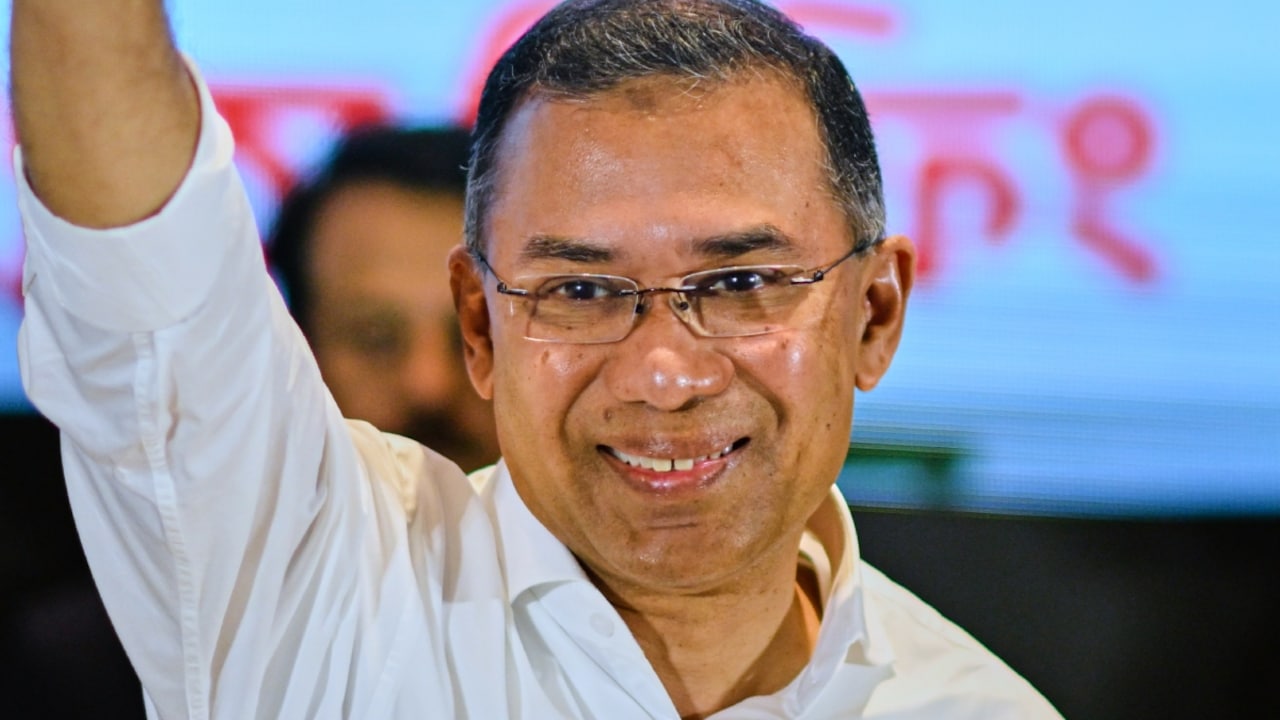
For a few days last week, it looked as though Tarique Rahman’s visit to New Delhi was finally happening.
The dates were reportedly set for the third week of August, ahead of the BRICS summit. Officials on both sides were moving pieces into place. Preparations appeared to have moved beyond the planning stage and into execution, or at least that is what a now-withdrawn press release from Rashtrapati Bhavan appeared to suggest.
Then, at the last moment, the whole thing fell apart, as per sources in Dhaka and diplomatic circles.
There was no announcement, just a reversal and confusion. Back-channel talks have not stopped, sources say, but the visit itself is now in limbo. And the reason is what is happening inside Dhaka.
The immediate sticking point is Sheikh Hasina. Bangladesh wants her extradited, and its Foreign Ministry spokesperson, AKM Shahidul Karim, made the demand a condition for Rahman’s visit in a statement on Sunday.
But the extradition demand also exposes a deeper problem: Bangladesh’s political establishment has yet to agree on how it wants to deal with India, while opposition parties are pushing the government to take an increasingly hard line.
Nahid Islam, the NCP’s founding convenor and a prominent figure in the student movement that forced Hasina from power, has said there should be no move towards normal diplomatic relations with India until the extradition issue is resolved. He has also spoken of a “democratic South Asia” while rejecting the idea that Bangladesh and India share a common political future.
Islam criticised the Foreign Ministry’s initial response to Hasina’s press conference in Delhi on August 5, arguing that the government had been too soft. Within days, the ministry adopted considerably tougher language, including the conditions attached to Rahman’s proposed visit.
The pressure is not coming only from outside the government. There are also differences within the administration over how Dhaka should deal with New Delhi.
Foreign Affairs Adviser Humayun Kabir and Foreign Minister Khalilur Rahman are both involved in shaping Bangladesh’s India policy, but their public positions have not always appeared to move in the same direction. When India’s High Commissioner Dinesh Trivedi met Kabir on August 3, Kabir reportedly pressed the extradition issue more forcefully than the Foreign Ministry had in its statement following Trivedi’s earlier meeting with the foreign minister.
Two senior officials dealing with the same bilateral relationship, but projecting different levels of pressure, is a sign of a government still working out its position.
Trivedi, meanwhile, has been active on both fronts. He has met the foreign minister and Kabir this month and is increasingly seen in Dhaka. His meeting with Rahman last week was followed by a quick return to Delhi, where he met Prime Minister Narendra Modi.
There is, however, a more pragmatic strand within Bangladesh’s establishment. The Foreign Ministry and bureaucracy have repeatedly pointed to issues that require working relations with India regardless of the political temperature.
Illegal migration remains one. So does the management of the 54 transboundary rivers shared by the two countries. The Ganges Water Treaty is an even more immediate concern. It expires in December, and there is still no clear path towards an extension, particularly as the two prime ministers have yet to sit down together.
One source in Dhaka said that the government wants a workable relationship with India but is frustrated that New Delhi has not managed to keep Hasina from making political statements from India. The source said: “First keep Hasina quiet, and then we can talk.”
The argument is that Hasina can remain in India as a private citizen, but should not be allowed to continue addressing supporters and influencing politics in Bangladesh. India’s description of her August 5 press conference as a “private event” has done little to satisfy Dhaka.
Not everyone within Bangladesh’s ruling establishment is pushing for confrontation. Mirza Fakhrul, Bangladesh’s president and the BNP’s former general secretary, has been among those favouring a more stable relationship with India rather than an escalation of tensions. Others, however, appear more attuned to a domestic political mood in which anti-India sentiment and demands for Hasina’s return continue to carry considerable weight.
India, for its part, has also adjusted its language. MEA spokesperson Randhir Jaiswal, speaking on Tuesday, described India’s approach to the relationship in terms of “reciprocity”.
It suggests that New Delhi does not intend to absorb pressure from Dhaka without expecting something in return.
Political analyst Mubashar Hasan has argued that Rahman’s tougher public position may have less to do with India itself than with domestic political calculations. Taking a hard line allows the government to demonstrate that it will not bend to New Delhi.
That may work politically in the short term. But Hasan warned the approach risks becoming reactive rather than strategic. The longer the confrontation continues without a clearly defined policy, the greater the possibility that Bangladesh loses room to manoeuvre and New Delhi gains it.
For now, nothing is settled. Rahman’s press secretary has told PTI that no final decision has been taken on the India visit. Dhaka is also waiting for New Delhi’s response to its extradition request for Hasina and what it describes as other “fugitive criminals” believed to be in India.
Then there was the episode at Rashtrapati Bhavan. An email referred to rehearsals for a “ceremonial welcome” for Bangladesh’s prime minister, only for the release to be withdrawn soon afterwards. It highlighted just how far preparations may have progressed before the political brakes were applied.
That leaves the Rahman visit caught between competing pressures.
The government needs India for practical reasons. Opposition forces want a harder line. The Hasina question has become a test of sovereignty and domestic political credibility. And officials within the administration do not appear to be entirely aligned on how much pressure Bangladesh can, or should, put on New Delhi.
The talks may continue. The visit may yet be revived. But the larger question is no longer simply whether Tarique Rahman will travel to New Delhi. It is who, in Dhaka, gets to decide what Bangladesh’s relationship with India is supposed to look like.


