


Italy has set serious heat alerts for almost all of its major cities and central European countries are also predicted to feel the effects of high temperatures across the weekend.
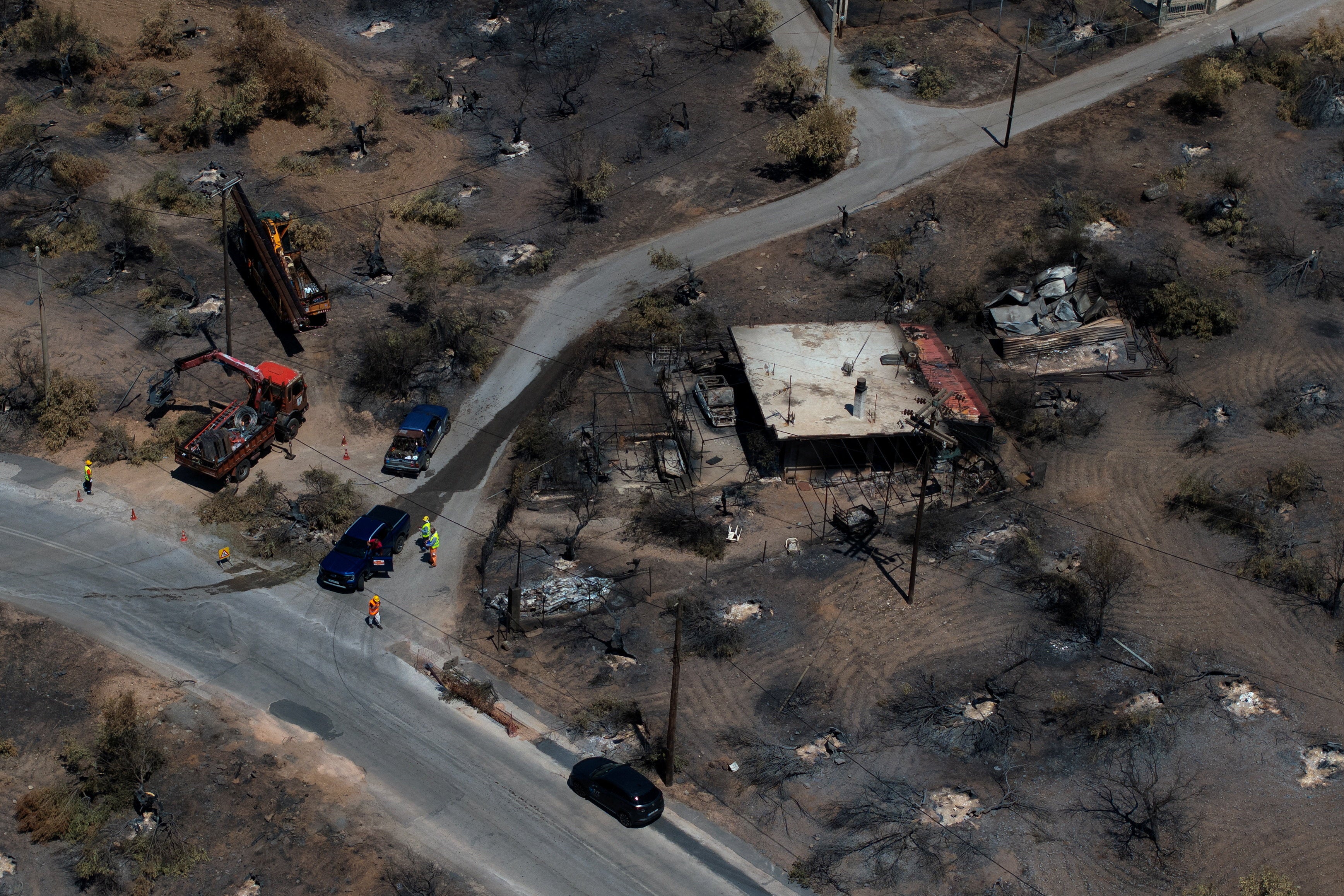
The heatwaves and droughts across the continent have created ideal conditions for wildfires to spread in recent weeks, hitting France, Spain and Greece the hardest.
Hundreds of thousands of people have evacuated their homes, and firefighters battling the blazes have lost their lives. Houses, forests and communities have been destroyed.
Temperatures have now started to soar in central Europe, with both Slovakia and Austria breaking all-time heat records, while infrastructure is being affected in several countries as water levels on the Danube river reach record lows.
Ahead of a trip to Europe, here is everything you need to know about the risk from wildfire and heatwaves.
Read more: Can you cancel a holiday during a heatwave or wildfire and get a refund?
Which tourist destinations are experiencing heatwaves?
Italy
Italy’s health ministry has put all but one of its major cities on its highest heat alert for Friday, 7 August, as temperatures are forecast to reach maximums close to 40C as the country’s fourth heatwave intensifies.
Latina, a city in the Lazio region, is expected to reach a maximum temperature of 40C on Friday. Meanwhile, popular tourist destinations are also expected to feel the effects of high temperatures over the next few days.
Over the weekend, Florence and Naples will see maximum temperatures of up to 39C, Milan and Rome will reach up to 38C, and Venice and Palermo up to 37C.
All these cities, apart from Milan and Venice, will remain on the highest “red” alert over the weekend. Meanwhile, eight cities will be downgraded to “orange” or “yellow” alerts as the temperatures subside.
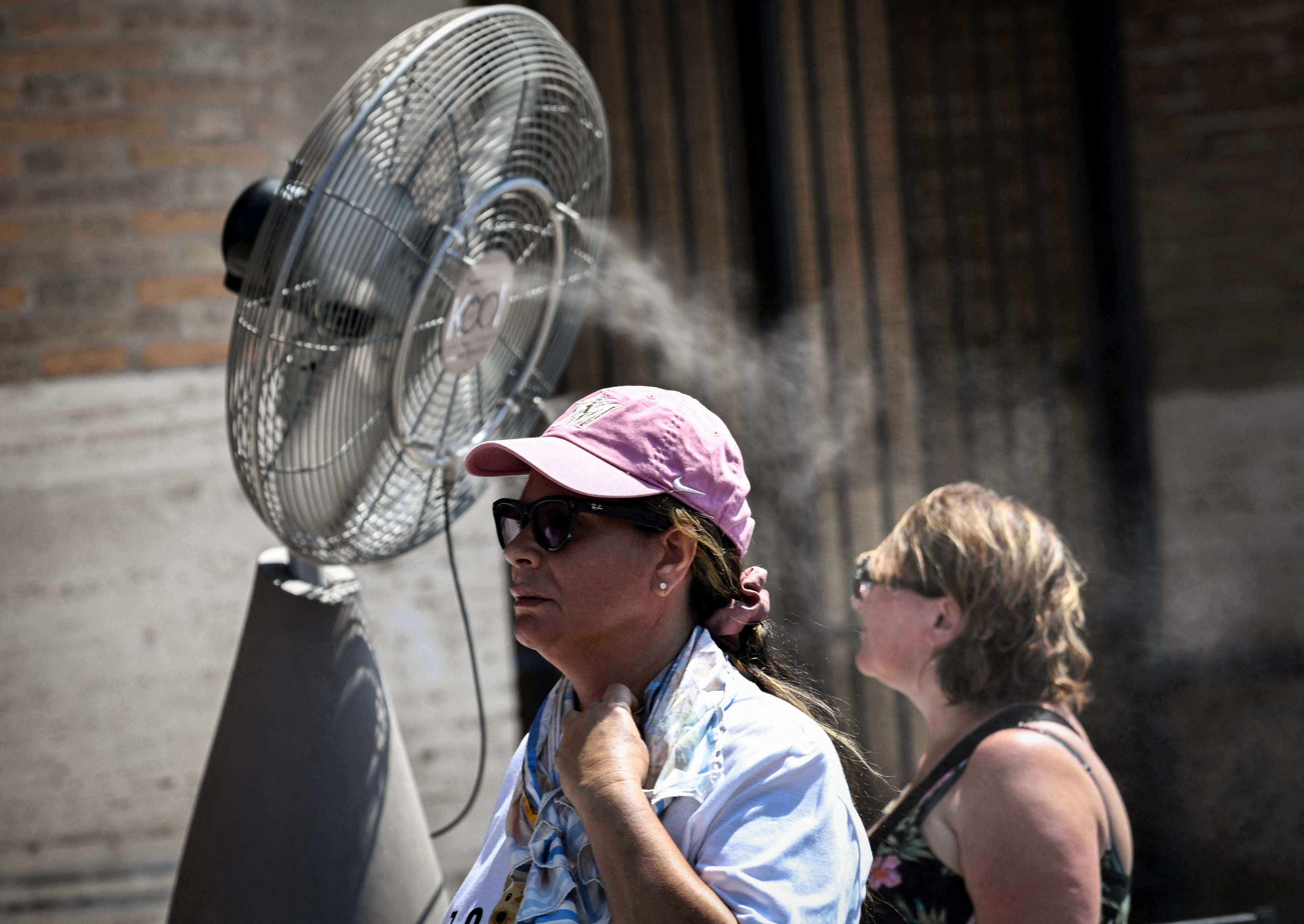
Throughout August, the Italian ministries of culture and tourism have launched an initiative to keep major Italian museums open for up to four hours longer.
The initiative includes three of Italy’s major attractions, the Colosseum and the Pantheon in Rome and Sforza Castle in Milan.
Cooling mist fans and additional medical stations have also been installed at the Colosseum’s entrances, while a free urban “beach” has been set up along the Tiber River for people to cool off.
Central Europe
Slovakia broke an all-time high temperature record on Thursday, with its meteorological institute recording 42.2C. Meanwhile, Austria also broke its highest temperature ever recorded after experiencing 41.2C on Wednesday in the spa town of Bad Deutsch-Altenburg.
The Danube, which flows through 10 European countries, has been reduced to record low water levels. The scarcity has forced Slovakia’s biggest hydroelectric power plant to shut down.
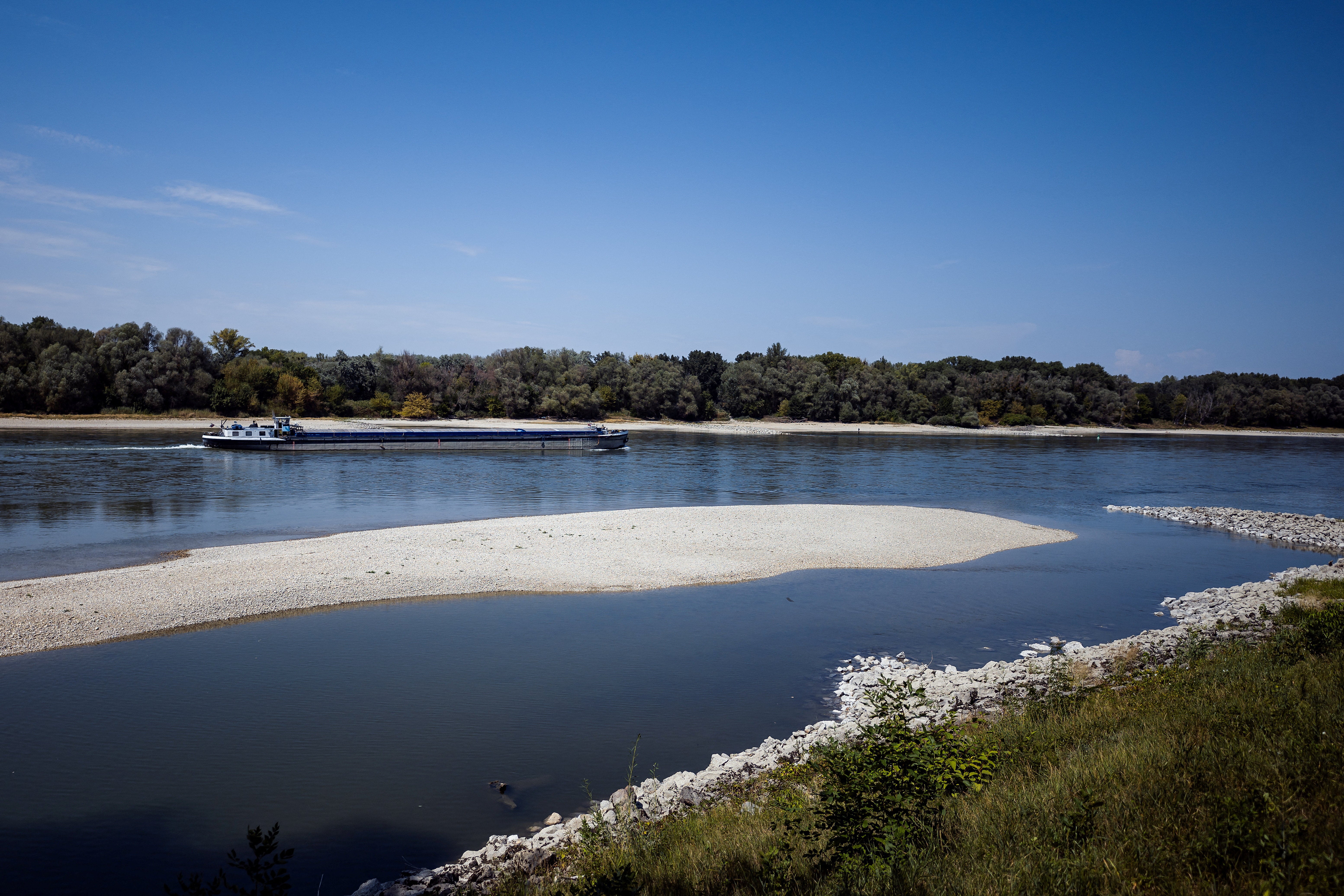
The low water levels have also caused issues in Hungary, affecting the only nuclear power plant that uses the Danube to cool its reactors.
As a result, Hungary has switched off decorative and non-essential lighting at night at all state institutions, including in the major tourist city of Budapest, such as at its parliament, most of the Buda Castle and Chain Bridge.
Cruise ships have been stranded north of Budapest and forced the suspension of sightseeing trips on the river.
Balkans
Tourists in Bosnia made headlines after taking shelter from the heat in the Unesco-listed Vjetrenica cave, which stays constantly cool at 11C. The cave is only 15 miles away from Dubrovnik, making it a popular spot for Croatian tourists.

Tourists in Dubrovnik have been advised to avoid beaches during the hottest hours of the day in favour of shade. The Croatian meteorological agency currently has dangerous weather warnings in the Dubrovnik, Split and Rijeka region over the weekend.
France, Spain and Greece
France, Spain and Greece have been among the most affected by high temperatures, leading to widespread evacuations during perilous wildfires.
France has cooled off compared to last week, but some regions in the southeast are still under an “orange” heat alert, with maximum temperatures generally between 35 and 39C, with possible peaks of 40C in Gard and Var.
Local media is reporting that a fifth heatwave is expected in France next week.
Every region in Greece aside from the Cyclades is currently under a yellow weather warning as temperatures remain in the high 30Cs.
Last week, residents and tourists were evacuated from Cretian towns such as Kyra Vrysi, Agia Galini and other nearby villages as high winds pushed the fire out of control near popular tourist spots.
A large portion of central, southern and eastern Spain is under yellow or orange weather warnings on Friday and Saturday, but it is expected to largely cool off by Sunday apart from a small number of yellow weather warnings on the mainland and the Balearics.
Read more: Can you cancel a holiday during a heatwave or wildfire and get a refund?



