



Want to bookmark your favourite articles and stories to read or reference later? Start your Independent Membership today.
Already a member?
Log in
British holidaymakers heading to Tenerife face fresh fines of up to €3,000 under a new crackdown to protect the island’s coastline.
Smoking, playing loud music that disturbs fellow beachgoers, as well as a string of other activities have officially been banned by La Laguna City Council, who passed the motion last Wednesday (7 October).
Camping, overnight stays, and leaving litter are also now prohibited, while visitors are not allowed to use speakers or other sound equipment – except during emergencies or officially authorised events.
The clampdown, which also bans visitors from using soap, shampoo or other hygiene products in public showers and bathing areas, covers all the beaches and natural pools on the coast of the municipality. This includes Bajamar beach and its adjoining natural swimming pool, as well as the natural pools of Jover in Tejina, La Barranquera in Valle de Guerra and El Arenisco in Punta del Hidalgo.
Tenerife’s latest beach ban comes into effect
Mayor of the Consistory, Luis Yeray Gutiérrez, says the new rules aim to create an “ideal balance” between the enjoyment of the bathing areas, the preservation of the marine environment and “citizen coexistence”.
La Laguna City Council describes the ban as a “fundamental tool” it can use to increase protection of these spaces while improving the safety and health and its entire coastline.
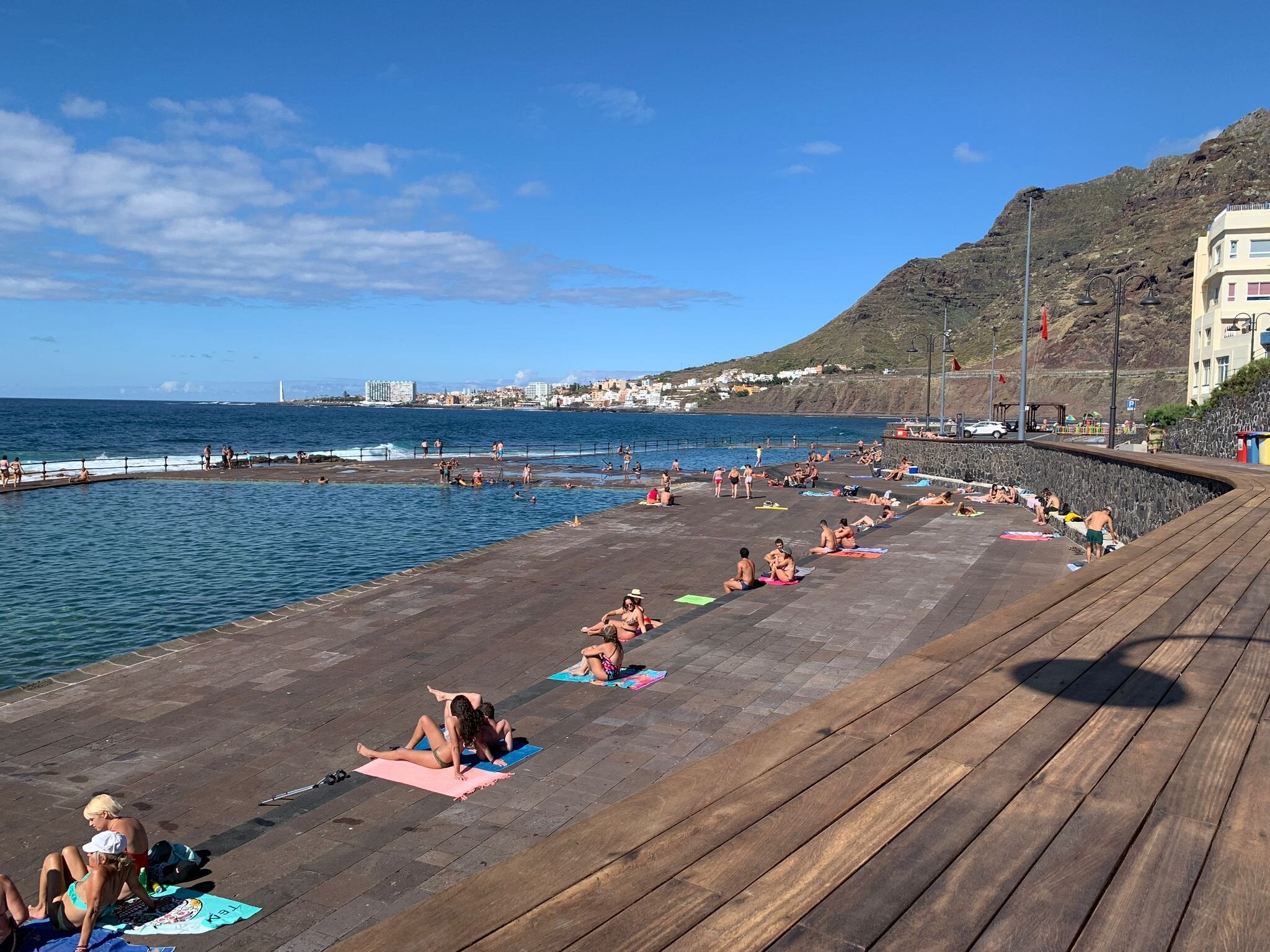
According to Spanish media, those found to be breaching the rules face fines of up to €3,000.
Alongside the ban, La Laguna City Council wants to boost its efforts to “eliminate architectural barriers” that limit the enjoyment for certain visitors. This includes making sure the coastline has adapted bathrooms and appropriate seating – particularly during peak seasons.
Tenerife’s €80m plan to clean up its coastline
The move comes as Tenerife aims to clean up its coastline with a €80m (£70m) plan, organised by all of the island’s municipalities to create “zero waste” on the island.
It comes after the hotspot has garnered heavy criticism for poor sanitation on their seafronts, with many beaches having been forced to close due to health concerns.
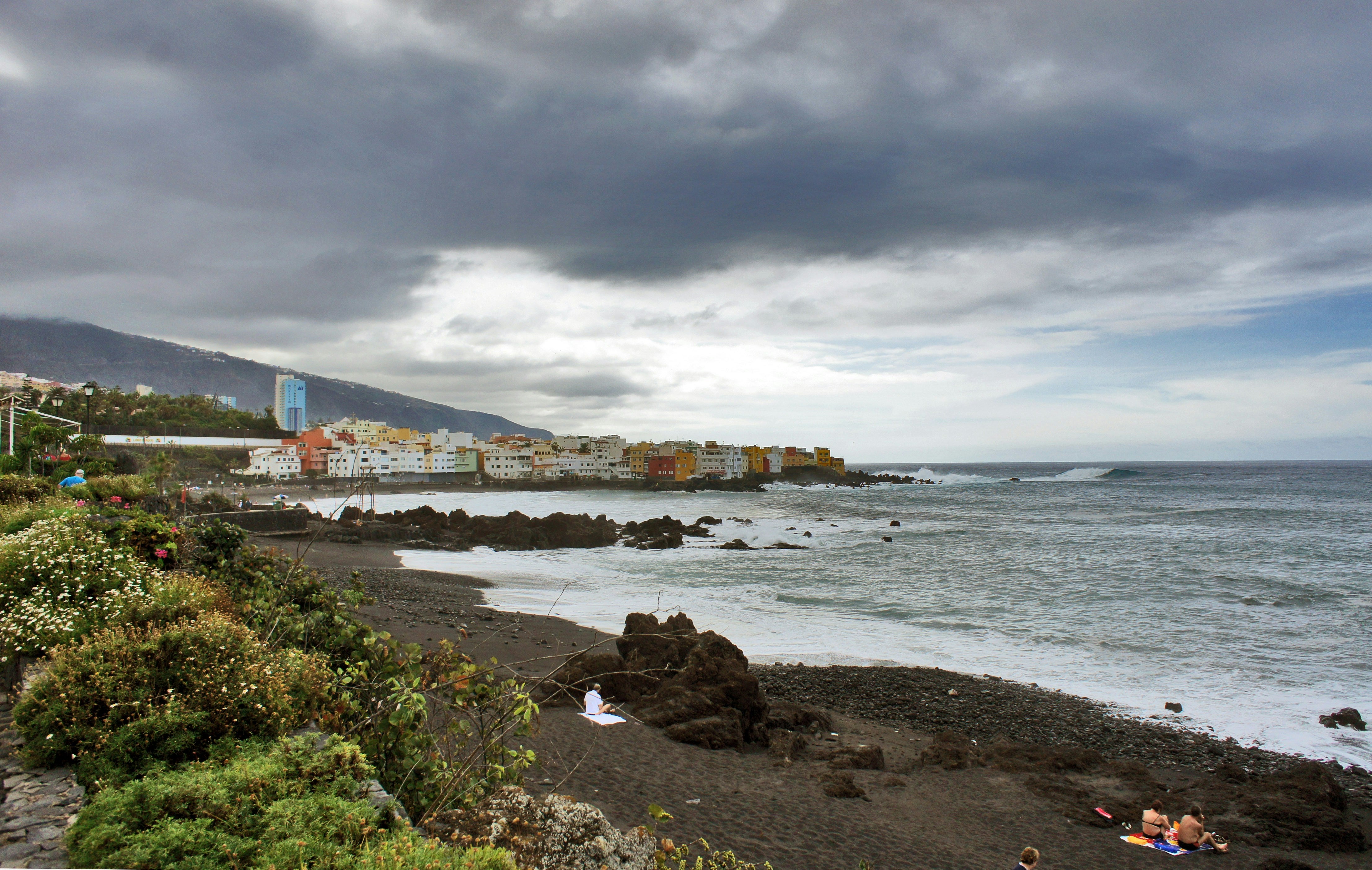
In their most recent annual report for 2025, Ecologistas en Acción (Ecologists in Action) revealed their rankings of the Spanish beaches in the most serious environmental conditions. Each year, the Banderas Negras (Black Flags) report hands out 48 black flags to beaches it believes are polluted or have poor environmental management.
Out of the 48 black flags,12 were handed out for spills, deficiencies in sanitation systems and serious wastewater treatment problems; nine for impacts on biodiversity and five for the accumulation of rubbish, plastics and microplastics on the coast.
In Tenerife, the organisation called out Playa Jardín, which it said was polluted from wastewater discharges due to the poor management of waste infrastructure.


