









.jpg "These Four Bespoke Brands Are Doing Tailoring Differently")




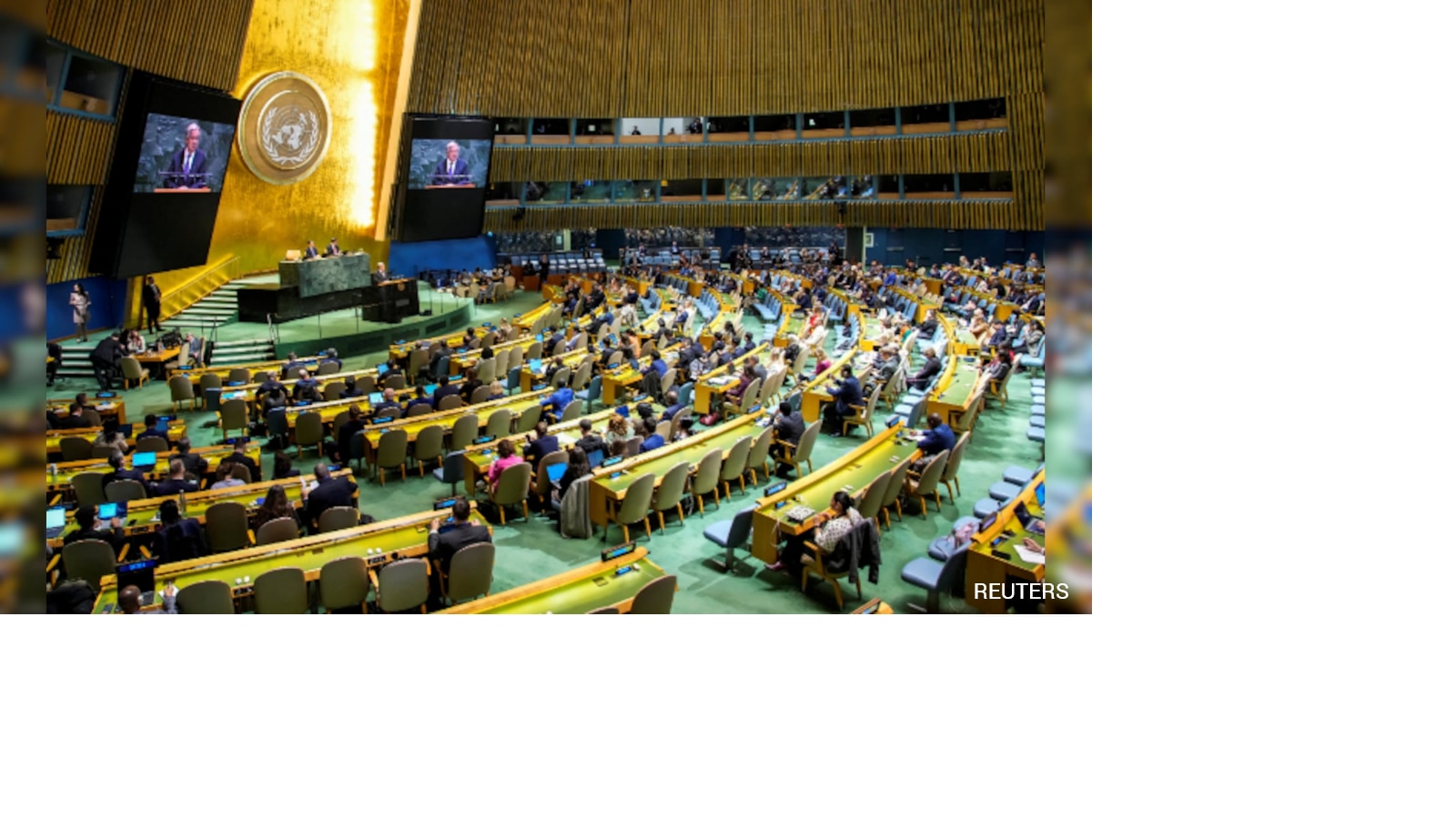
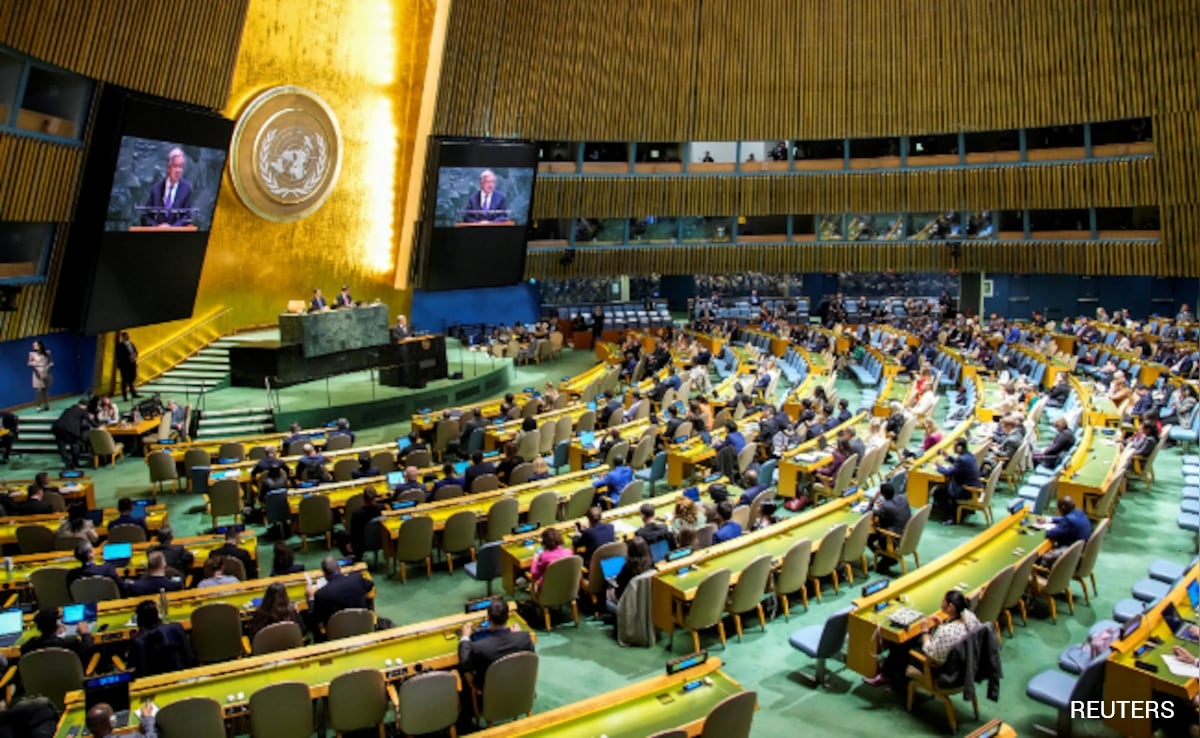
A four-week United Nations conference reviewing the treaty to prevent the spread of nuclear weapons ended Friday without agreement as the United States and Iran sparred over Iran’s nuclear programme.
Vietnam’s UN Ambassador Do Hung Viet, who chaired the conference, announced that there was no consensus among the 191 parties to the Nuclear Nonproliferation Treaty on even a watered-down final document.
He told a news conference later that “no one blocked consensus.” But he said “a very important reason” for the failure to reach an outcome was a provision in the final draft that said Iran “can never seek, develop or acquire any nuclear weapons.”
It was the third failure in a row at a conference reviewing the NPT, considered the cornerstone of global nonproliferation and disarmament. At the last treaty review in August 2022, Russia blocked agreement on a final document over its February 2022 invasion of Ukraine and references to Moscow’s occupation of the Zaporizhzhia nuclear power plant, Europe’s largest.
UN Secretary-General Antonio Guterres expressed regret at the failure when the “elevated risk posed by nuclear weapons demands urgent action,” spokesman Stephane Dujarric said. He appealed to all countries “to make full use of all available avenues of dialogue, diplomacy, and negotiation to reduce tensions, lower nuclear risks, and ultimately eliminate the nuclear threat.”
Tensions over Tehran’s nuclear programme escalated ahead of the Iran war, which began with US and Israeli airstrikes on February 28. President Donald Trump has said the war was aimed at preventing Iran from developing a nuclear weapon. Iran has enriched uranium to near weapons-grade levels but insists its program is only for civilian purposes.
The US and Iran have clashed since the opening of the review conference on April 27. The US has accused Iran of showing “contempt” for its commitments under the treaty, while Iran has said US and Israeli attacks on its nuclear facilities violated international law.
Iran is a party to the NPT, which requires countries to open all nuclear sites to inspection by the UN nuclear watchdog agency. But Iran has not given inspectors from the International Atomic Energy Agency access to nuclear sites that were bombed by the US last June.
Daryl Kimball, executive director of the Washington-based Arms Control Association, said the United States insisted that Iran be named in the outcome document for its refusal to comply with its NPT obligations, including inspections, and it was. Iran objected to being singled out and insisted that the US and Israel be condemned for attacking its nuclear sites, which violates the NPT, but that was not included, he said.
In speeches at the end of the conference, the United States called Iran a “prolific treaty violator” and said it had spent the conference “shirking accountability for its grotesque violations.” Iran accused the US and its allies of conducting a “relentless campaign” to legitimize their “unlawful attacks” on the country and its nuclear facilities.
Kimball said the conference “showed that rhetorical support for the NPT is strong, but the foundations of the NPT are cracking due to inaction, inattention, and intransigence on the part of the major powers.”
“Much more enlightened, engaged, and pragmatic leadership and diplomacy will be needed to guard against the growing risks of an unconstrained nuclear buildup, threats to resume nuclear testing, and the risk of a nuclear-armed Iran,” Kimball said.
Britain’s Rebecca Johnson, founding executive director of the Acronym Institute for Disarmament Diplomacy, had harsh criticism for both the US and Russia, the two largest nuclear powers, which she said “double down on nuclear threats, blame others and try to undermine or ignore the NPT’s nuclear disarmament commitments and related agreements,” including on nuclear testing.
(Except for the headline, this story has not been edited by NDTV staff and is published from a syndicated feed.)