


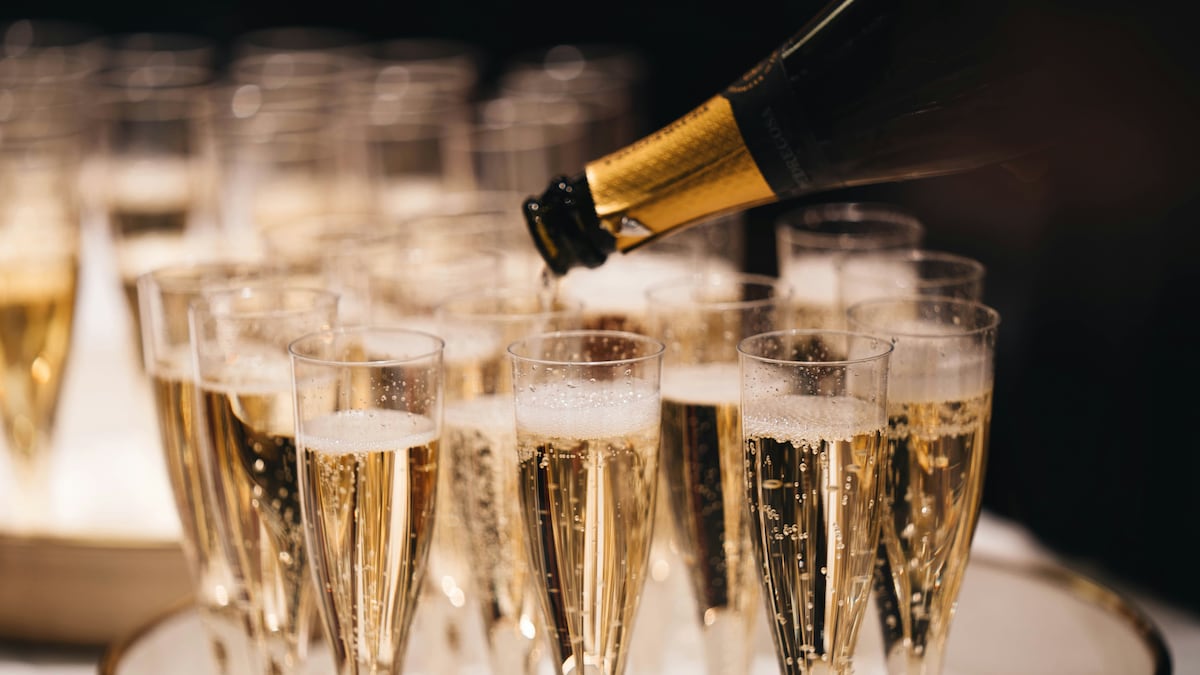
From royal celebrations to intimate toasts, Champagne has long been associated with elegance, luxury, and special occasions. Its fine bubbles and crisp character have made it one of the most recognisable drinks in the world. But behind its celebratory image lies a deeply rooted story shaped by geography, history, and centuries of refinement. While sparkling wine is produced across the globe today, true Champagne comes from one specific corner of France, and its identity remains inseparable from that region.
Also Read: Easy To Make And Light On The Stomach, Sprouts Salad Is One Of The Best Cooling Dinner Meals
The Champagne Region of France

Photo: Unsplash
Champagne comes from northeastern France, a region whose natural environment played a decisive role in shaping the wine long before it became famous for its sparkle.
The region is defined by:
- A cool climate that slows grape ripening and helps retain high acidity
- Chalk-rich soils, formed from ancient seabeds, that offer excellent drainage and moisture retention
- Unpredictable weather, which historically made consistent winemaking difficult
Compared to warmer regions like Burgundy, these conditions initially worked against Champagne. Cold winter temperatures often interrupted fermentation before it was complete, leaving winemakers struggling to produce stable and reliable wines. Unbeknownst to them, this climatic disadvantage would soon lead to an unexpected transformation, one that would come to define Champagne itself.
The Accidental Birth Of Bubbles
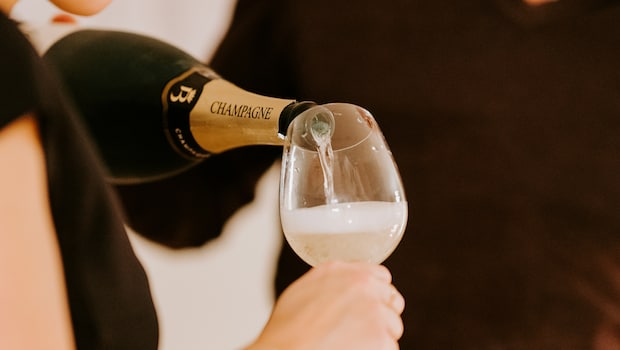
Photo: Unsplash
Sparkling wine was not deliberately invented in Champagne. Early winemakers largely viewed bubbles as a flaw rather than a feature. When fermentation unknowingly restarted inside sealed bottles as temperatures rose, carbon dioxide became trapped in the wine. The result was unexpected fizz, and, in many cases, exploding bottles. For years, producers battled shattered glass, popping corks, and inconsistent results.
Over time, however, winemakers began to understand and refine this second fermentation. What was once an unpredictable problem slowly became a controlled process. This shift, from accident to intention, marked a critical turning point in Champagne’s winemaking history.
Dom Perignon And His Contribution
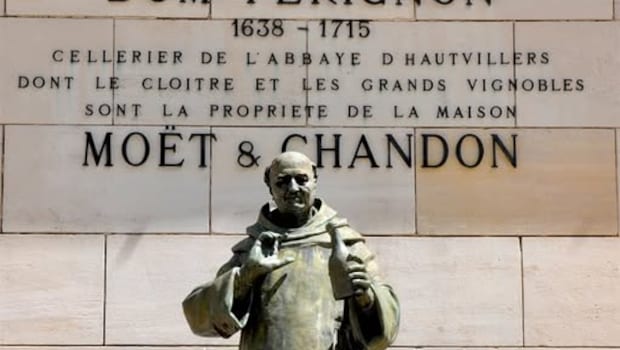
Photo: Facebook/ Wine World By Enthusiasts
One of the most influential figures in Champagne’s history is Dom Pierre Perignon, a 17th‑century Benedictine monk who served as cellar master at the Abbey of Hautvillers. While popular myths credit him with inventing Champagne, his true contribution lay in improving its quality and consistency.
Dom Perignon introduced practices that remain foundational today:
- Emphasising careful grape selection
- Promoting gentle pressing to keep the juice clear
- Perfecting the art of blending grapes from different vineyards
He also worked to improve bottle clarity and control fermentation at a time when spontaneous bubbles were still considered faults. These refinements helped transform Champagne from an unpredictable regional wine into a more refined and reliable product, paving the way for its acceptance among French royalty and European courts.
What Makes Champagne Unique
Photo: Pexels
Champagne’s identity is defined not just by bubbles, but by strict regulations and centuries-old craftsmanship.
To be legally called Champagne, a wine must:
- Be produced exclusively in the Champagne region
- Use the traditional method, where secondary fermentation occurs in the bottle
- Undergo extended ageing and careful blending
Only three grape varieties are permitted:
- Chardonnay for freshness and elegance
- Pinot Noir for structure and depth
- Pinot Meunier for fruitiness and balance
Beyond technique, Champagne is protected under Appellation d’Origine Contrôlée (AOC) laws, among the most rigorously enforced wine regulations in the world. Only wines produced in Champagne under these rules can use the name, ensuring its identity remains distinct even as high-quality sparkling wines are made elsewhere.
How Champagne Became A Symbol Of Celebration
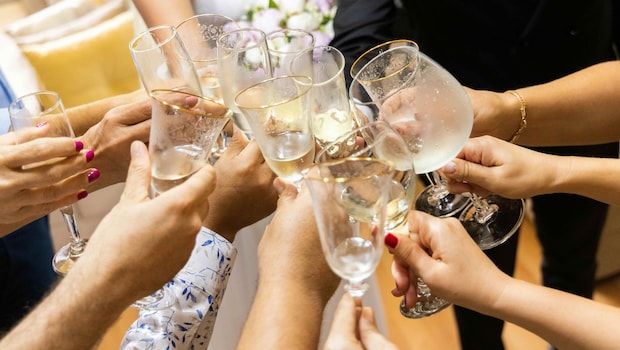
Photo: Pexels
Champagne’s association with celebration developed gradually. By the 17th and 18th centuries, it had become a favourite at French coronations, weddings, and aristocratic gatherings, valued for its brightness, rarity, and festive character.
As trade expanded and Champagne houses refined production and distribution, the wine grew closely linked with milestones and luxury across Europe, and eventually the world. By the 19th century, Champagne had cemented its reputation as the drink of victories, achievements, and special moments.
Champagne is more than sparkling wine. It is the result of a unique place, historical experimentation turned mastery, and generations of refinement. While sparkling wines may be produced almost everywhere today, true Champagne will always belong to the region that gave it its name, and its enduring legacy.



