


A new TV show set to hit our screens next week has been described as the “British White Lotus” – meaning we can likely expect witty one-liners, passionate drama and emotional intensity under some summer sun.
The eight-part BBC series Two Weeks in August will air its first episode on 23 May, following a group of friends reunited for a summer holiday that is immediately thrown off the rails, turning into a nightmare.
Set on a Greek island, the drama focuses on Zoe (Jessica Raine), a teacher and mother who is on holiday to rediscover joy in her own life while trying to keep everyone else’s together.
As Zoe begins to let go and show her true emotions, the holiday descends into chaos for the group of friends, exacerbated by new challenges as the long summer days roll on.
While both Two Weeks in August and The White Lotus are set during holidays and provide plenty of drama, there are plenty of differences.
The show’s creator emphasises this story, unlike the rich White Lotus elite, is about relatively normal people holidaying at a modest villa in Greece, a familiar European hotspot favoured by Brits, making the show all the more relatable.
While Greece and its connection to ancient mythology become increasingly more important to our main character’s emotional unravelling, the show was actually shot in Malta.
The Independent spoke to Two Weeks in August show creator Catherine Shepherd to hear why Malta was chosen, as we dive deeper into the filming locations for the anticipated series.
Where was Two Weeks in August filmed?
While its Greek setting is central to the story, Two Weeks in August was shot in Malta and Gozo last year with the help of local production company Pellikola.
Greece was the obvious first option for filming to take place, but the decision to film in Malta ultimately came down to cost.
The show does, however, do a brilliant job at transporting viewers to Greece. Shepherd explained that she and the production team saw enough seaside locations and rugged beaches in Malta and Gozo that made a suitable stand-ins for a Greek island setting.
“We had to go to Gozo to find a beach that really felt like it could be a harbour for a small island. That involved some searching,” she explained.
“It’s more complicated to film on Gozo because it’s so small and it involves the crew all staying on there, but we had to film some of the scenes on there because it needed to look deserted, to not have hotels in the background. So that’s why we found Gozo.”
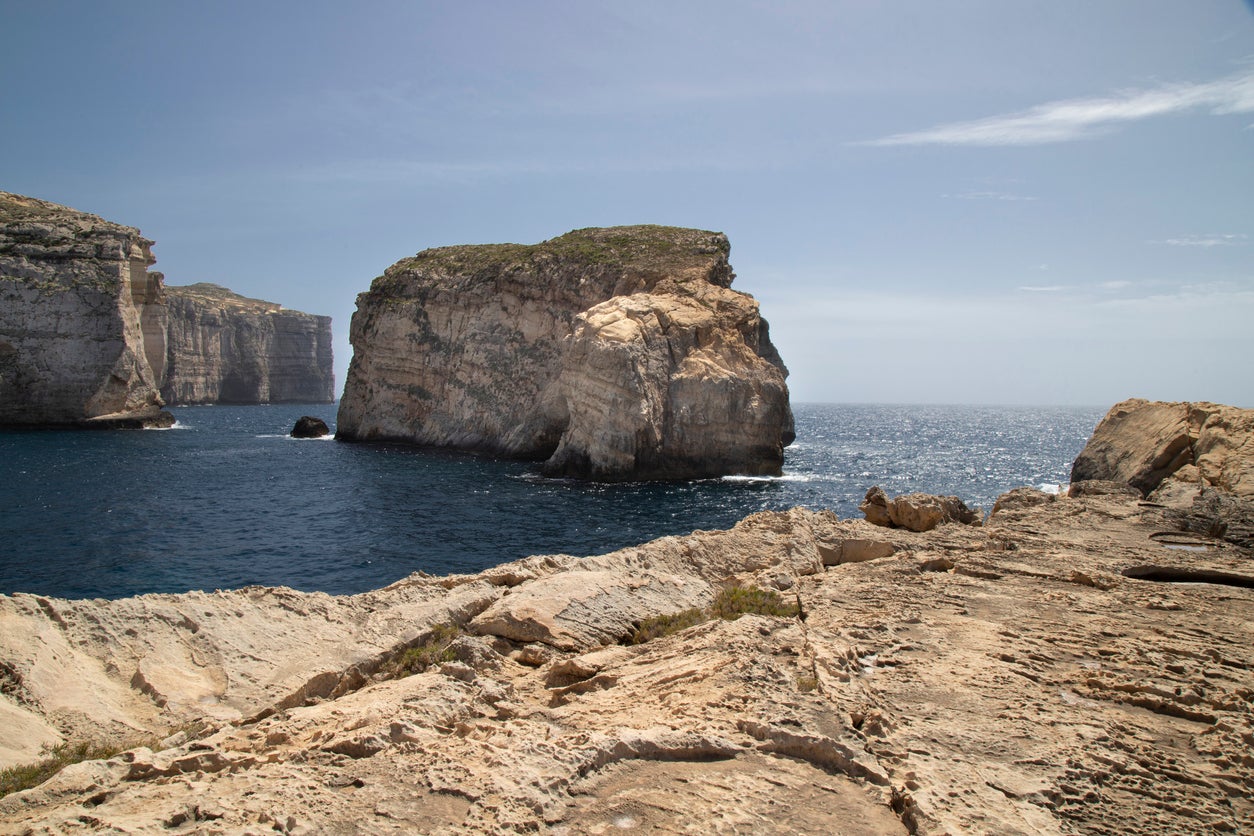
Malta’s sister island, Gozo, is not as populated as the mainland and is often a quieter place to explore. Just a 40-minute ferry from Malta’s capital, Valletta, Gozo is also a lot greener and boasts dramatic limestone cliffs, including those at Dwejra Bay, where the cast shot scenes on the first day of filming.
The spectacular Dwejra cliffs can be seen in one scene with Dan and Zoe in episode three.
.jpeg)
Unfortunately, there are a few Malta filming locations that no longer exist. A seafront taverna in Ghar Lapsi, which is a central for one scene in an early episode, was washed away during Storm Harry earlier this year, when much of the bay was damaged.
Meanwhile, the villa where the friends are holidaying, which provides the setting for plenty of drama, was deconstructed after filming wrapped.
Shepherd said: “The main challenge for the designer, Jon Henson, who is really amazing, was to find a house … the Maltese houses look quite distinctive in that beautiful sandstone, [but] they didn’t look so Greek.
“So eventually, after weeks and weeks of searching and returning to Malta and driving around, he finally found the farmhouse that we used [for the villa]. But it was too small, and it didn’t have a pool, so he put the pool in. It was an amazing feat of engineering.
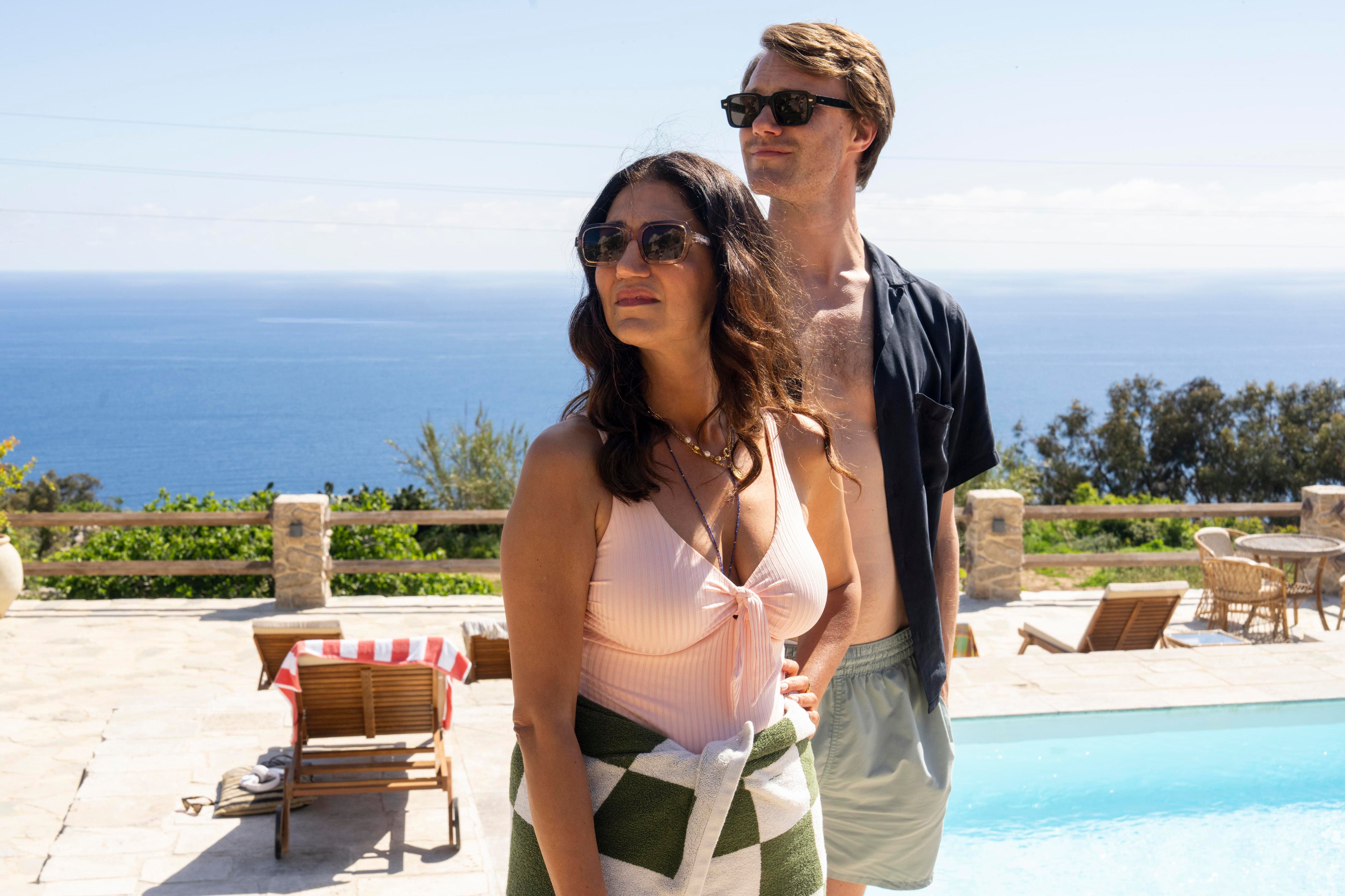
“It was a really big job getting the villa right. But it’s all gone now. We had to deconstruct it, take down the swimming pool, take down the kitchen, and it’s all gone back to this little farmhouse.”
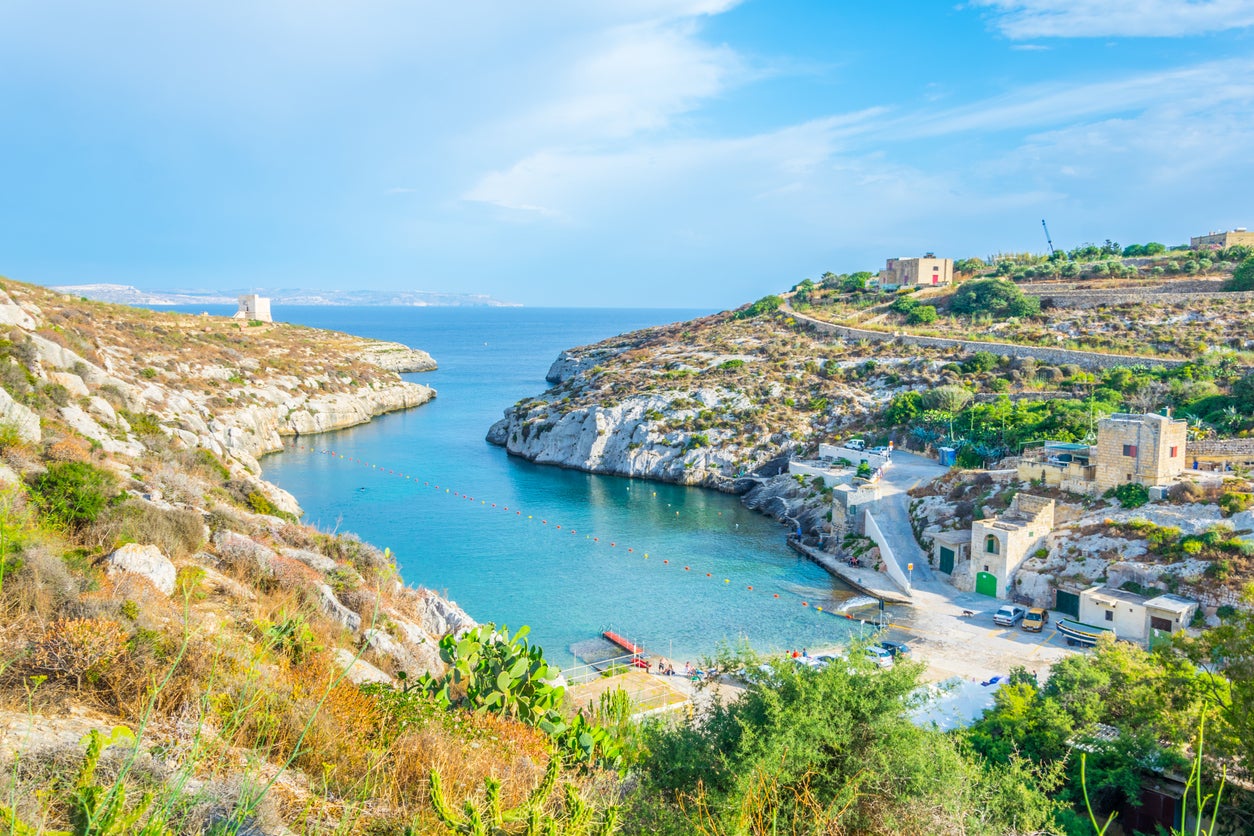
Many spots still exist, however. The harbour where the cast visit the local market can be found at Mġarr ix-Xini on Gozo. The small inlet was once an occasional refuge for the galleys of the Knights of St. John, who built a watchtower over the bay in 1551 that still stands today. When not taking in views from the tower, many visitors to Mġarr ix-Xini come to dive, as its underwater landscape features several caves tucked into the cliff faces.
One scene sees our cast of characters take a boat trip out to a secluded beach. While producers don’t specify which beach this was, they said they chose one in Mellieha on Malta’s mainland, known for having the island’s largest sandy beaches.
The importance of Greece to the story
As viewers will pick up on early in the show, the presence of Greek mythology, its symbolism and the part it plays in Zoe’s character development is a crucial element to the story.
While production did not film in Greece, setting the story on a Greek island was important to bringing this supernatural element.
Shepherd explained that when the idea came to her to write a story set on holiday, Greece immediately sprang to mind, as through her childhood and well into her 20s and 30s, she holidayed with her family on various Greek islands, such as Paxos and Corfu.
Her father was also very interested in Greek mythology, which left a lasting impression on Shepherd as she intertwined it into the story.
“It gives it a kind of epic scale, which I really wanted,” she said.
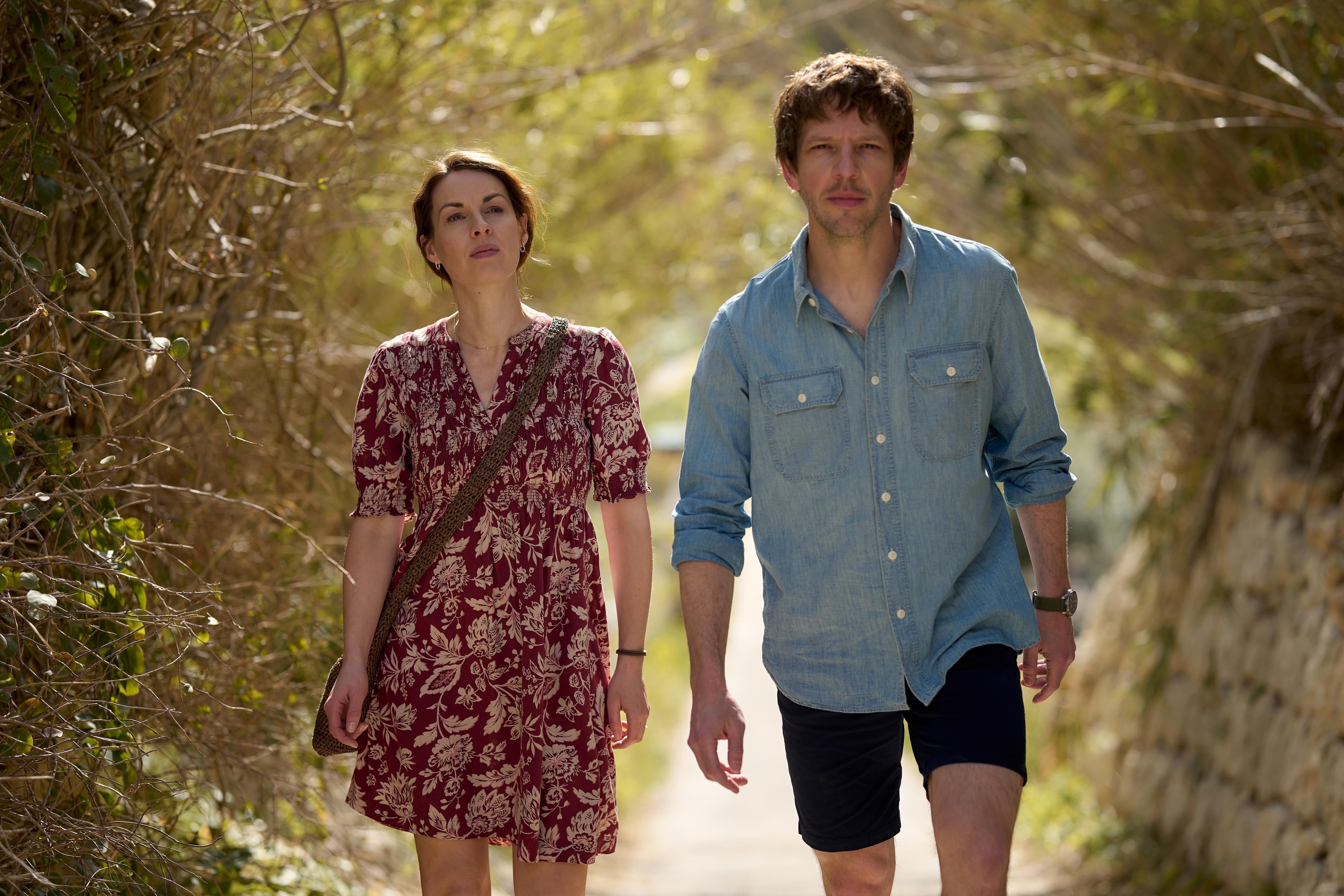
“I very much wanted it to be about the comedy and tragedy in travel, but also to explore big ideas about death and love and desire and repressing, which the Greek myths allow. It allows that to be part of the story in a really resonant, atmospheric, cinematic way.”
Mythological figures known as The Fates of Moirai appear out of the corner of Zoe’s eye throughout the show, just before something happens that makes her unravel even further.
“The gods are sort of lurking; I thought they’re just a really interesting way of writing about her [Zoe’s] unconscious, the things we were all repressing,” Shepherd said.
She added that Greece makes an atmospheric and powerful setting – known for the birth for democracy and spawning philosophies that have shaped Western thought.
“It’s connecting to big things that humans have always experienced,” she said.
Two Weeks in August will air on BBC One on Saturday, 23 May.
Watch more: Why Malta should be your next escape



