


A picture from Amritsar has gone viral on social media, leaving many people wondering what exactly is happening. The image features a banner reading “Amritsari Stuffed Kulcha Association”, with several members posing for a formal group photograph, including the association’s president, advisory team and executive members.
While some viewers initially assumed it was AI-generated, the association is very real and was recently formed with a specific goal in mind: securing a Geographical Indication (GI) tag for the iconic Amritsari stuffed kulcha.
The unusual development prompted a range of reactions online, many expressing surprise and disbelief. Industrialist Harsh Goenka also weighed in on X, writing, “President. Advisory team. Executive committee. All for a kulcha. Just imagine the importance! I wonder if Amritsar also has a Chole Association? And should they merge?”
President. Advisory team. Executive committee. All for a kulcha. Just imagine the importance! I wonder if Amritsar also has a Chole Association? And should they merge? 😜 https://t.co/4BgVK9Ahcm— Harsh Goenka (@hvgoenka) October 4, 2026
Why Does Amritsari Stuffed Kulcha Have An Association?
The association has reportedly been formed to support efforts to obtain a GI tag for Amritsari stuffed kulcha.
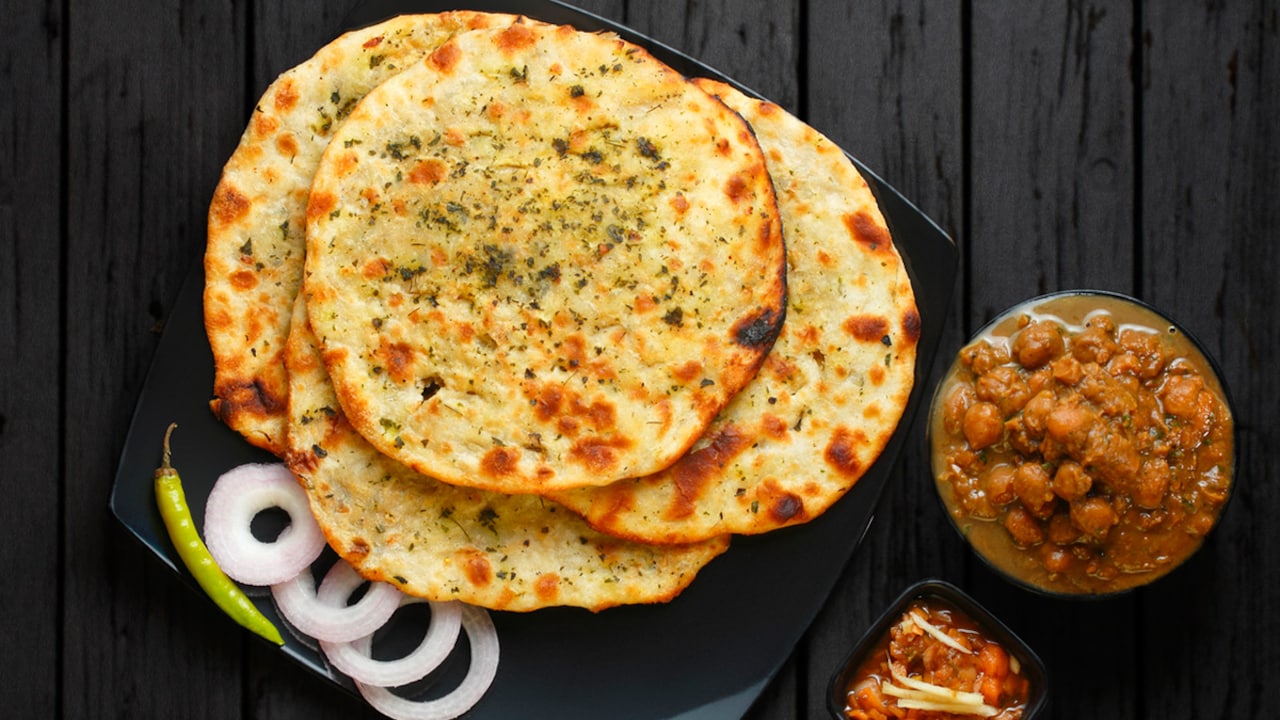
For the uninitiated, Amritsari kulcha is a popular flatbread traditionally stuffed with ingredients such as potatoes, onions, paneer and spices. Typically garnished with coriander seeds, fresh coriander and red chilli powder, the kulcha is known for its thin, crisp texture and generous coating of ghee. It remains a staple breakfast dish in Amritsar.
What Is A GI Tag?
A Geographical Indication, or GI tag, is a certification granted to products that originate from a particular geographical region and possess qualities, characteristics or a reputation linked to that place of origin.
The tag helps consumers identify authentic products and ensures that the product’s unique identity remains connected to its traditional region.
What Are The Benefits Of A GI Tag?
GI tags help preserve traditional knowledge, protect products from misuse and strengthen consumer trust. They also enable producer groups to gain greater market recognition and improve access to premium markets.
The recognition serves as a mark of quality and cultural distinctiveness, often increasing the visibility and commercial value of products.
As demand for GI-tagged products grows, producers and artisans can benefit from stronger bargaining power, wider market access and improved livelihood opportunities. GI recognition also plays an important role in preserving and promoting India’s rich cultural heritage and traditional craftsmanship.
Also Read: Priyanka Chopra Enjoys Amritsari Kulcha And Chole During Her Visit To Amritsar
What Does It Take For A Product To Receive A GI Tag?
In India, the registration and protection of GI tags are governed by the Geographical Indications Registry under the Geographical Indications of Goods (Registration and Protection) Act, 1999.
Before a product can receive GI certification, it must satisfy specific legal and procedural requirements.
GI Registration Starts With An Association
Any association of producers, organisation or authority established under law can apply for GI registration. The applicant must be a legal entity representing the interests of producers associated with the product.
If the applicant is not a producers’ association, it must demonstrate that it adequately represents the interests of the producers concerned. Similarly, a statutory authority seeking registration must also establish that it represents the producers of the product.
Also Read: The Great Amritsari Kulcha Trail: 6 Best Spots For Kulcha In Amritsar
Applications and related documents may be submitted directly to the GI Registry or sent via post, registered post, speed post or courier. The Geographical Indications Registry is headquartered in Chennai and has jurisdiction across India.
This requirement explains why Amritsari stuffed kulcha now has a dedicated association in Amritsar.
Other GI-Tagged Indian Dishes
As of August 2026, India had 66 GI-tagged food products, including a range of prepared, cooked and processed delicacies. Some notable examples include West Bengal’s Bardhaman Mihidana and Sitabhog, Odisha’s Kendrapara Rasabali, and Andhra Pradesh’s famous Tirupati Laddu.


