


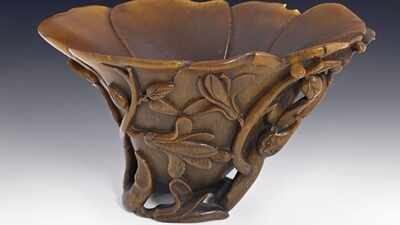
They say one man’s trash can be another man’s treasure. And that’s exactly what happened at a thrift shop in Sydney, Australia.A regular shopper at the store saw a cup. It had a large chip in it.Not a hairline flaw you’d need to squint to see. A proper chip, the sort that should have been enough to send a shopper on to the next shelf in a Sydney op shop. The cup was priced at A$4. The shopper bought it anyway.The specialist who later valued it explained that pieces like this “don’t look immediately attractive to the untrained eye”. But something about the cup caught the buyer’s attention.The rare cup was eventually auctioned for A$75,640.
An ordinary op-shop circuit, an extraordinary find
The buyer, who chose to stay anonymous, used to do the rounds of local op shops, which means he had seen plenty of shelves. But this one made him stop. He thought the cup looked a little special. He bought it. After the purchase, the man sent photographs to Ann Roberts, a Sotheby’s consultant and specialist in Asian art, The Age reported.Roberts knew the cup was rare and valuable. The buyer had a one-of-a-kind cup. It was a Chinese libation cup carved from rhinoceros horn, catalogued as a ‘Magnolia and Prunus’ piece from the 17th or 18th century. Despite the large chip, she set a pre-sale estimate of A$20,000 to A$30,000. Finding such a rare piece in an op shop, according to the expert, is not something anyone should expect.And just like that, a A$4 cup fetched the buyer a five-figure sum!
The rare cup was auctioned for A$75,640
In 2013, the auction for the rare rhino cup started. The hammer fell at A$62,000 at the Sotheby’s Australia auction in Melbourne. Along with the buyer’s premium, the final price came to A$75,640. The final price was more than twice Sotheby’s top estimate and 15,500 times the A$4 the shopper had paid.Roberts phoned the vendor to tell him the results, and he was thrilled. “He was very pleased,” she told the outlet. “It was a rare find. They don’t look immediately attractive to the untrained eye.”Sotheby’s, however, didn’t identify the buyer of the rhino-horn cup. Such rare pieces are especially prized among Asian collectors. Though prized, items made from materials such as ivory and rhinoceros horn, even if more than 300 years old, require CITES licences to be sent overseas. But for the shopper who spotted the chipped cup on a thrift-store shelf, that A$4 find turned into a small fortune. Thrifters occasionally stumble upon treasures hiding in plain sight, but recognising their value is another matter. In this case, one shopper’s decision to take a second look turned an overlooked cup into a A$75,640 auction sale.


