


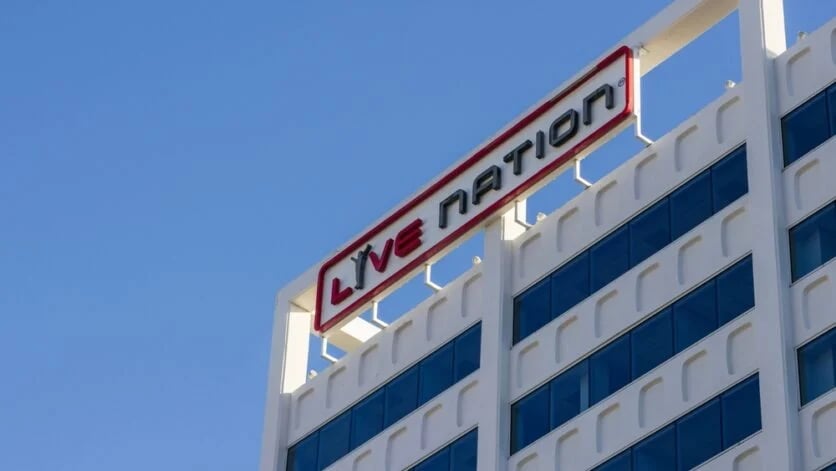
A group of state attorneys general has asked a federal court to authorize discovery into the US Department of Justice‘s antitrust settlement with Live Nation and Ticketmaster.
The states want to examine both whether the settlement does enough to restore competition and how it was negotiated, including communications between Live Nation, the DOJ, and the White House.
In a letter to Judge Arun Subramanian on Thursday (July 16), which you can read in full here, they said they have “significant concerns that the Settlement is not in the public interest.”
The letter was filed by 21 of the plaintiff states, according to the filing – led by the antitrust unit of Colorado‘s Department of Law and joined by New York, California, Pennsylvania, and Virginia, among others.
The states are invoking the Tunney Act, under which antitrust settlements proposed by the US must be independently reviewed by a court to determine whether entering the judgment “is in the public interest.”
The DOJ‘s proposed terms, the states argue, “appear to be insufficient to meaningfully increase competition in the relevant markets and could also increase barriers to entry and reduce competition.”
Some of the states also raised concerns about the process that produced the settlement — concerns the letter said were “driven in part by the lack of transparency about the settlement negotiations that took place prior to March 2, 2026.”
The states said they were not notified of the negotiations between the US and Live Nation until January 29, 2026 – “a year after they began.”
The Requesting States, as the letter calls them, said that “public reporting and Defendants’ recent filing further suggest to some states that the United States’s acceptance of the Settlement may have been influenced by individuals outside of the Department of Justice and concerns other than restoring or increasing competition.”
The letter cites a recent filing by Live Nation stating that, between February 2025 and March 2026, the company held meetings and exchanged written communications with DOJ officers and employees — as well as with the Office of the White House Counsel — “related to the negotiation of a potential settlement.”
The letter also states that the DOJ‘s lead trial counsel “was unaware of the terms of the settlement until it was filed with the Court.”
The DOJ, joined by 30 state and district attorneys general, sued Live Nation and Ticketmaster in May 2024, accusing them of monopolizing markets across the live entertainment industry.
The trial began on March 2 in Manhattan, and one week later the DOJ reached a settlement that allowed Live Nation to keep Ticketmaster.
That deal set aside a USD $280 million fund for state damages claims, required the divestiture of 13 amphitheater booking agreements, and extended the company’s consent decree with the DOJ by eight years.
Most of the states rejected the settlement, and a coalition of 33 states and the District of Columbia pressed the case to trial.
On April 15, a federal jury found that Live Nation and Ticketmaster had illegally monopolized the US ticketing and amphitheater markets, siding with the states on every claim.
The settlement itself remains subject to Tunney Act review by Judge Subramanian, who must decide whether it serves the public interest before it can be finalized – the proceeding under which the states are now seeking discovery.
If the court grants the request, the states said they would seek documents, information, and testimony on the settlement’s “open distribution and ticket authentication system” and on the selection of the 13 amphitheater booking agreements marked for divestiture.
They would also seek communications about the settlement’s terms between the US, Live Nation, and the individuals named in the company’s filing, “as well as testimony from some of those individuals.”
Both the DOJ and Live Nation oppose the request.
The company opposes any discovery into the process that led to the settlement or the alternatives considered, while the US opposes any request to take discovery from the government.
Live Nation has said the DOJ settlement resolves the government’s remaining claims without any admission of wrongdoing, and has denied the allegations throughout the case.
The parties held two video conferences in July before confirming an impasse, and jointly proposed that the US and Live Nation be given one week to reply to the motion.
Separately, Live Nation is seeking to overturn the April verdict or win a new trial, with a hearing on those motions set for July 29.Music Business Worldwide



