


Two decades ago, hot and weary after several months of backpacking, I walked barefoot with my friend across the white sands of the Caribbean coast of Mexico. Looking out across the turquoise sea, without another person in sight, I felt sure that this must be the most beautiful beach in the world.
Our bus had arrived in a little town called Tulum, where we’d dropped our rucksacks at a hostel and headed to the beach to swim in the waves and snooze on the sand, before exploring the mystical ruins of the Mayan civilisation that watched over the beach.
Ten years later, I was excited to return to this very spot. I was living in the United States and knew that Tulum had blown up as a tourist destination, but I wasn’t quite prepared for what I found. Not only could I no longer see this beach for the newly erected buildings that lined the shore, but when I tried to enter one of the hotels, I was informed there would be a minimum spend of around $200 if I wanted to eat breakfast here.
Turning away – with a gnawing sense that I may be “part of the problem” – I winced at the fact that now this beach “belonged” to this hotel. This was painful for me to hear, but how much worse must it be for the locals who can no longer visit the beaches that are part of their home, so that tourists could do sunrise yoga, drink matcha lattes and embrace their spirituality?
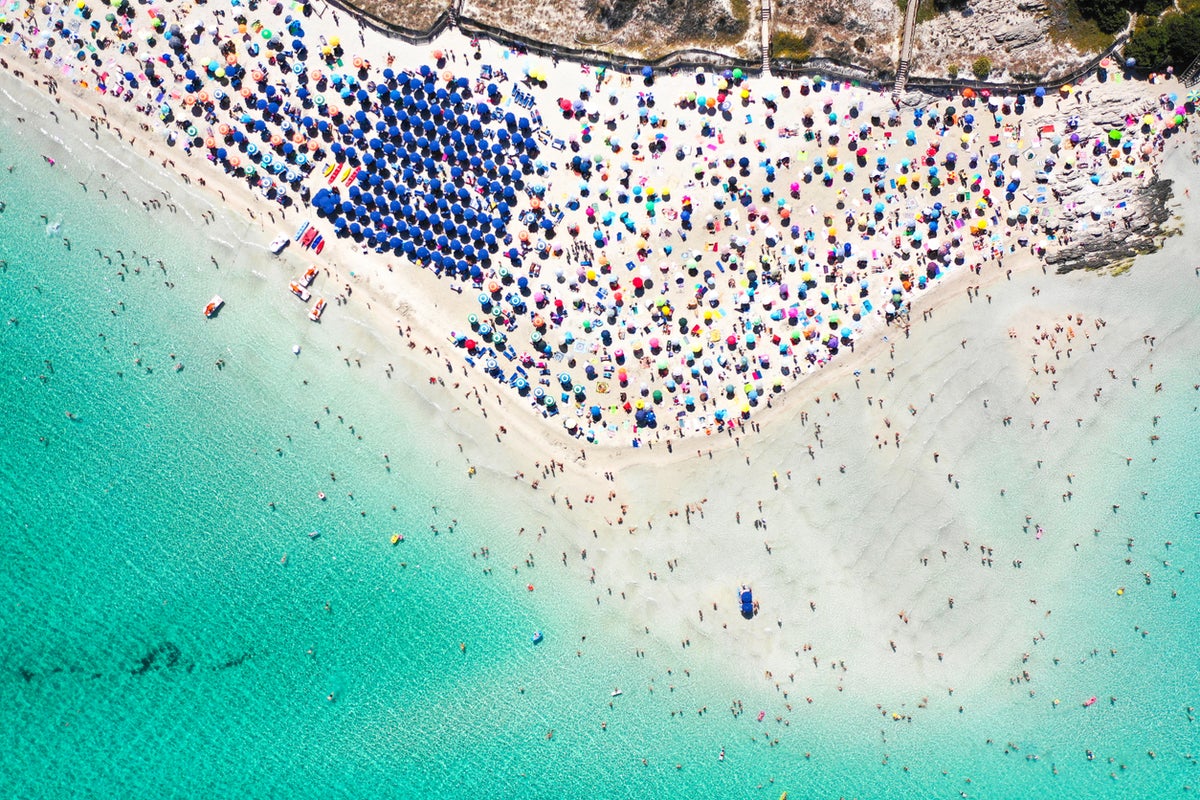
I haven’t returned to Tulum since, but I thought of the town earlier this week when we reported on how visitors to a number of Italian beaches now have to pre-book their patch, in much the same way that you’d make a restaurant reservation, paying a few euros for the privilege. In fact, Sardinia’s La Pelosa beach is now fully booked for advance slots until 15 September, with visitors paying €3.50 for a slot.
Last week, we also wrote about beach club operators in Puglia, Italy, who are complaining about tourists bringing picnics to private beaches, claiming they threaten the region’s “image of excellence”. Governor of Puglia, Antonio Decaro, insisted the visitors should be allowed to bring food and drink from home. In a Facebook video, he said: “We are working to make the sea, more and more, an experience of freedom, for Apulians and for those who come from outside to discover this region. The sea is a common commodity, it cannot become a luxury.”
While I appreciate that visitor numbers must be controlled and I am aware of the problems caused by littering, along with the pressure heavy footfall can cause to the environment, I agree with Mr Decaro that the beach should not be a luxury. It makes me uncomfortable that any of us have the right to lay claim on a piece of sand, especially when it’s not even in our home country.
This summer, for my beach breaks, I’ll be aiming for spots without book-able slots or a minimum spend – and where I can eat my own sandwiches.
Get the Travel Insider newsletter
Travel Insider is The Independent’s twice-weekly travel newsletter, packed with insight, inspiration and trusted advice to help you explore better.
It is your guide to planning smarter journeys: from finding the best low-impact ways to get around to choosing destinations that benefit local communities.
Each Friday and Sunday, you’ll receive a curated digest of the biggest developments in travel, along with unbeatable deals, destination ideas, and expert tips on where, when and how to go.
To sign up, simply enter your email address in the box at the top of this article.
You can also head to our newsletter preference centre to sign up for the email.



