


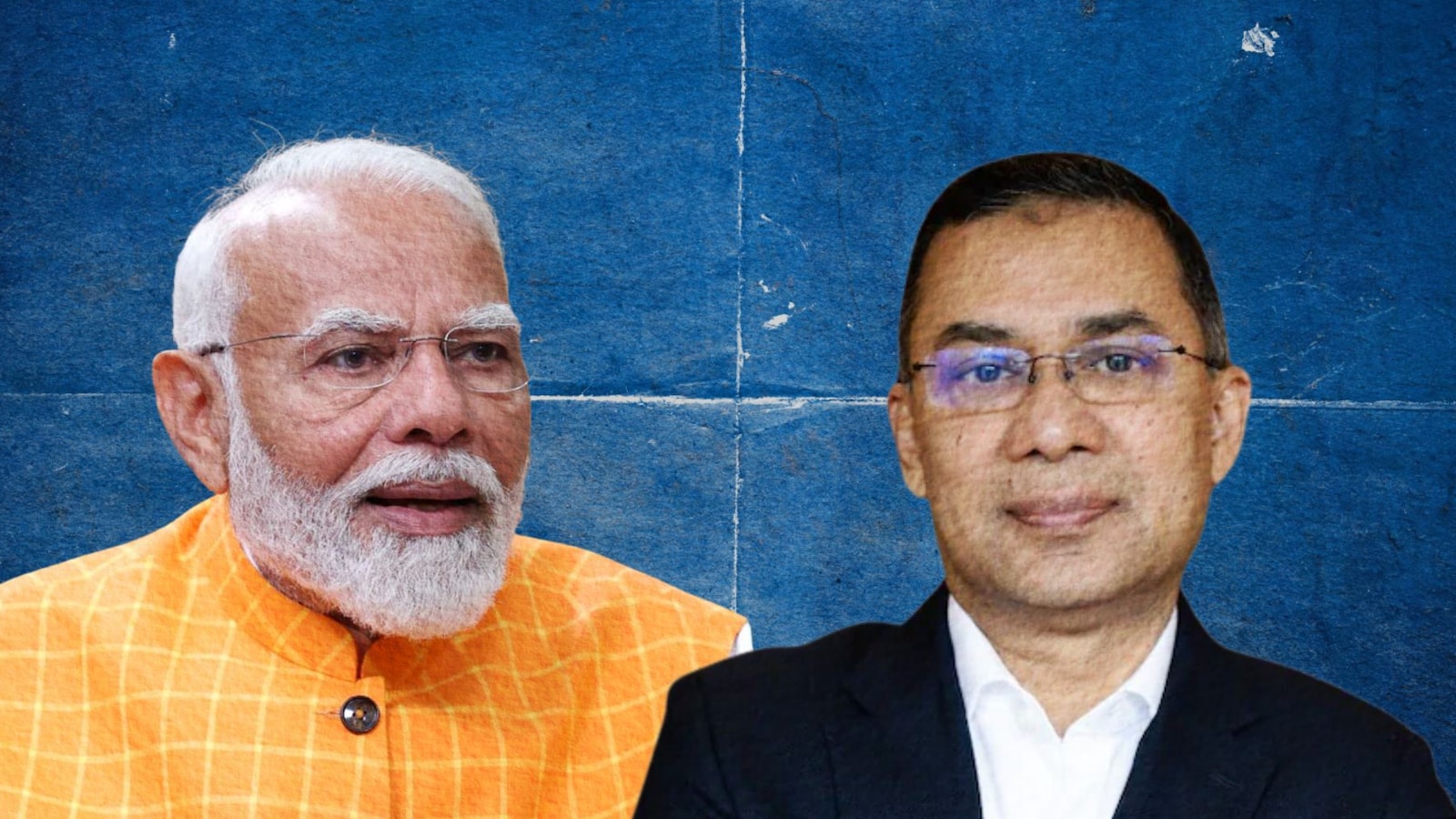
Just as India and Bangladesh are trying to patch things up after months of frosty ties, Dhaka has handed out two sensitive postings that threaten to reopen old wounds, and this time, the trouble isn’t a government statement or a summoned envoy, it’s old Facebook posts.
At the centre of it are two journalists picked for plum press roles at Bangladesh’s missions in India, Mohammad Saidur Rahman, headed to the High Commission in New Delhi as minister (press), and television journalist Umme Marufa, reportedly lined up as first secretary (press) at the Deputy High Commission in Kolkata.
The New Faces Of Bangladesh’s India Outreach
Saidur Rahman isn’t a stranger to Bangladesh’s newsrooms. A Dhaka University graduate in journalism, he cut his teeth at Dainik Dinkal before moving to the Bengali daily The Daily Ittefaq, where he rose to the position of politics and election editor after last year’s July Movement.
He’s also worn a couple of institutional hats — general secretary of the Dhaka University Journalists’ Association and later president of a forum of journalists who cover the country’s Election Commission.
His appointment letter, issued by Bangladesh’s Ministry of Public Administration, gives him a one-year term with the usual fine print that he must sever every other professional and business tie before he takes up the post.
Umme Marufa’s move hasn’t even been formally announced yet, but sources say she’s the one picked for Kolkata. She’s currently a special correspondent with the Bengali news channel News24.
On paper, these are routine appointments of the kind Bangladesh makes fairly often, unlike India, which staffs these roles with career foreign service officers; Dhaka has long preferred journalists for its press postings abroad.
The trouble is what both journalists reportedly said online before their names came up for these jobs, comments that, read today, sit uneasily with the job of representing Bangladesh’s government in front of the Indian press and public.
Rahman’s most-talked-about post goes back to December 2024. When Prime Minister Narendra Modi marked Bangladesh’s Victory Day by calling India’s role in the 1971 war a “historic victory” for India, Rahman didn’t hold back on Facebook. He pushed back hard on that framing, insisting 1971 belonged to Bangladesh alone, “our war of independence… our pride, our honour”, as he put it and went further, calling India’s wartime military role sheer “rashness”.
He didn’t stop at 1971 either, arguing that real freedom for Bangladesh only came on August 5, 2024, the day Sheikh Hasina’s government fell, describing it as finally breaking out of “India’s grip”.
Other posts attributed to him reportedly tied India to the 2009 mutiny within the Bangladesh Rifles (today’s Border Guard Bangladesh), accused New Delhi of enabling excesses during the Hasina years, and even floated an unproven claim linking India to the 1981 assassination of BNP founder Ziaur Rahman.
Marufa’s online history has drawn similar scrutiny. She reportedly shared a March 2025 remark by Chief Adviser Muhammad Yunus, made on a visit to China, describing India’s northeastern states as landlocked and Bangladesh as the region’s only route to the sea, a comment that annoyed many in India, including PM Modi’s economic adviser, Sanjeev Sanyal, who publicly questioned why Yunus was pitching China based on Indian states being landlocked.
She also posted after the death of Sharif Osman Hadi, a known anti-India voice within the hardline group Inqilab Moncho, who was shot in Dhaka in December 2025 and died days later in Singapore, wrote on Facebook that “there is a difference in deaths… all deaths are not the same.”
Other older posts, according to reports, appeared sympathetic to groups in Bangladesh that New Delhi views as extremist.
Once questions started swirling in Indian media and diplomatic circles, several of these posts from both Rahman and Marufa quietly disappeared. Diplomatic watchers say the clean-up looks like damage control ahead of two sensitive postings.
Why This Isn’t Just About Two Journalists
This episode taps into a bigger issue for India-Bangladesh ties: how Dhaka picks the people who speak for it on Indian soil.
This isn’t the first time it’s happened either. Bangladesh’s last press spokesperson in New Delhi, Faisal Mahmud, ran into trouble with India’s Ministry of External Affairs over remarks touching India’s domestic politics, and his contract was eventually terminated this past February.
Both countries have been making genuine noises about resetting relations after a bruising stretch following the political upheaval that swept Sheikh Hasina from power in August 2024. Appointing press officers with a visible history of India-critical posts, even deleted ones, isn’t exactly the reset either side was hoping to advertise.
As of now, Dhaka hasn’t said a word officially, not about the appointments, and not about why the posts disappeared just as the spotlight turned on.



