


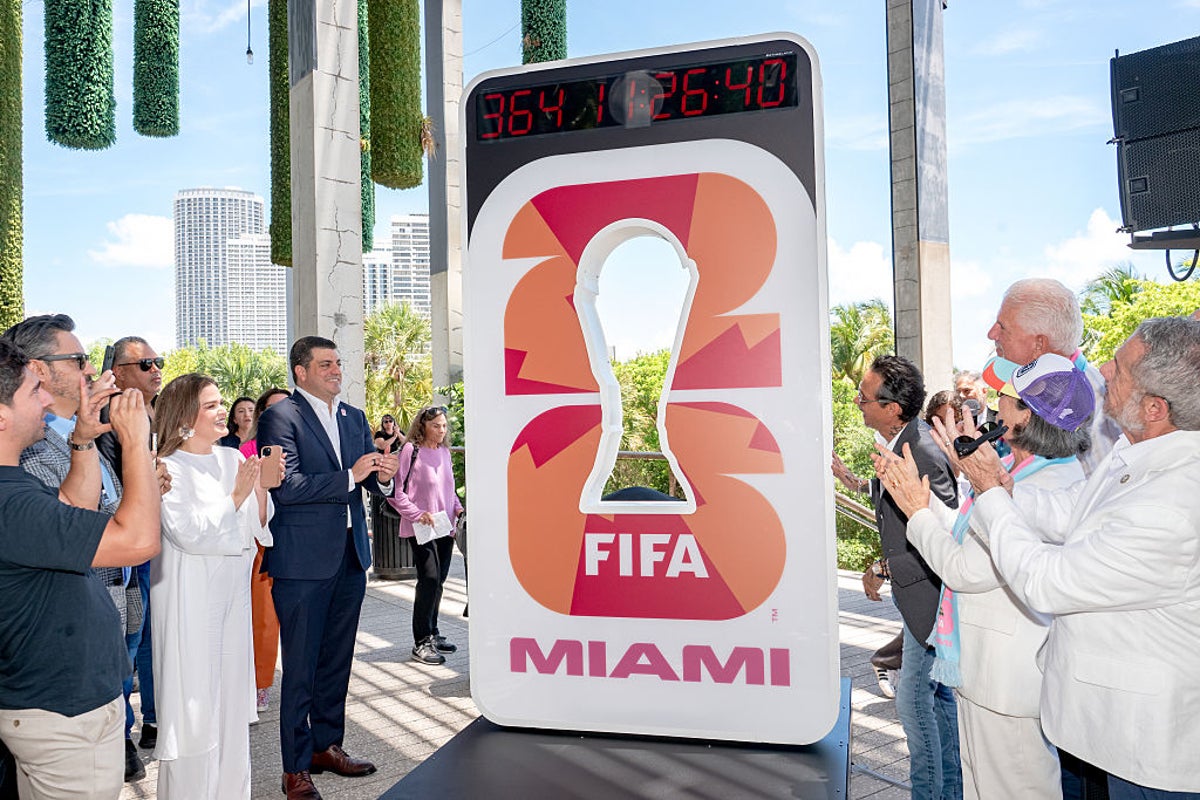
What happens after a city hosts the world? Miami is about to find out.
In 2026 the city hosted seven FIFA World Cup matches, including a quarterfinal and the bronze final. The city’s broader calendar also featured the College Football Playoff national championship game, the World Baseball Classic and the Formula 1 Miami Grand Prix.
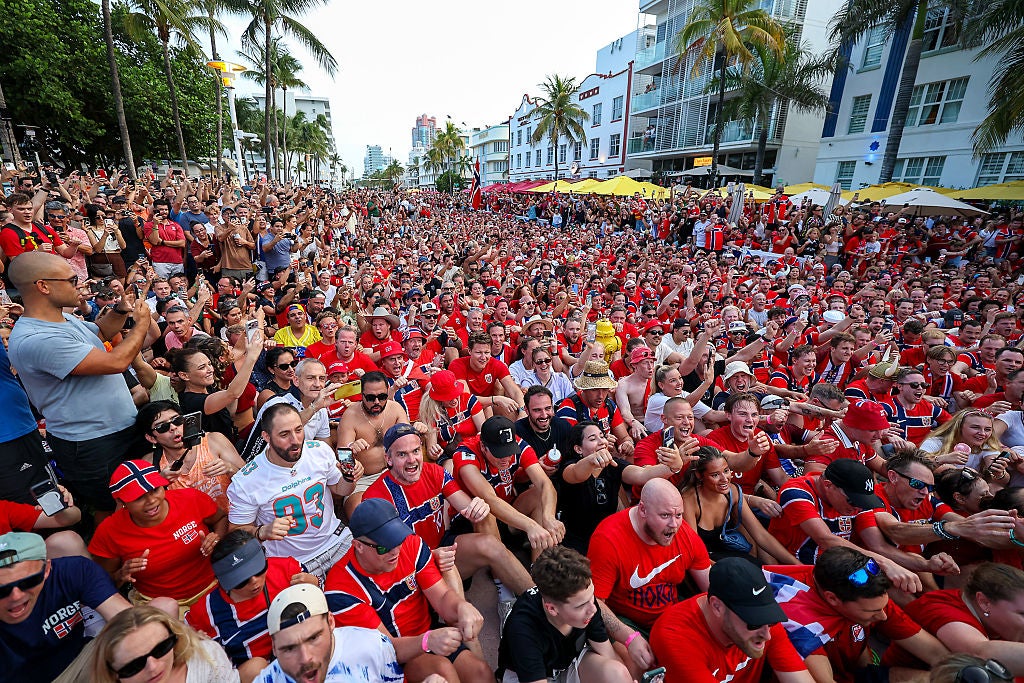
The question now is whether this global exposure in 2026 will translate into sustained tourism demand in 2027.
As dean of one of the nation’s leading hospitality schools, I research trends affecting tourism, travel behavior and the hospitality industry in one of the country’s most international visitor markets. My work keeps me closely connected to industry leaders and destination partners across South Florida. Based on the latest economic indicators and South Florida’s calendar of major events, 2027 is shaping up to be a pivotal year for the area’s visitor economy.
Right now the data points to fewer domestic budget travelers but more – and higher-spending – international ones.
The fall of Spirit
Start with the biggest shock: the closure of Spirit Airlines in May 2026. The ultra-low-cost carrier headquartered in South Florida was the dominant airline at Fort Lauderdale-Hollywood International Airport for years. But in spring 2026, jet fuel prices roughly doubled amid the fuel crisis triggered by conflict in the Middle East, and when a hoped-for federal rescue fell through.
Only months earlier the airline had planned 100 peak daily departures from Fort Lauderdale in 2026. That capacity is now gone.
The consequences of this for 2027 fall unevenly. Ultra-low-cost carriers make their living on price-sensitive leisure travelers, such as the families and spontaneous weekenders who fill Florida hotel rooms in the shoulder seasons of April to May and September to November.
With Spirit’s seats gone and fuel costs pushing fares up across the airline industry, the cheapest tier of air travel to Florida has thinned considerably. Some of those trips will likely migrate to remaining carriers at higher fares. Others simply will not happen.
Then there are Florida residents, who accounted for about 9.1 million visits to Greater Miami in 2025, including 4.8 million overnight visitors and 4.3 million day-trippers. This segment is best insulated from the airline price shock, which will help 2027 visitation.
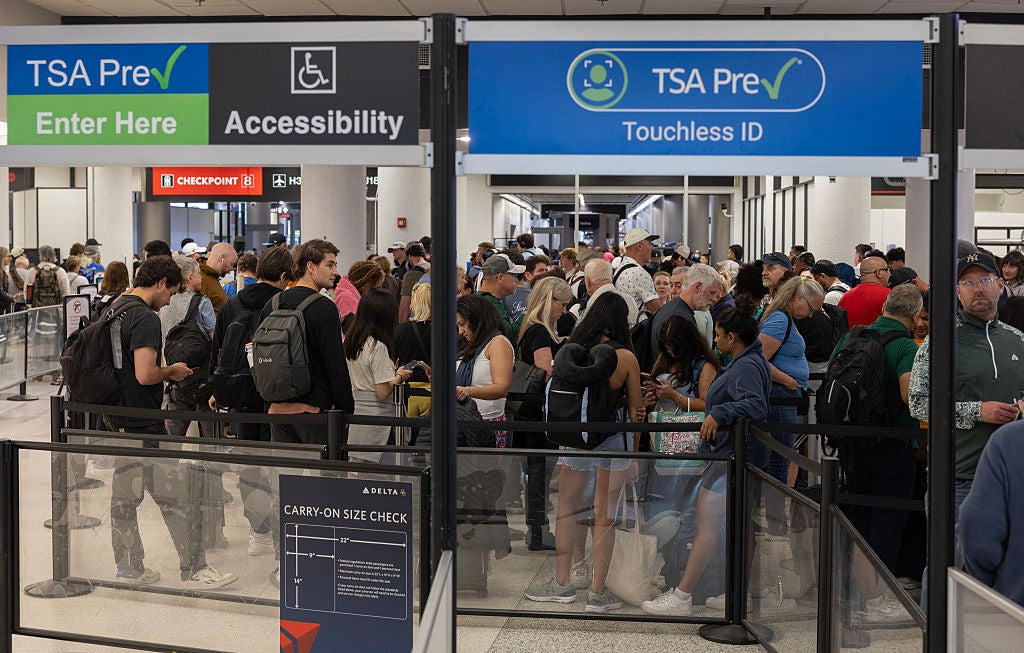
International travel
Even before the latest concerns about fuel prices and Spirit Airlines’ closure, Greater Miami’s international market was inconsistent. In 2025 the area’s international visitation declined 2.8% to about 6.26 million total international travelers.
Overnight visitors from Colombia, Brazil and Canada decreased, for a loss of roughly 75,000 visitors compared to 2024. Growth from the U.K., Italy and Argentina nearly offset that loss, adding about 73,000 visitors combined, but those gains were not enough to reverse the overall decline in international visitation.
This matters because international visitors tend to punch above their weight economically. In Greater Miami they accounted for roughly US$7.2 billion in spending in 2025, about 5% more than the prior year, even as total international visitation dipped 2.8%. This suggests people are staying longer and spending more.
Early 2026 showed signs of a rebound from that dip. U.S. inbound international travel fell 5.5% in 2025, and early 2026 has been uneven nationally. But Florida’s gateways remain a bright spot: In the first quarter of 2026, Miami, Orlando and Tampa together processed about 1.59 million international arrivals; 1.13 million of those arrivals were to Miami International Airport alone. Meanwhile, JFK and Newark airports welcomed slightly more overseas arrivals at 1.15 million, but this is down 7% from the first quarter of 2025 for those destinations.
Carrying the momentum forward
Early media research suggests that the World Cup may help carry Greater Miami’s tourism momentum into 2027. The Miami Host Committee reported that the FIFA Fan Festival Miami drew more than 600,000 fans over 24 days at Bayfront Park, alongside more than 70 match broadcasts, 1,000 performers, dozens of food and beverage vendors and family-friendly activities.
If they had a good time, the more than 64,000 fans who attended these matches may plan a return trip to Miami. Still, 2027 has no World Cup, no CFP championship, no World Baseball Classic.
But the calendar is not empty – it’s simply different. Miami Beach is hosting the Professional Convention Management Association Convening Leaders in January 2027, effectively giving thousands of the world’s meeting planners a chance to experience Miami’s beaches, nightlife and cultural amenities.
The convention pipeline behind this event is unusually strong: Adobe’s Creativity Conference, the iConnections Global Alts investor gathering, Unleash America and a Nike national tournament are already contracted for the 2027 fiscal year. And Amazon, WordPress and Boston Consulting Group events are currently in advanced negotiation.
Plus, recurring anchor events such as the Miami Open, Formula 1 Grand Prix, Art Basel and the South Beach Wine and Food Festival will continue.
The Grand Hyatt Miami Beach, the Miami Beach Convention Center’s long-awaited 800-room headquarters hotel, is scheduled to open in November 2027. This structural addition will outlast any single event.
In short, 2027’s demand skews away from one-off spectacle and toward business events, group travel and repeat leisure.
The price is right
Pricing is the wild card, and the freshest data shows why hotel performance depends not only on how many rooms are booked but on how much travelers are willing to pay for them.
Through May 2026, Miami-Dade led all top 25 U.S. hotel markets in occupancy at nearly 80%, while posting the nation’s highest average daily rate at $293.67, up 11.2% in a year.
Preliminary data on hotel stays for the week ending June 27, 2026, shows Miami’s average daily rate is up 51.1% year over year, and revenue per available room is up 51.6%. Occupancy was relatively flat at 73.5%, underscoring that the World Cup effect was driven more by pricing power than by fuller hotels.
The 2027 forecast
The question now is whether any of that pricing power persists once the event calendar normalizes, especially if airfares stay high and price-sensitive visitors stay home.
My reading of the data is that headline visitor counts in 2027 may be roughly flat, perhaps even down modestly in the domestic budget segment. Meanwhile, I think visitor spending will prove more resilient, because the mix shifts toward international, group and drive-market travelers who stay longer or cost less to reach.
Several early indicators will demonstrate whether this forecast is correct. I will be looking at how quickly airlines backfill Fort Lauderdale’s lost seats, along with how quickly the prices of jet fuel and airfare normalizes. It will also be important to watch whether the first quarter surges from Canada and Mexico persist through this winter and whether Latin American demand, still Florida’s international backbone, recovers from its 2025 dip.
Michael ChengDean and Professor of Hospitality Management, Florida International University. This article was first published by The Conversation and is republished under a Creative Commons licence. Read the original article.
A stronger dollar can make Florida more expensive for overseas visitors, while concerns about visa delays and U.S. border procedures can affect whether travelers choose Florida or competing destinations elsewhere.
But research on destination loyalty consistently shows that repeat visitation follows satisfaction with the total experience rather than any single attraction. Millions of first-time World Cup visitors have formed that impression in 2026.
Miami business owners can’t set fuel prices or exchange rates, but they can determine whether the people who came for the world’s biggest sporting event find a reason to come back on their own in 2027.



