


Richard Feynman wrote one last love letter to his wife after her death, then quietly tucked it away
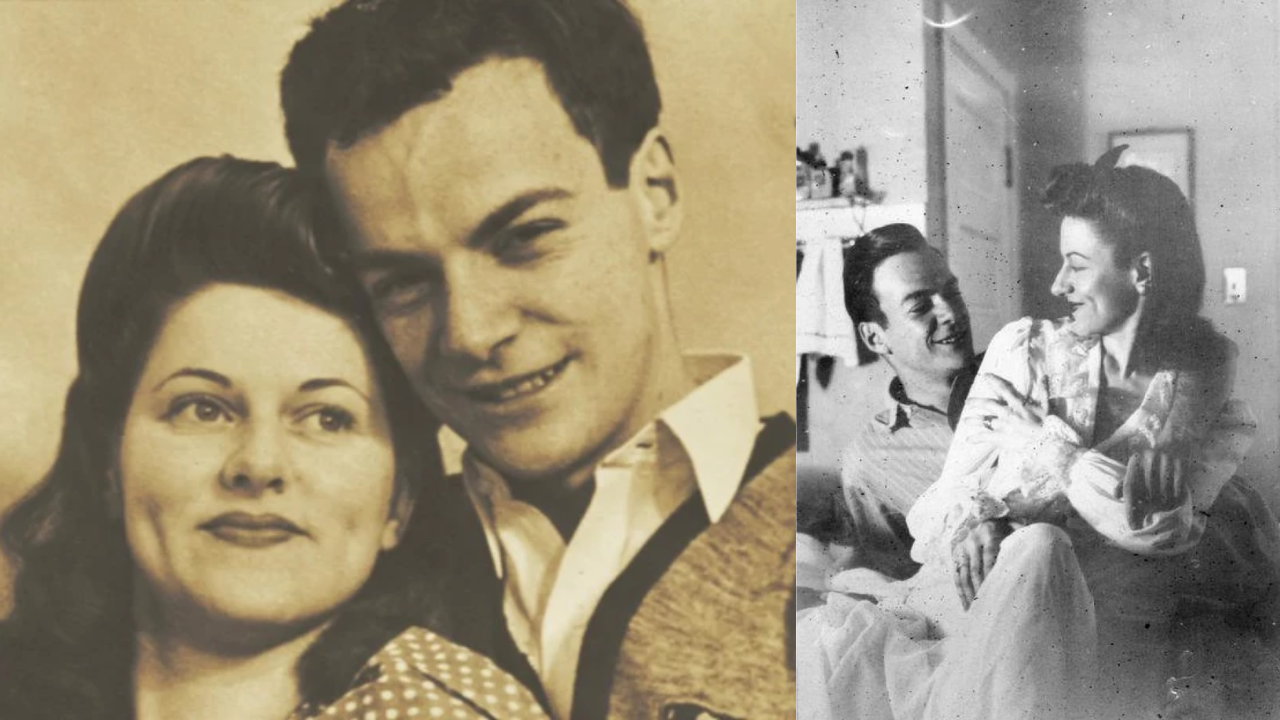
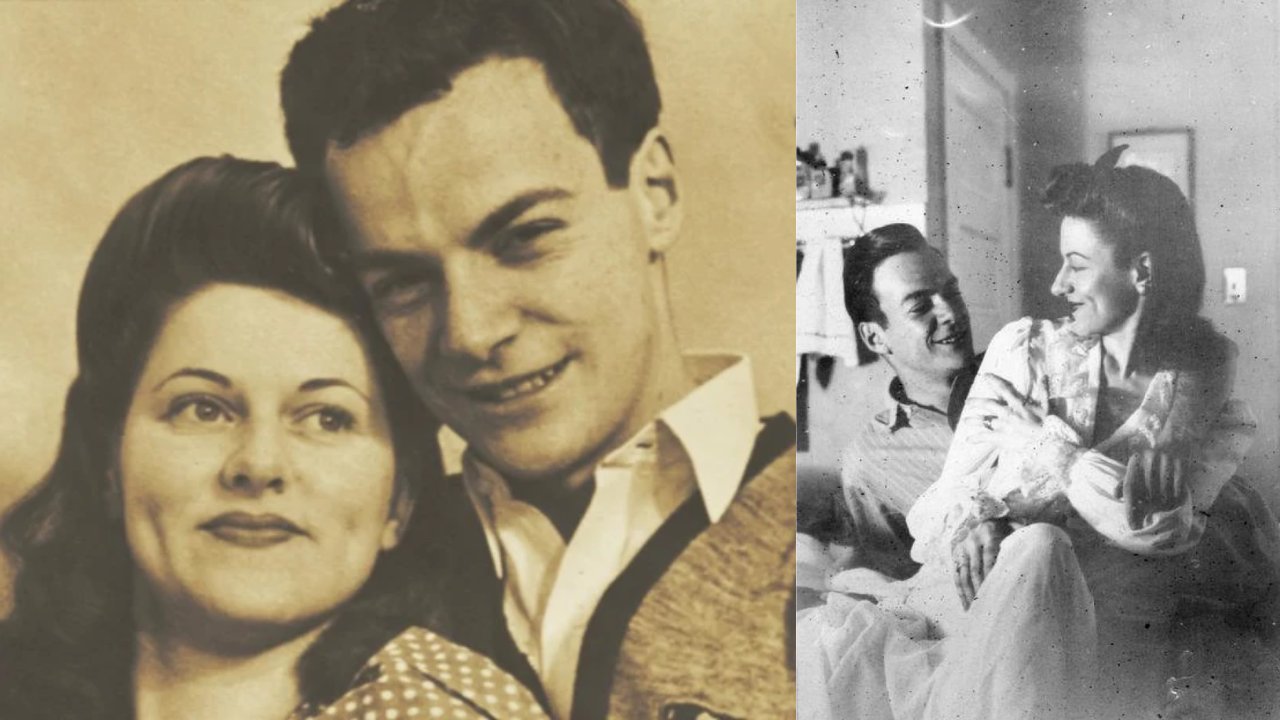
Richard Feynman is celebrated as one of the greatest physicists of the twentieth century. A Nobel Prize winner renowned for his work in quantum electrodynamics, he spent his career explaining the mysteries of the universe with remarkable clarity and wit. Yet one of the most enduring pieces associated with his name contains no scientific formulas at all. It is a deeply personal letter he wrote to his wife, Arline Greenbaum Feynman, nearly twenty months after her death from tuberculosis in 1945.Dated October 17, 1946, the letter was never posted. Instead, it remained hidden among Feynman’s personal papers until after his death, revealing a side of the celebrated scientist that few had ever seen. Addressed simply to “D’Arline”, it is not only a declaration of enduring love but also a moving meditation on grief, memory and the impossibility of letting go.
A love story that survived illness but not time
Richard and Arline met as teenagers in New York and quickly developed a relationship built on humour, intellectual curiosity and unwavering devotion. Their future together changed dramatically when Arline was diagnosed with tuberculosis, which, before the advent of effective antibiotics, was often a fatal illness.Despite knowing her condition and facing opposition from their families, Feynman married Arline in 1942 while she was living in a sanatorium. During his work on the Manhattan Project in Los Alamos, he made every effort to visit her whenever possible. Although their marriage lasted only three years before Arline died at the age of 25, Feynman would later describe her as one of the defining influences of his life.
“I always will love you”: The letter that captured grief in its purest form
As published on Letters of Note, the letter begins with extraordinary simplicity:“I adore you, sweetheart.”From there, Feynman admits that he had avoided writing because he believed “there was no sense to writing” after her death. Yet he realised that remaining silent had become more painful than expressing what he still felt.“I want to tell you I love you. I want to love you. I will always love you.”Perhaps the most poignant part of the letter is Feynman’s attempt to reconcile love with loss. He confesses that although Arline is gone, his desire to care for her has not disappeared.“I find it hard to understand in my mind what it means to love you after you are dead, but I still want to comfort and take care of you.”Rather than dwelling on grand memories, he mourns the everyday life they never got to continue. He writes about wanting to discuss problems together, begin new hobbies and embark on the “wild adventures” that Arline so often inspired. Calling her the “idea-woman”, he remembers how she constantly encouraged new projects, from learning Chinese to making clothes together.The letter reveals that grief is often rooted not only in what has been lost, but in all the ordinary moments that will never happen.
Why Feynman believed no one could replace Arline
One of the letter’s most striking passages addresses something many people experience after losing a loved one, the feeling that moving on is neither simple nor immediate.Feynman reassures Arline that she had never failed him during her illness, writing that she had always given him more than enough simply through her love. He then makes a heartbreaking confession:“You can give me nothing now yet I love you so that you stand in my way of loving anyone else.”He acknowledges that Arline herself would probably want him to find happiness again, yet admits he cannot explain why every new relationship fades in comparison.“I have met many girls and very nice ones… but in two or three meetings they all seem like ashes. You only are left to me. You are real.”These words have resonated with readers for decades because they describe grief without sentimentality. Rather than portraying love as something that simply ends, Feynman presents it as something that continues to exist even when the person is no longer physically present.
The letter ended with one unforgettable sentence
After signing the letter simply as “Rich”, Feynman added a postscript that has become one of the most remembered lines in literary history:“Please excuse my not mailing this, but I don’t know your new address.”The sentence is quietly devastating. It acknowledges death without diminishing the love that prompted the letter in the first place. It also explains why the letter remained folded away among his personal belongings rather than being shared with the world.The letter has endured not because it was written by a Nobel Prize-winning physicist, but because it expresses something profoundly universal. It reminds us that grief is rarely about forgetting. Instead, it is about learning to carry love forward even when there is no longer anyone to receive it.Decades after it was written, Feynman’s unsent letter continues to comfort readers around the world. It stands as a reminder that while death may end a life, it does not necessarily end the conversations, memories or love that remain with those left behind.



