


Thank you and goodbye, Glasgow! And hello, Amdavad!
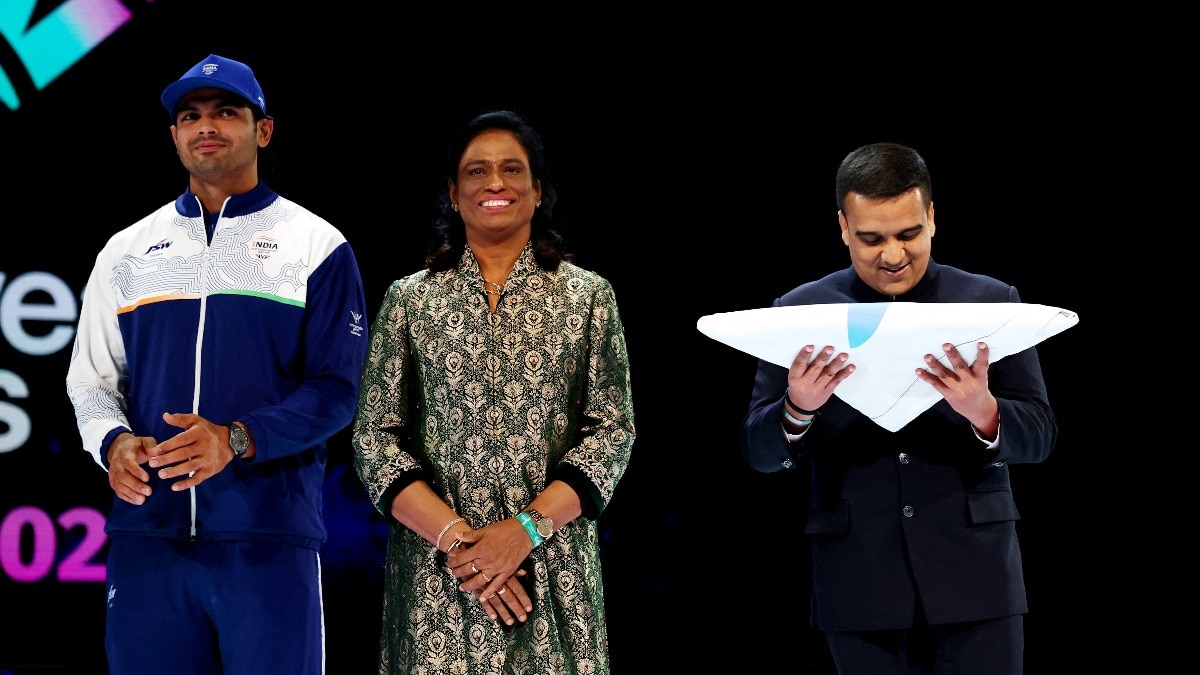
The Commonwealth Games 2026 came to an end with a glittering closing ceremony as India’s javelin star Neeraj Chopra, along with Indian Olympic Association president PT Usha and Gujarat Deputy Chief Minister Harsh Sanghavi received the CWG flag as the baton was officially handed over to Ahmedabad.
In what was a true celebration of the athletes and the nations who took part in the games, the closing ceremony initially celebrated Scotland’s rich cultural heritage before gradually shifting its spotlight towards India, bringing together elements of the country’s diverse traditions and history.
The ceremony also featured a vibrant Indo-Scottish cultural exchange, with musicians and dancers from both nations coming together for a lively jugalbandi that blended the two cultures on the same stage.
India extended a colourful welcome to the world, showcasing a seamless fusion of its rich heritage, timeless traditions and modern creative expression. The presentation marked the formal beginning of Ahmedabad’s journey towards hosting the Commonwealth Games’ landmark centenary edition in 2030.
HOW THE CLOSING CEREMONY UNFOLDED
Sandi Thom, Cammy Barnes and Australian singer Delta Goodrem got the festivities underway. While Goodrem was singing, the flagbearers from all the nations made their way to the stage to create a fine spectacle. India’s flagbearer was Jaismine Lamboria, who made her way close to the stage during the celebration.
Barnes then joined Goodrem for a duet, before a poem from Jackie Kay, which told everyone about the official baton being handed over by Glasgow to Ahmedabad.
The official transition of the Games began with a ceremonial parade featuring the Commonwealth Games flag, as it was carried across the stadium to mark the change of host.
The flag was brought forward by representatives carrying the Scottish and Indian national flags before being lowered and folded as part of the handover ritual. Glasgow’s Lord Provost Jacqueline McLaren presented it to Commonwealth Games Scotland vice-chair Susan Jackson, Scottish netballer Emily Nicholl and Commonwealth Sport president Dr Donald Rukare.
The flag was then handed to India’s representatives, two-time Olympic medallist Neeraj, PT Usha and Gujarat Deputy Chief Minister Harsh Sanghavi, formally signalling the transfer of hosting duties from Scotland to India for the 2030 Games.
The ceremony then shifted from the formal handover to a vibrant celebration of India’s cultural heritage, with the country’s presentation unfolding across three acts.
Built around the philosophy of Vasudhaiva Kutumbakam, ‘The World is One Family’, the showcase highlighted the shared values of unity, friendship and inclusivity that connect India with the Commonwealth.
The opening act also marked 150 years of Vande Mataram, with actor Manushi Chhillar leading a sweeping performance. Hundreds of dancers, backed by immersive visuals and a stirring musical score by Shankar Mahadevan, showcased India’s rich mix of languages, traditions and art forms.
A specially produced film then introduced Ahmedabad to the global audience, tracing India’s sporting journey while highlighting Gujarat’s blend of heritage, innovation and modern ambition.
The presentation positioned Ahmedabad as a fitting stage for the Commonwealth Games’ centenary edition in 2030.
The second act used music to build a cultural bridge between Scotland and India, with the segment titled, the Cultural Jugalbandi
Indian sitar virtuoso Rishab Sharma shared the stage with Scottish musician Ross Ainslie, while Shankar Mahadevan returned with his sons Siddharth and Shivam Mahadevan for a medley of popular Indian songs.
Gujarati singer Bhoomi Trivedi added a local touch to the performance, placing Gujarat in the spotlight as Ahmedabad prepares to host the Commonwealth Games in 2030.
The Indian showcase followed Glasgow’s farewell segment, which celebrated Scotland through its music, poetry and dance.
– Ends



