


India’s tourism sector has witnessed unprecedented growth over the past decade, driven by massive investments in infrastructure and rising domestic travel.
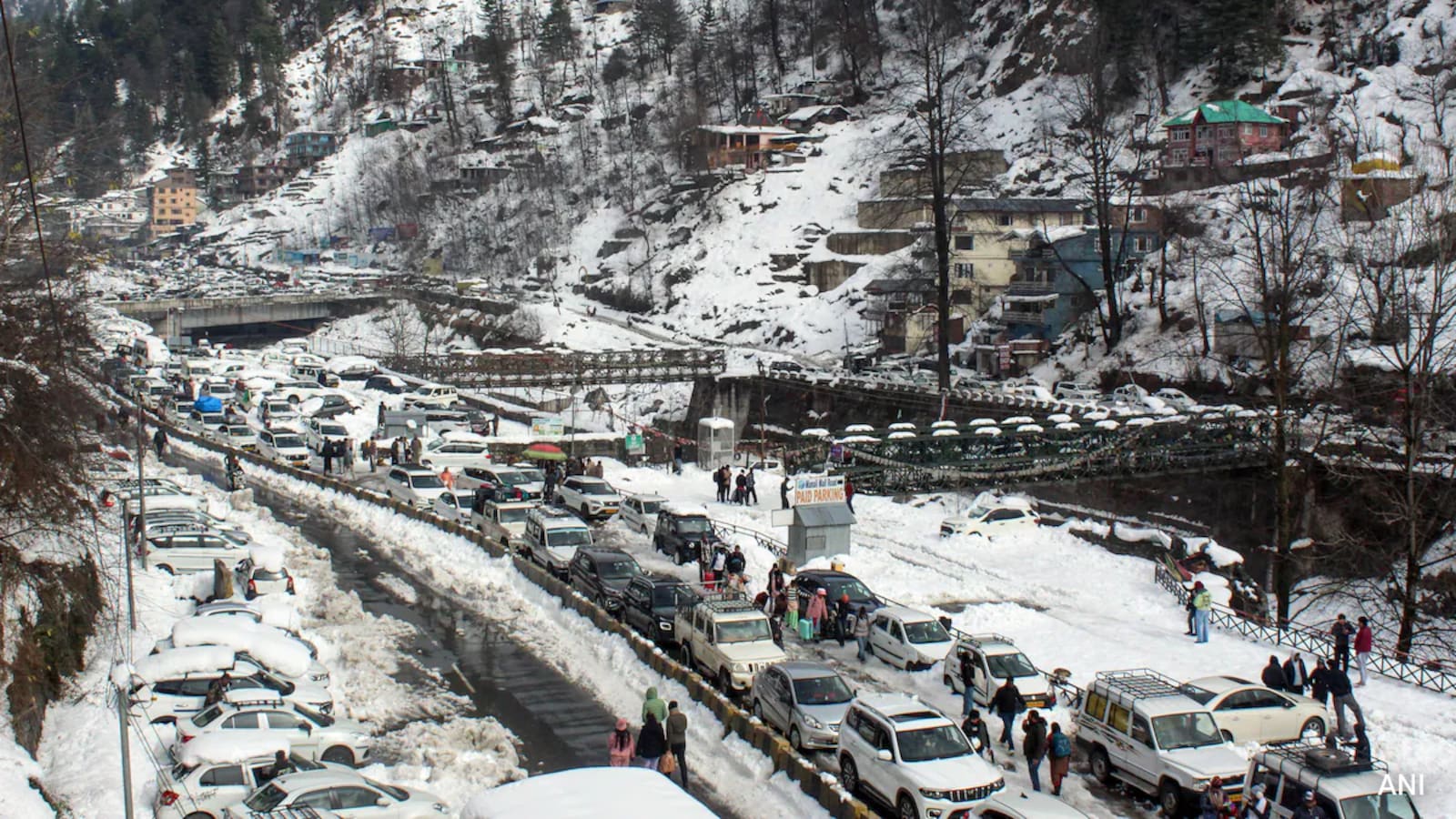
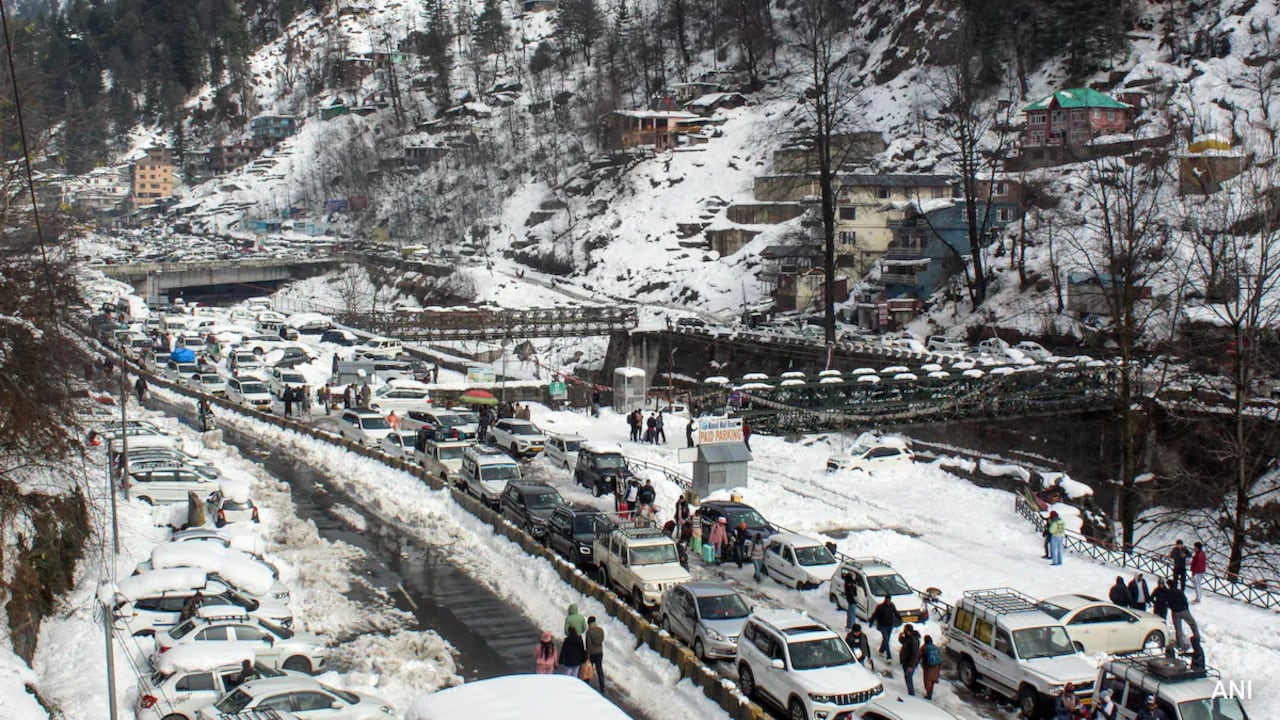
But the surge in tourist numbers has also intensified concerns over overcrowding, traffic gridlock, and mounting pressure on infrastructure at some of the country’s most popular destinations.
In an exclusive interview with NDTV, Tourism Secretary Bhuvnesh Kumar acknowledged that tourism growth has, in some cases, outpaced infrastructure development, particularly in traditional hotspots such as Shimla, Manali, and Kashmir.
“To some extent, yes, you are right,” Bhuvnesh Kumar said when asked whether tourism growth has outpaced tourism infrastructure. “If we look at the traditional tourism hotspots, they have really become overcrowded.”
The tourism secretary, however, stressed that the government’s efforts to promote lesser-known destinations through initiatives such as Dekho Apna Desh have helped distribute tourist traffic across newer locations.
He pointed to destinations such as Spiti, Khajjiar, Varkala, Tawang, and Unakoti, which have increasingly emerged on India’s tourism map.
According to the tourism secretary, domestic tourist visits touched nearly 400 crore last year, reflecting the rapid expansion of the sector. He attributed the growth largely to improvements in connectivity and infrastructure over the last 12 years, including expanded road networks, the rollout of Vande Bharat trains, the UDAAN regional connectivity scheme, inland waterways, and a significant increase in hotel capacity.
“The tourism sector has really grown over the last 12 years. Our Honourable Prime Minister’s vision of making tourism the driver and the engine of growth and the economy has really worked,” he said.
Highlighting the scale of expansion, Bhuvnesh Kumar said the number of classified hotels has risen from around 80,000 to over two lakh, while tourism has also generated substantial employment opportunities.
“Even the hotel infrastructure has grown by 2.5 times. We used to have only 80,000 classified hotels in the country. Today we have more than two lakh,” he said.
The recurring scenes of bumper-to-bumper traffic, packed hotels, and overcrowded tourist destinations during holiday seasons have reignited concerns about overtourism in hill stations and pilgrimage centres. Kumar acknowledged that infrastructure at several legacy tourist destinations requires significant upgrades.
“The road connectivity perhaps needs to be grown bigger so that there are no traffic jams,” he said, adding that better crowd management, parking facilities, shelters, and public conveniences also need to be grown.
The Centre and state governments, he said, are addressing these gaps through schemes such as Swadesh Darshan and PRASAD while focusing on improving the overall tourist experience.
Asked whether India should formally adopt carrying-capacity limits for tourist hotspots, the tourism secretary said sustainable tourism had become “the need of the hour.”
“The states… have done studies, they have created master plans, and they have looked at carrying capacity and the sustainability of ecotourism. They are trying to limit the numbers and regulate the entry points, and that’s creating a better experience for the tourists,” he said.
Bhuvnesh Kumar said the long-term solution lies in spreading tourist traffic across newer destinations.
“My view is that we actually need to expand this scope.” If we keep going to one destination, a large number of them, then this problem will continue to happen,” he said.
The government is focusing on developing new tourism circuits, including Himalayan trails, trekking routes, and emerging destinations that can absorb growing tourist demand.
He cited growing interest in destinations such as Tawang, Unakoti, Pangong, and several locations across the Northeast, which were relatively less known until a few years ago.
The tourism secretary also revealed that the Centre is preparing a major initiative aimed at creating 50 destinations of global standards, with at least one world-class tourism destination in every state.
“Our Honorable Prime Minister has given a call during the last NITI Aayog meeting, saying every state should have one global destination,” he said. The plan involves creating integrated tourism hubs with hotels, restaurants, shopping facilities, and entertainment zones around major attractions to encourage visitors to stay longer.
“We want people to stay there for a longer duration, which actually benefits the whole economy,” he said.
Responding to concerns over intoxication, hooliganism, and public nuisance at tourist destinations, Bhuvnesh Kumar said existing laws are adequate, but enforcement remains critical.
“The laws are available throughout the country, and the country is governed by the penal laws. But at the same time, enforcement is a crucial aspect,” he said.
He noted that around 15 states have already established dedicated tourist police units that interact with visitors, assist them, and help address complaints.
“The focus is on the overall experience, not just the destination but how you reached there, what you felt there, and the kind of amenities and facilities available,” he said.
According to the tourism secretary, aspects such as drinking water availability, parking facilities, crowd management, and basic conveniences increasingly shape tourists’ perception of destinations.
Addressing concerns raised by foreign tourists over harassment and overcharging, Bhuvnesh Kumar said the ministry operates a helpline and intervenes whenever complaints are received.
“We have taken action. We have spoken to the tour agents and also the state authorities, and most of these issues were resolved,” he said.
The ministry has also focused on behavioural training and awareness programmes across the tourism ecosystem. Under its Capacity Building for Service Providers programme, around 4.5 lakh people have been trained over the past five to six years.
“We try to instill that spirit of Atithi Devo Bhava,” he said, adding that taxi operators, travel agents, and other tourism stakeholders are regularly sensitised through training programmes.
Despite concerns over rising travel costs, Bhuvnesh Kumar said affordability is not currently a major obstacle for domestic tourism. “I think the income levels have grown over the last decade, and people have disposable income,” he said.
While acknowledging challenges arising from weather conditions and global geopolitical developments, he said Indians are travelling in record numbers across the country.
Looking ahead, the tourism secretary identified infrastructure expansion, hotel capacity, and travel costs as key challenges for the sector.
While praising the success of the UDAAN regional connectivity scheme and improvements in road infrastructure, he said India still requires a larger number of classified star-category hotels.
“On the hotel side, we still do not have a large number of classified star hotels. That is something that needs improvement,” he said.
He also suggested that rationalising hotel tariffs and airfares could further accelerate tourism growth.
Asked whether India could face another season of gridlock and overcrowding in the Himalayas and other popular destinations, Bhuvnesh Kumar said the situation is improving but acknowledged that challenges remain. “Things are improving, and I am looking for a better future,” he said.
“The number of people who are travelling is immense. That shows on one side the growth of domestic tourism but also poses a challenge to the infrastructure at these places,” he said.
“Definitely, it is a challenge, and we really need to work on that and solve those issues,” he added.



