
















.jpg "What Is “Ferritin Face”—And Do You Have It?")

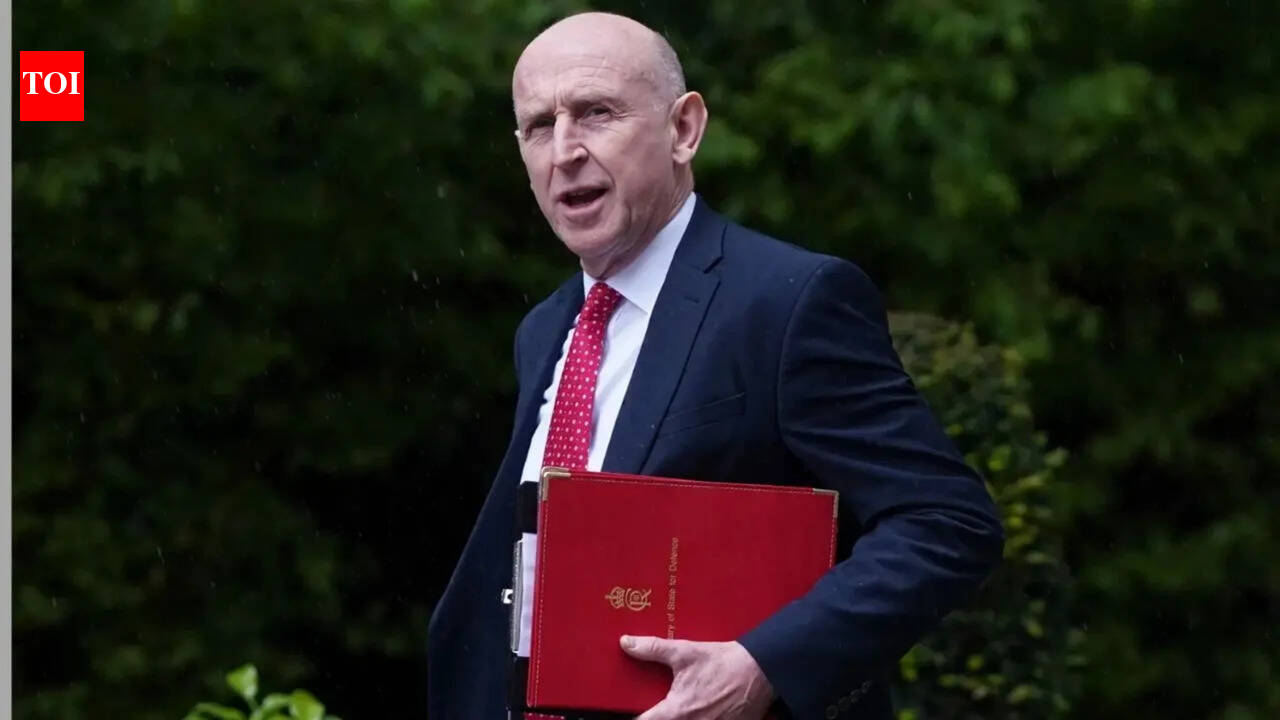
In a major blow to Prime Minister Keir Starmer’s government, UK Defence Secretary John Healey resigned on Thursday following a dispute over military funding, warning that Britain is failing to invest adequately in its armed forces at a time of escalating global security challenges.In a strongly worded resignation letter, Healey accused both Downing Street and the Treasury of failing to provide the resources required to protect the country against rising threats from Russia, ongoing conflicts in the Middle East, and Britain’s growing military commitments abroad.
Funding plan falls short, says Healey
Healey said the government’s proposed Defence Investment Plan (DIP) — a long-awaited blueprint outlining military spending over the next decade, “falls well short of what is required for defence and the country at this dangerous time.”The departing defence chief argued that while additional funding had been offered, much of it was scheduled for later years, leaving the armed forces struggling to meet immediate operational demands.“Without a Defence Investment Plan that meets the moment, I am being forced to make decisions that would reduce the readiness of our forces and increase risks to personnel,” Healey wrote.
Row over billions in defence spending
The resignation follows months of internal wrangling over military budgets. Reports suggest the Ministry of Defence had sought an additional £28 billion over the next four years, while the government was considering a significantly smaller increase of around £13.5 billion.Although the Labour government has pledged to raise defence spending to 3.5 per cent of GDP by 2035, Healey reportedly pushed for the UK to reach 3 per cent by 2030, arguing that the deteriorating international security environment demands faster action.His concerns intensified following Britain’s expanded commitments to Ukraine and the Arctic, alongside growing tensions in the Middle East.
Second cabinet exit piles pressure on Starmer
Healey becomes the second senior cabinet minister to leave Starmer’s government in recent weeks, adding to rising political pressure on the prime minister after disappointing election performances across England, Scotland and Wales.Despite speculation over his leadership, Starmer has publicly insisted he intends to continue leading the Labour Party.Healey, regarded as one of Labour’s most experienced defence figures, had served in senior frontbench roles under multiple party leaders and spent six years as Shadow Defence Secretary before entering government.
Who is John Healey ?
John Healey, 66, has been one of Labour’s longest-serving MPs, representing constituencies in South Yorkshire since 1997.Born in Wakefield and educated at Christ’s College, Cambridge, Healey began his career as a journalist and campaigner before entering politics. During the Labour governments of Tony Blair and Gordon Brown, he held several ministerial positions, including Treasury, housing and local government roles.He later served as Shadow Health Secretary, Shadow Housing Secretary and, from 2020, Shadow Defence Secretary under Keir Starmer.Following Labour’s victory in the 2024 general election, he was appointed Defence Secretary.Throughout his tenure, Healey was a vocal supporter of Ukraine and consistently advocated higher military spending and closer cooperation with NATO allies.
Opposition and defence industry react
Conservative shadow defence secretary James Cartlidge said Healey had “done the decent thing” by resigning, claiming he had been left with no choice after being denied adequate funding for the armed forces.Meanwhile, defence industry leaders warned that continued delays to the Defence Investment Plan could damage national security and threaten jobs across Britain’s defence sector.Kevin Craven, chief executive of a leading defence trade association, described Healey’s departure as a “damning reflection” of the government’s handling of defence policy and called for the immediate publication of a properly funded military investment strategy.
What happens next?
The government is now under pressure to finalise and publish the delayed Defence Investment Plan, which is expected to set out spending priorities on ammunition, next-generation fighter jets, drones, submarines and military infrastructure.With warnings that Russia could pose a direct threat to NATO by the end of the decade, Healey’s dramatic resignation is likely to intensify the debate over whether Britain is investing enough to prepare for future conflicts.



