


There is a small city in the American Midwest that has built a legacy most food capitals would envy. Sioux City, Iowa, is not famous for its coastline or its cuisine in the conventional sense. What it is famous for is something far more ancient, far more fascinating, and honestly far more delicious: honey. The city earned the title of the honey capital of the world back in the 1970s, and even today, decades later, Iowa’s identity is deeply, beautifully tied to the hive. If you have ever drizzled honey over your roti or stirred it into your morning chai and thought, “This is something else,” then the story of Iowa’s honey is one you absolutely need to know.
How Did A Midwestern City Become The World’s Honey Capital?
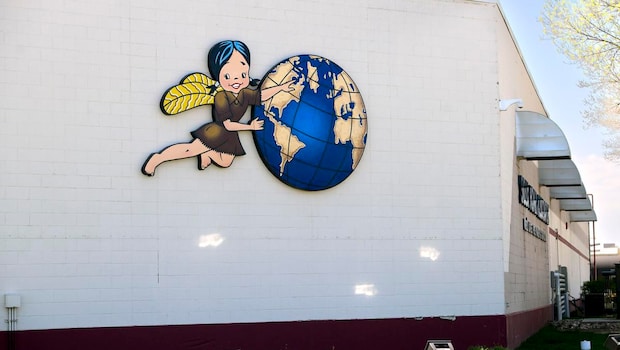
In 1921, Ed Brown, a 27-year-old beekeeper from Sergeant Bluff, Iowa, teamed up with fellow beekeepers, starting with $500 and 3,000 pounds of honey. Selling at 10 cents a pound, they moved 20,000 pounds locally in their first year. By 1930, production soared to 825,000 pounds annually, and by the 1970s, Sioux City was a global honey trade hub. This success story belongs to the Sioux Honey Association, creator of Sue Bee Honey, which now exports to 40 countries, maintaining its commitment to 100% pure American honey. Iowa’s geographical and agricultural advantages played a crucial role. With over 80% farmland, corn and soybeans dominate, though soybean flowers attract honey bees, and corn offers pollen. The state’s vast clover, wildflowers, and native prairie plants create an ideal bee habitat, contributing to Iowa’s edge in honey production.
Also Read: Making Mango Ice Cream At Home? Don’t Make These 6 Errors
The Bees Behind The Honey
Iowa is home to nearly 400 species of native bees, showcasing a diverse pollination ecosystem. While the honey bee (Apis mellifera), introduced by settlers, dominates commercial honey production, Iowa also hosts a variety of native bees. Bumble bees, the state’s only truly social native bees, nest in burrows and form year-long colonies. Sweat bees, some with striking metallic blue-green hues, add beauty to the landscape. Mason bees are crucial for pollinating fruit and crops, and leafcutter bees uniquely store pollen in their abdomens. This biodiversity enriches Iowa’s landscape, ensuring constant pollination and replenishment.
What Kind Of Honey Does Iowa Actually Produce?
This is the heart of the matter, and where Iowa genuinely earns its title.
Clover Honey
Iowa’s main floral sources for honey are clovers, particularly Dutch clover, yellow sweet clover, and white sweet clover. Clover honey is the foundation of Iowa’s production. It has a light colour and a pleasant, sweet taste, mild, clean, and deeply versatile. Think of it as the basmati rice of honeys: it goes with practically everything. It is what you would reach for when you want the sweetness of honey without a strong, overpowering flavour.
Wildflower Honey
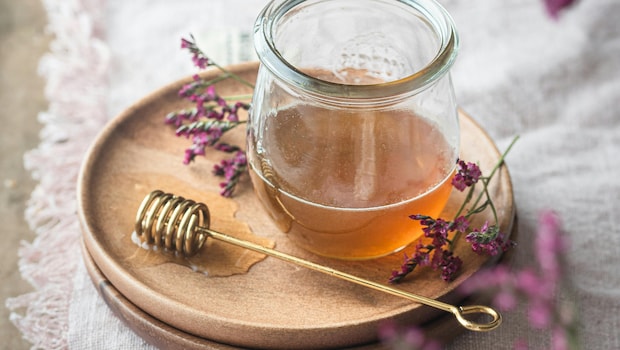
Iowa’s landscape is dotted with native wildflowers, and the honey that comes from them reflects that variety. Native plants that attract honey bees across Iowa include ironweed, coneflower, black lace elderberry, goldenrod, bee balm, and penstemon. Wildflower honey from Iowa tends to have a more complex, amber-toned character. The flavour shifts slightly from season to season and farm to farm, which makes it rather exciting. Each jar is, in some sense, a snapshot of exactly where and when it was made.
Flavoured and Infused Honeys
The Sioux Honey Association has pushed Iowa honey far beyond the traditional jar. Sue Bee’s flavoured range includes Sea Salt Honey, Lemon Honey, and Hot Honey. The Hot Honey, made with dried chilli peppers and vinegar, has become something of a cult product in American kitchens. The Lemon Honey is infused with natural citrus flavour and works brilliantly in tea, marinades, and even a simple glass of warm water. The Sea Salt Honey brings a sweet-savoury balance that is ideal for baking and cooking outside the usual box.
Comb Honey
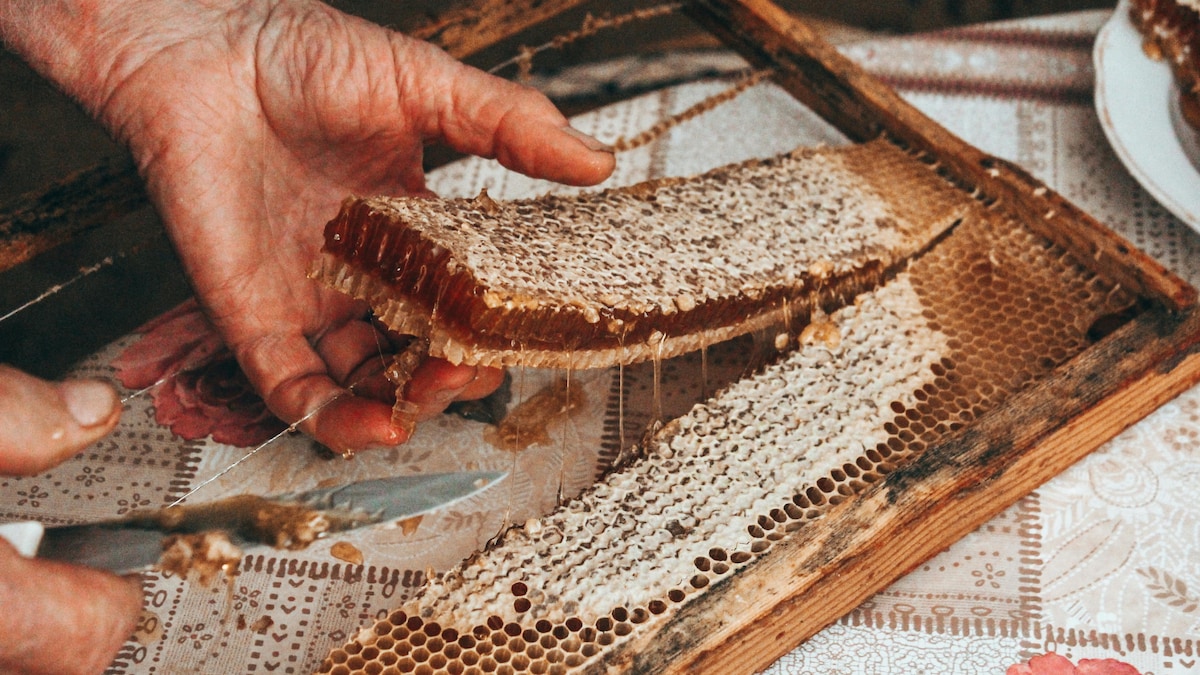
Comb honey is honey in its original form, contained inside the edible beeswax honeycomb. Several Iowa farms sell raw comb honey, and it is about as close to eating honey straight from the hive as you can get without actually being a beekeeper. The texture is waxy and dense, and the flavour is intensely pure.
Raw and Pure Honey
Raw honey has not been processed, filtered, or artificially heated in any way. Pure honey is raw honey that has been gently strained. A significant portion of Iowa’s smaller apiaries focus on producing raw and minimally processed honey, which retains more of the natural enzymes and flavour compounds that make artisanal honey worth seeking out. Darker honeys tend to have a bolder taste, so if you are someone who enjoys a more robust flavour, darker Iowa varietals are worth trying.
Also Read: Where Did Champagne Originate From, Accidentally!
How Is Iowa Honey Used?
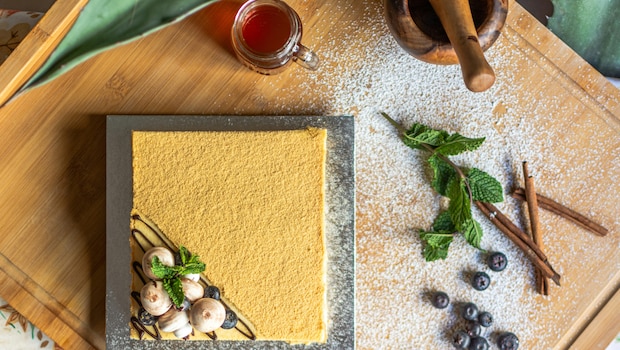
Honey is woven into Iowa’s food culture in ways both everyday and inventive.
In baking, it serves as a natural humectant, meaning it draws in and retains moisture. Honey’s antimicrobial properties delay spoilage and can actually extend the shelf life of baked goods like cookies, cakes, granola bars, and bread. Iowa bakers and home cooks have long known this. Honey-glazed corn bread, honey walnut cakes, and honey-sweetened granola are local staples.
In cooking, honey is used as a glaze for meats. By drawing and retaining moisture, honey locks in a meat’s natural juices, ensuring that chicken, steak, lamb, or roast comes out tender and juicy. Iowa’s hot honey, in particular, has become popular for things like honey hot wings, honey chicken sandwiches, and pizza toppings, the sweet heat combination that food lovers everywhere are obsessing over right now.
In beverages, honey goes into teas, cider drinks, hot toddies on cold evenings, and even simple warm water with a squeeze of lemon. Honey not only adds sweetness to a beverage but also imparts a unique flavour while balancing and enhancing other ingredients, which is why it works so well as a natural alternative to refined sugar.
Iowa’s farmers’ markets across cities like Des Moines, Ames, Davenport, and Sioux City are full of local honey vendors selling everything from infused varieties to comb honey to beauty products made with beeswax. The industry is not just thriving, it is valued at over $8 million, and the economic value of honey bees used to pollinate Iowa’s crops is estimated at around $92 million a year.
Why Should Any Of This Matter To An Indian Reader?
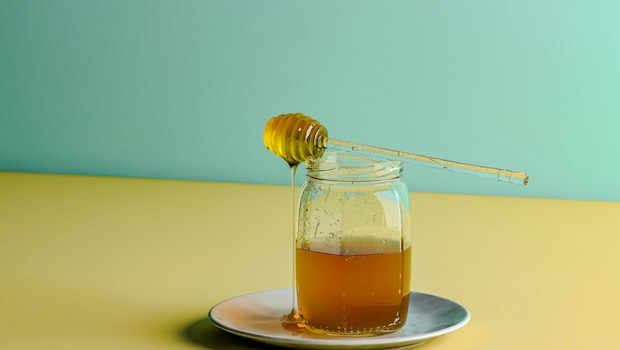
Indians are no strangers to honey. We have been using shahad in our kitchens, our Ayurvedic remedies, and our religious rituals for thousands of years. But the Iowa story is worth knowing because it shows what happens when a community takes something as ancient as beekeeping and builds a global industry around it, starting with just $500 and a few thousand pounds of honey.
Iowa honey, particularly the Sue Bee brand, is available internationally, and the cooperative behind it now spans thousands of beekeepers. Beekeepers in Iowa have tripled in number over the last decade, many of them operating in urban settings, which shows how deeply people are reconnecting with honey at a local level. It is a movement that resonates with the growing artisanal honey culture in India, too, where single-origin, raw, and forest honeys are finding appreciative new audiences.
Also Read: Masala Dosa, Paper Dosa Feature Among World’s 50 Best Pancakes List
Liquid Gold
Iowa’s claim to the title of honey capital of the world is not just a marketing slogan. In 2020 alone, Iowa produced 1,259,000 pounds of honey from 38,000 honey-producing colonies. The history, the geography, the sheer variety of bees and blooms, and a cooperative spirit dating back over a century all come together in every jar. Whether it is a delicate clover honey, a bold wildflower variety, or a chilli-spiked hot honey drizzled over something you would not expect, Iowa honey carries something in it that is hard to replicate: a genuine story, told one hive at a time. The next time you reach for a jar of honey, you might just find yourself thinking of a small city in the American Midwest, and the 27-year-old beekeeper who started something remarkable with very little money and an awful lot of faith in his bees.



