


Food is a fascinating way to understand cultures and traditions. Ingredients and flavours vary widely from one part of the world to another. While some dishes are celebrated for their taste and appeal, others may seem unusual or even difficult to stomach.
Berlin’s Disgusting Food Museum brings some of the world’s most unconventional foods under one roof, the majority of which would be regarded as “disgusting” by most people’s standards.
Each tour concludes with visitors sampling around a dozen items from the 85 unusual foods featured at the museum. The presentation represents both everyday dishes and traditional specialities from 30 countries across the world.
The description on the official DFM website read, “While the emotion is universal, the foods we find disgusting are not. What is delicious to one person can be revolting to another. Disgusting Food Museum invites visitors to explore the world of food and challenge their notions of what is and isn’t edible. Could changing our ideas of disgust help us embrace the environmentally sustainable foods of the future.”
Also Read: Harsh Goenka Shares ‘KFC’ Which Serves Only Vegetarian Food. Spoiler: It’s Not What You Think
Unusual Eats and Beverages
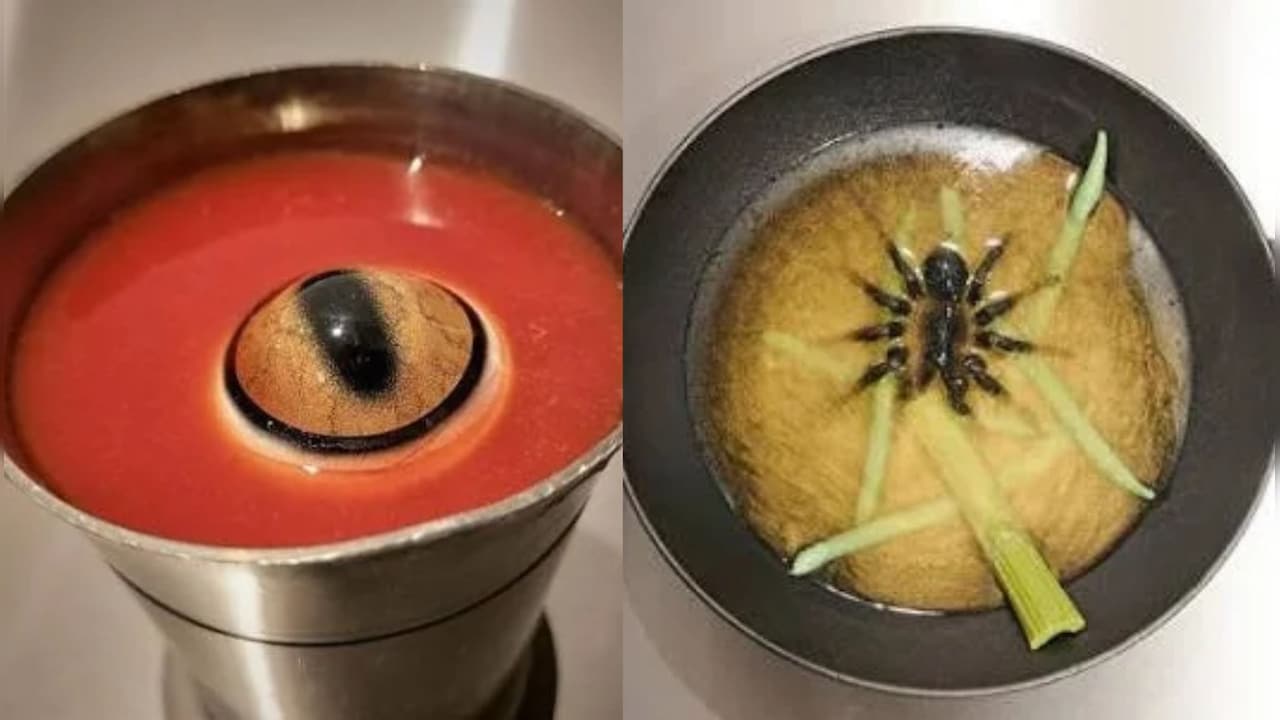
The museum’s exhibits feature an array of unusual foods and drinks from different parts of the world. Among them are bull penis, Peruvian frog smoothies, Sardinian maggot cheese, grilled dog, baby mouse wine, monkey brain, virgin boy eggs and cow’s blood.
The drinks section is equally unconventional, featuring ostrich egg-based eggnog, a liquor made using beaver castor sacs and rice wine containing pickled baby mice. Japan’s alcoholic rice drink Habushu is made with the habu snake, a poisonous viper. Mongolia, on the other hand, enjoys a tomato soup with a sheep’s eye floating on top.
The museum also houses some of the world’s stinkiest foods that provoke disgust, including Sweden’s Surströmming cheese and Durian fruit from the Asian region.
Timings and Ticket Prices
The Disgusting Food Museum Berlin is open Friday to Tuesday from 12 pm to 6 pm. The last entry allowed into the premises is at 5 pm, one hour before closing. The museum is completely closed on Wednesdays and Thursdays.
Also Read: Forget Gas Stoves, This Indian Restaurant Still Cooks Every Dish On A Chulha
The museum uses a dynamic pricing model for online bookings, meaning prices vary depending on the expected crowd size and how early you book. General admission for Adults ranges between €10 and €17, while a reduced rate of €7 to €12 is available for children aged 6 to 18, students, volunteers and visitors with disabilities. Infants aged 5 and under can enter the museum for free.


