



Want to bookmark your favourite articles and stories to read or reference later? Start your Independent Membership today.
Already a member?
Log in
Riot police in France have used tear gas and water cannons in clashes with protesters as school demonstrations erupt across the country.
A one-year-old baby was hit by a firework while lying in a pram near a barricaded high school in Saint-Cyr-l’École, Paris, while a teenager also lost a hand after picking up a grenade thrown by police.
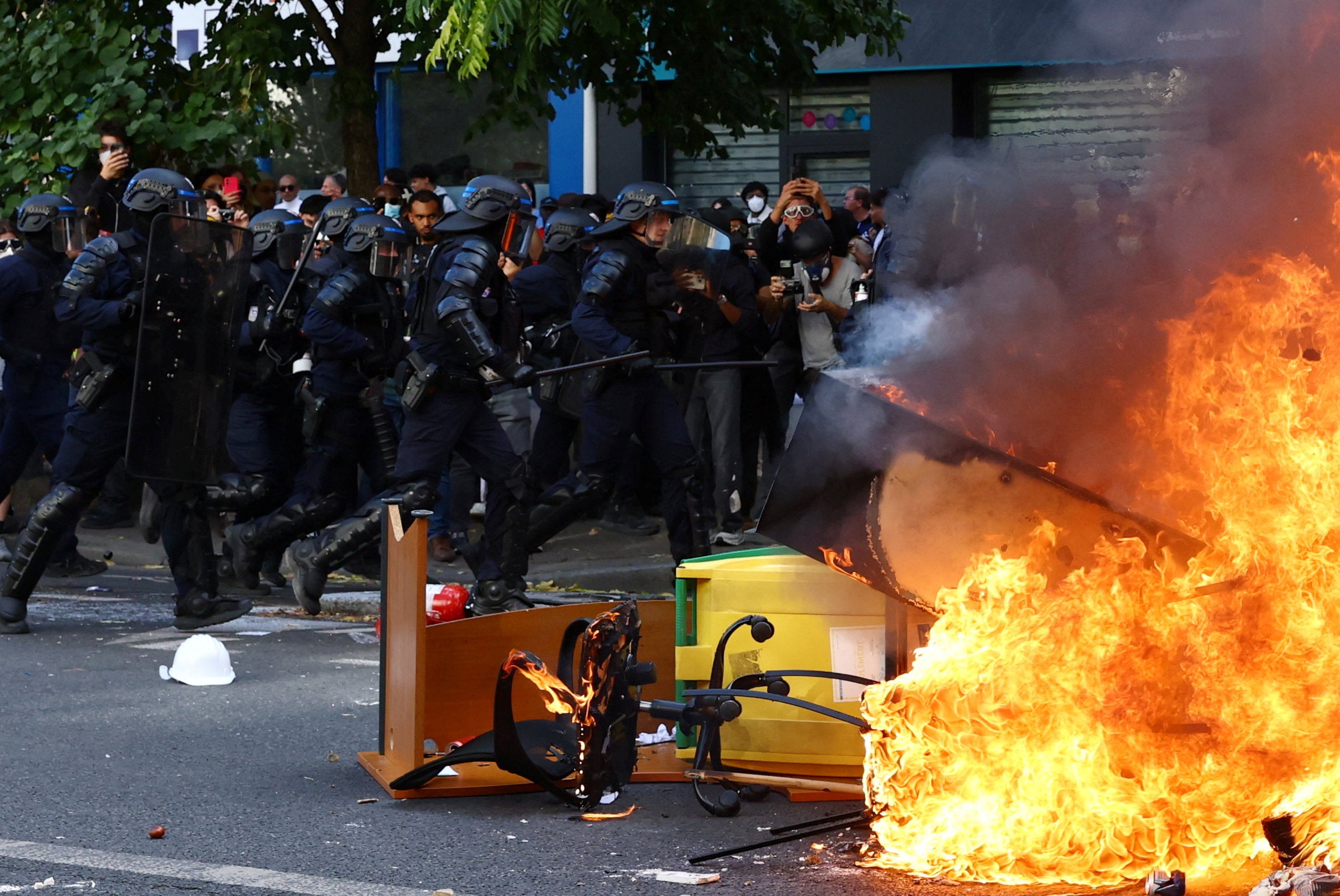
Protesters have also set the streets ablaze in Strasbourg, Lyon and Rennes, torching barricades and throwing multiple projectiles and mortars towards the police.
At least 260,000 protesters across multiple cities, including Paris, Marseille, Nantes and Lyon, took part in marches on Tuesday, 6 October, the French interior ministry said.
Meanwhile, the Union Syndicale Lycéenne, one of the high school student unions, suggested that the numbers reached up to 450,000.
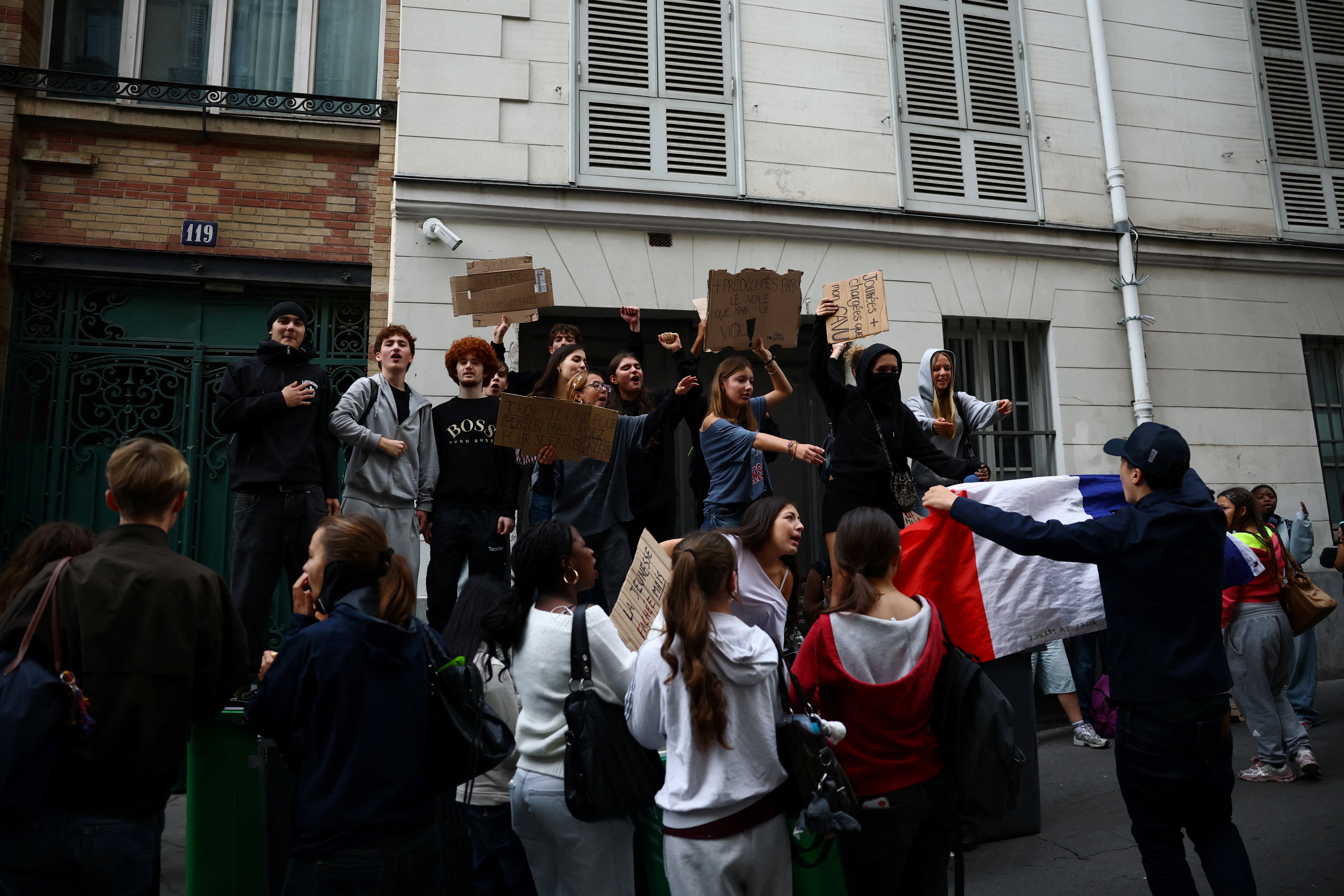
Prime Minister Sebastien Lecornu said these are the most violent student demonstrations in decades, with at least 215 teenagers, 700 police officers and 85 school staff injured so far.
While the UK has issued no specific advisories, the US government has issued a new warning, advising tourists to avoid areas around protests and demonstrations.
With no clear end to the protests, here is the advice from authorities if you are planning to travel to France.
Will the protests continue?
France’s largest union, the CGT, has said it is planning further protests involving school and university students on Thursday.
The demonstrations began in September in Paris and have spread across the country.
Why are the protests happening?
Mr Lecornu has ordered his ministers to address the students’ leading demands. These include greater investment in schools and fixing issues such as crumbling classrooms, overcrowded class sizes and replacing absent teachers.
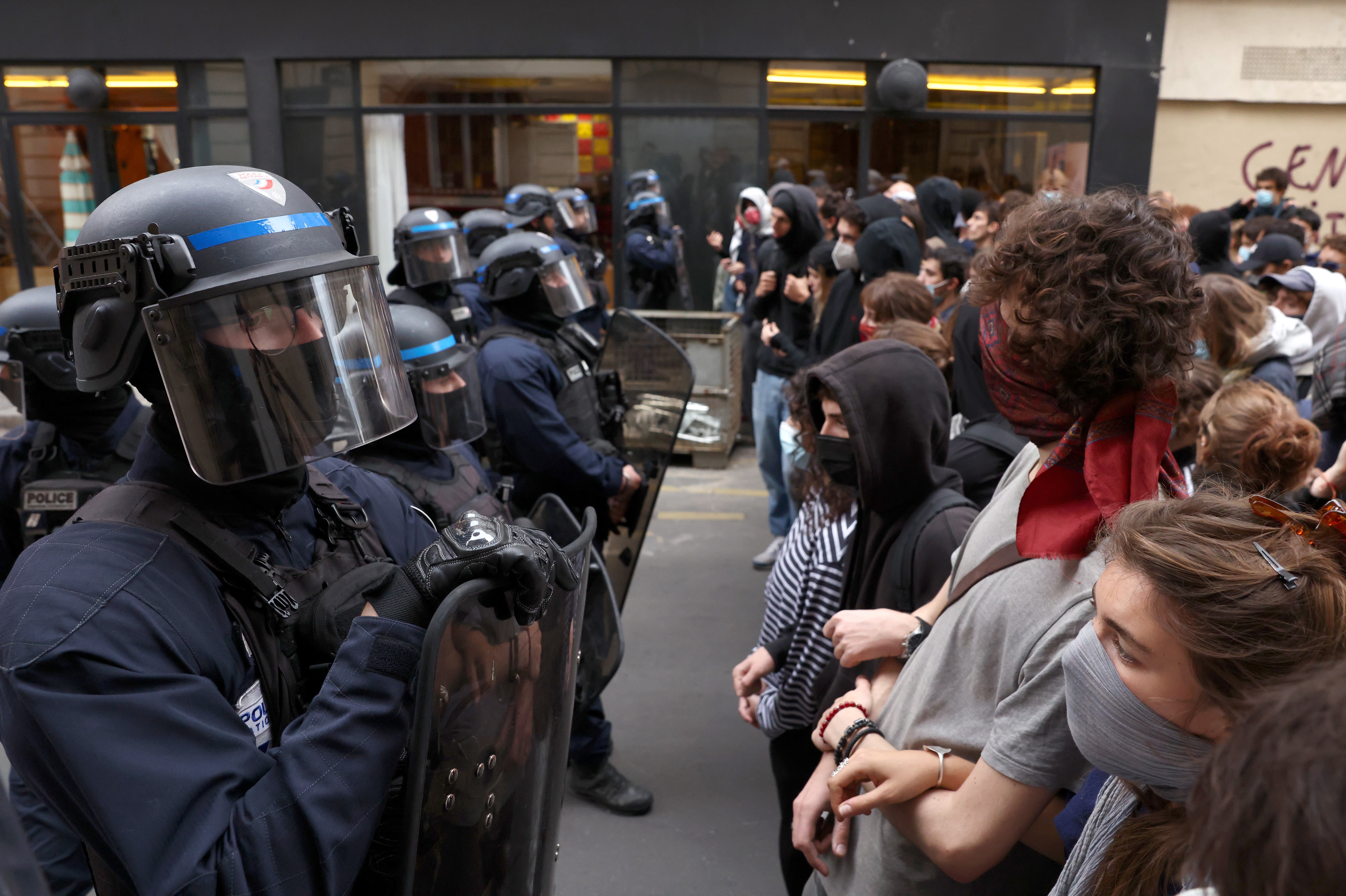
However, the French government claims the protest movement has been hijacked by outsiders and morphed into urban violence.
Rights organisations, students and groups have accused authorities of using disproportionate force against minors.
What does the UK government say?
The UK’s Foreign Office (FCDO) does not have any specific travel warnings relating to the protests in France.
On its general safety and security page for the country, it says there is frequent industrial action, demonstrations, political gatherings, and marches that can occur with little to no warning.
“If you’re due to travel to or within France, monitor the media, check your operator’s advice and follow the advice of the authorities,” it says.
“Whilst most demonstrations are peaceful, if you’re near areas where they are taking place, you should remain aware of what is happening around you and follow the advice of the police and local authorities.”
What does the US government say?
The US embassy in France has warned that student protests have become violent, with marches occurring away from school campuses. This has resulted in hundreds of high schools closing.
The government currently advises travellers to exercise increased caution.
It advises people to stay alert at tourist locations and crowded public places, and to avoid demonstrations and areas with significant police activity.
Should I cancel my holiday?
As the FCDO has not warned against non-essential travel to France, there are no special circumstances in place to cancel a trip for a full refund.
The conditions for cancelling your trip depend on your holiday provider, so it’s best to contact them if you’re looking to postpone.
Companies are not obliged to refund bookings if you want to cancel, and you will not be able to claim on your travel insurance due to safety concerns unless government advice changes.
If you do have travel insurance, some policies include natural disaster cover for an event that prevents you from reaching your holiday destination. Check your insurance policies and speak to your insurer to see where you stand.
Read more: Riot police clash with students as France engulfed by school protests


