


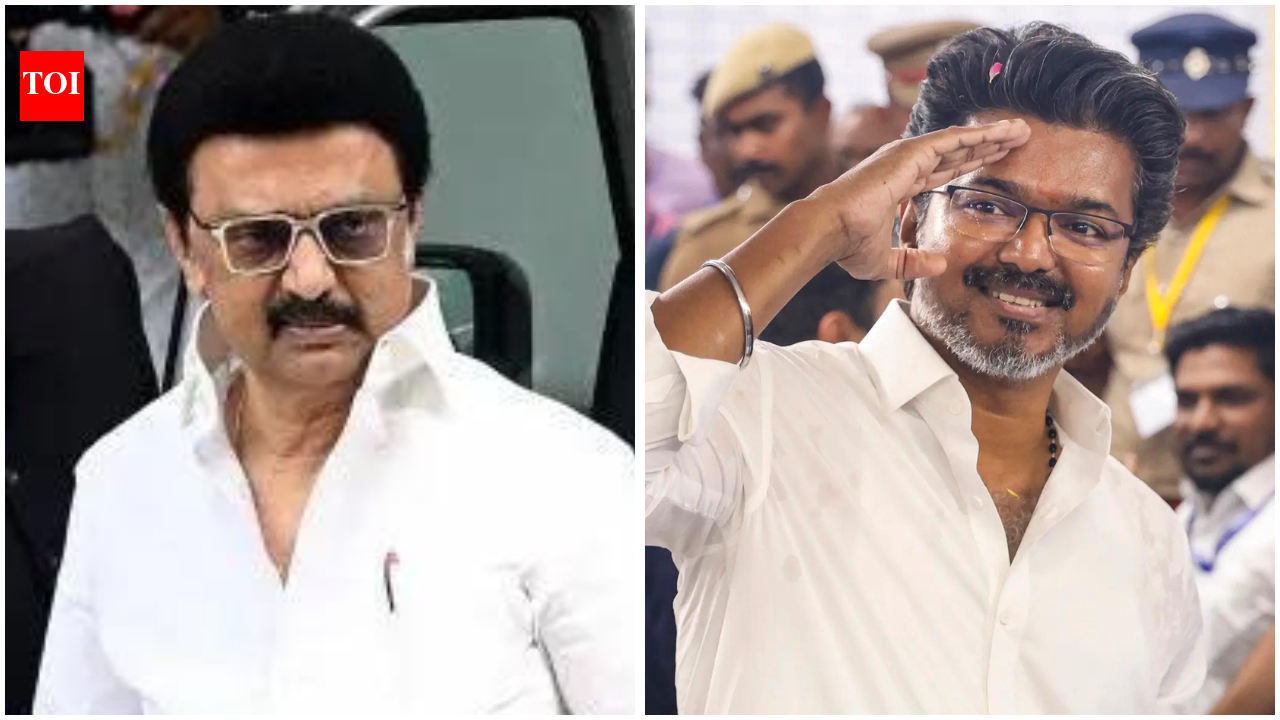
The big shock was his party’s defeat; the bigger shock, his own drubbing in Kolathur in north Chennai, which is considered part of the DMK heartland. For M K Stalin, the ‘Vijay effect’ is arguably the most unsettling political moment of his career.DMK had banked on Stalin’s governance record in terms of industrial growth and expansive welfare schemes. Five factors, however, seem to have upended these expectations: superstar C Joseph Vijay‘s disruptive entry, which galvanised voters desiring change from the revolving-door presence of the two Dravidian majors at the helm; an underestimation of anti-incumbency due to factors such as the rise in crimes against women; the debate over federalism and the Centre vs TN pitch that took Stalin’s focus off local issues; the CM’s reluctance to acknowledge Vijay as a serious contender; and, finally, the persistent opposition charge of dynastic politics following the anointing of Stalin’s son as deputy CM.That most exit polls projected a comfortable victory for DMK made the results more shocking for the party.
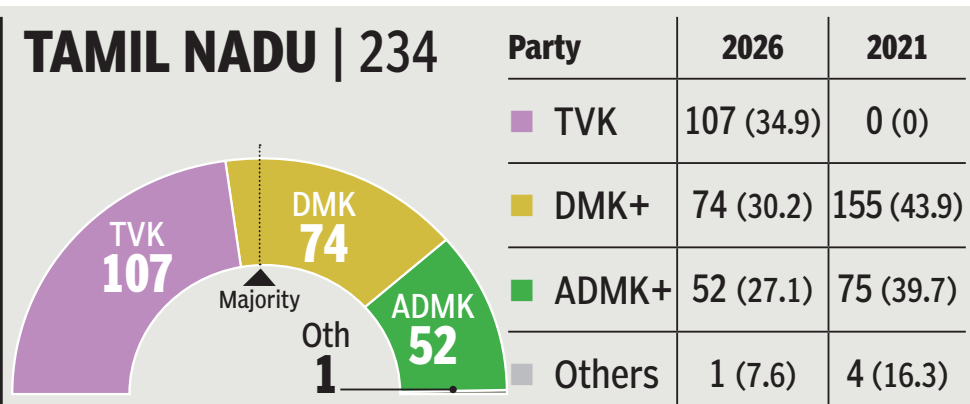
Poor ground-level coordination among allies appears to have hurt the DMK-headed alliance’s prospects. Sections within Congress demanded power-sharing even before seat-sharing talks, with one section pushing for an alliance with TVK and Rahul Gandhi not campaigning with Stalin, which signalled ruptures within.In retrospect, having a 21-party alliance did not help stitch up votebanks either. Dalit neta Thol Thirumavalavan had to admit – even before the counting – that his VCK cadres did not work hard enough for the alliance. Despite getting to contest 10 seats, even DMDK, founded by late actor Vijaykant, doesn’t seem to have pulled its weight on the ground. The Left parties, which have few pockets of influence, had limited utility.Also read| Blockbuster debut! Vijay Tamil Nadu’s Gen-nayaganWidely regarded as a hardworking chief minister, Stalin had built a reputation for administrative focus and workforce discipline. His govt established a dynamic structure and a bureaucratic hierarchy aimed at accelerating development. Ambitious goals, including transforming Tamil Nadu into a one-trillion-dollar economy by 2030, and generating large-scale employment for the youth, formed the core of his agenda.On the welfare front, govt offered free bus travel for women, plus Rs 1,000 monthly doles for women heads of families. On Stalin’s bragging list was the school breakfast scheme.
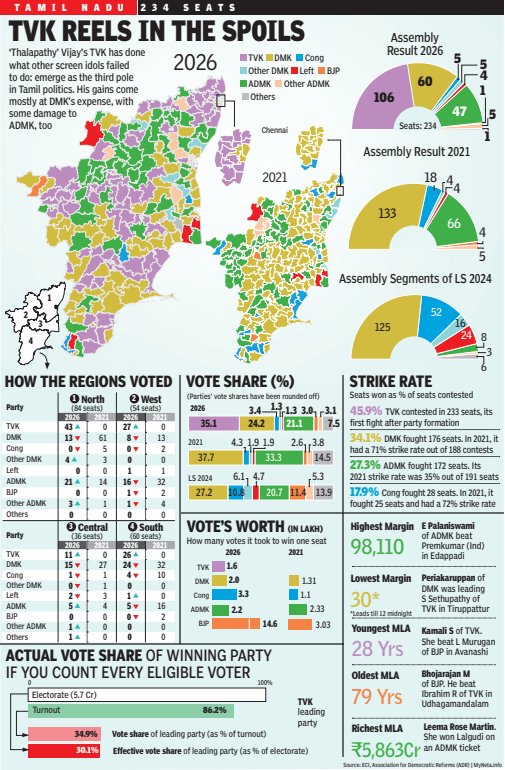
Yet, voters desired change. Young voters (2.5 crore of the state’s electorate are below the age of 40) seem to have preferred the debutante over the tried and tested ones. This shift should make DMK introspect and correct course to retain young cadres and energise middle and senior leadership while rebuilding the party’s support base.Also read| INDIA footprint fades on Bharat map as allies stumble in WB, TNStalin tasted defeat in his first assembly poll in 1984 when he lost the Thousand Lights seat to AIADMK’s K A Krishnaswamy by 2,292 votes and again in 1991 to the same opponent by a much larger margin. But this defeat carries far greater weight. It is not merely a personal setback but a moment that could redefine the trajectory of both DMK and TVK. This election may be a turning point not just for Stalin but for TN politics as well – one that redefines leadership and electoral tactics.



