


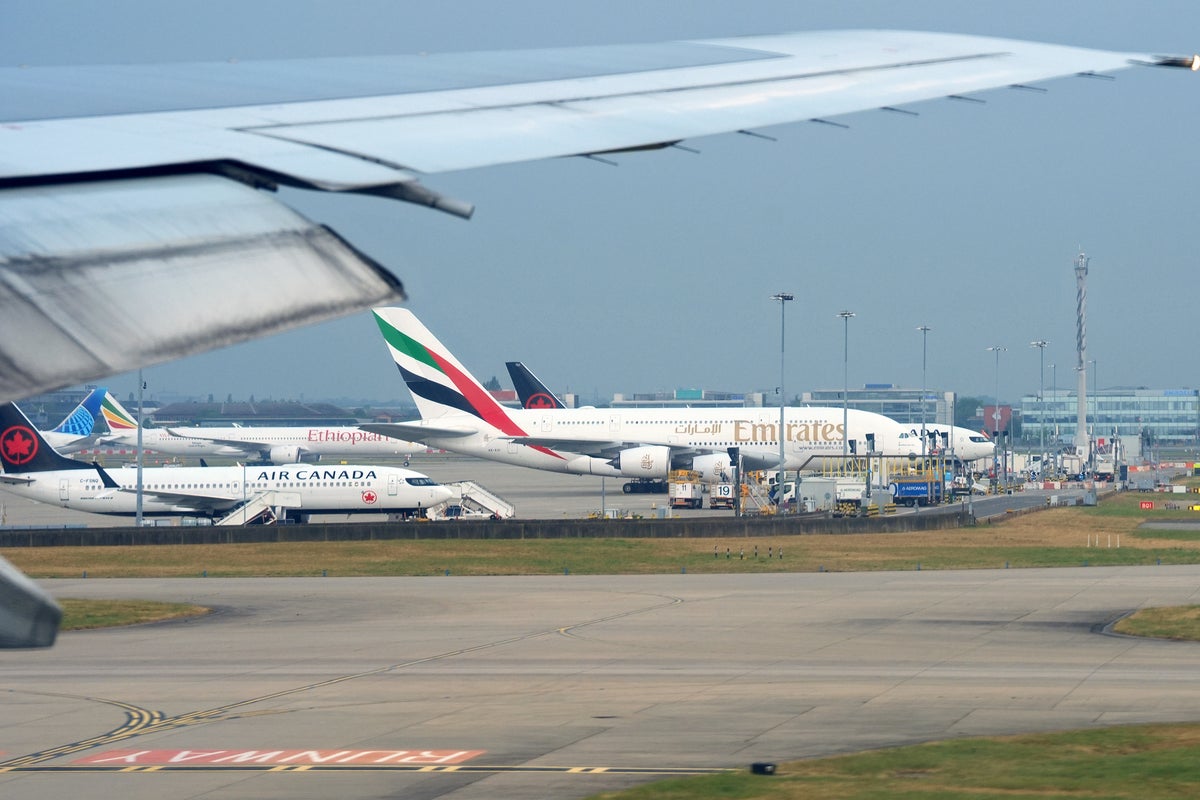
Airlines are not able to continue “absorbing the cost” of disruption stemming from the closure of the Strait of Hormuz, according to the head of the International Air Transport Association (IATA).
Willie Walsh, IATA’s director general, told the BBC that while there is no immediate cause for alarm over potential jet fuel shortages, an inevitable consequence of rising fuel prices will be an increase in air ticket costs.
“There’s just no way airlines can absorb the additional costs they’re experiencing,” he said.
“There may be some instances where airlines will discount to stimulate some traffic flow… but over time it’s inevitable that the high price of oil will be reflected in higher ticket prices.”
While Mr Walsh did not think there would be widespread cancellations, he added: “I think the concern will be that if sufficient alternative supply isn’t sourced, there may be some shortages when we get into the peak summer period.”
Last week, British Airways’ parent company IAG warned its profits will be hit as it expects to spend about two billion euro (£1.72 billion) more than planned on fuel this year.
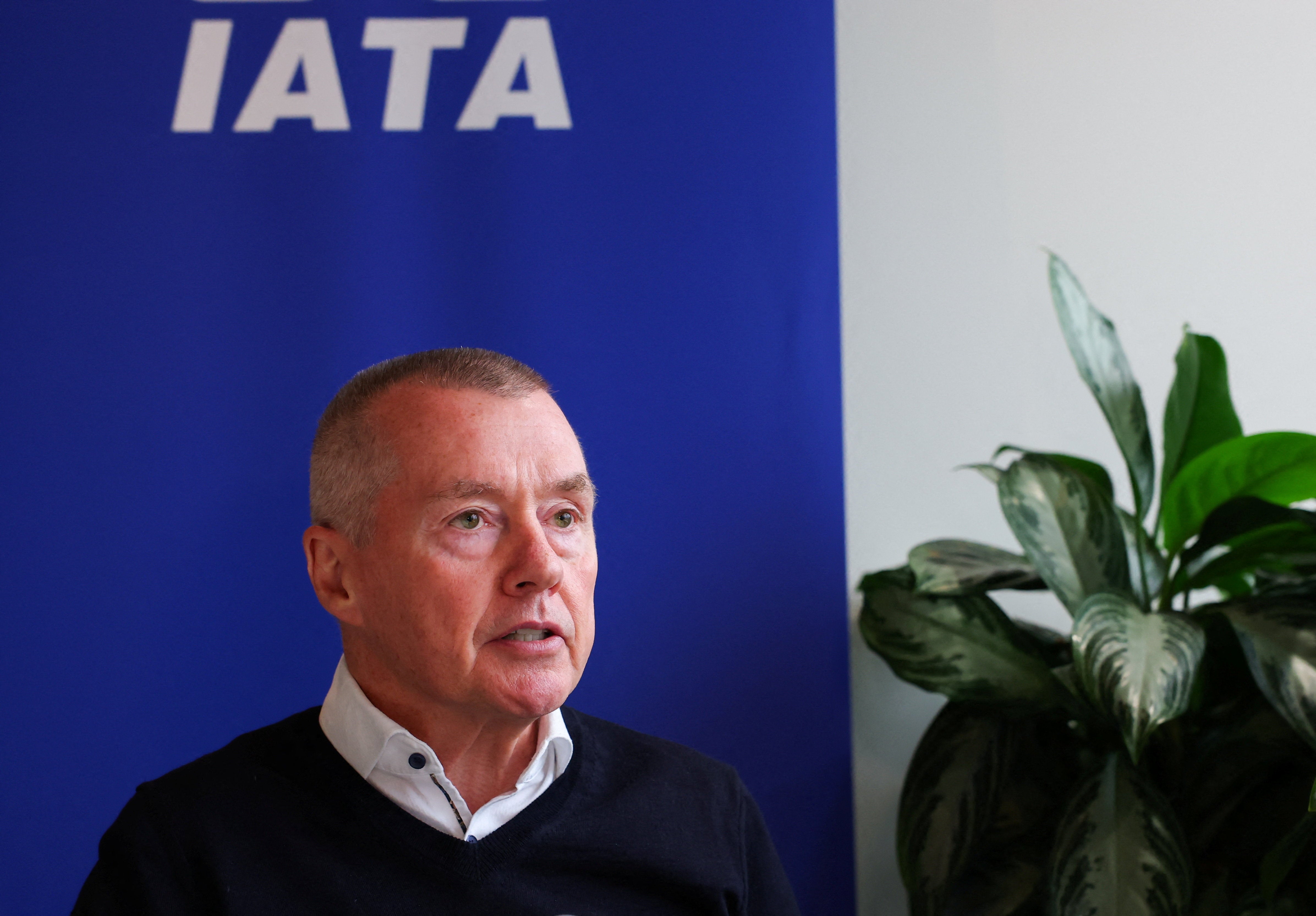
Chief executive Luis Gallego said IAG does not believe there will be “any interruption for the summer” in terms of jet fuel supplies.
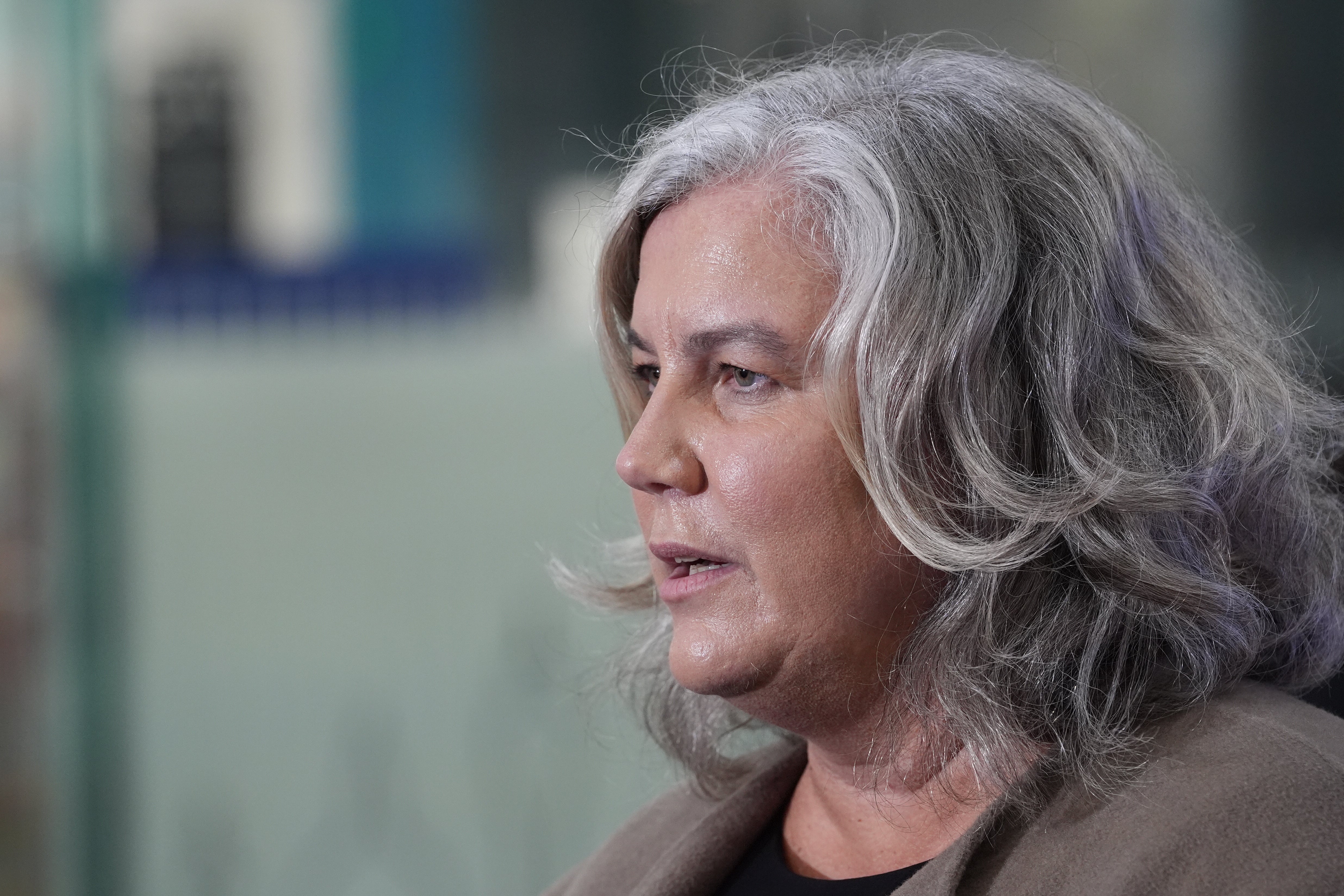
Earlier this month, Transport Secretary Heidi Alexander said summer holiday plans will not face major disruption because of shortages.
She revealed that more fuel has been imported from America, and UK refineries have upped their production.
The Government has also introduced a temporary rule change allowing airlines to group passengers from different flights together onto fewer planes to save fuel.
It comes amid data that showed airlines have increased the number of flight cancellations for May.
Aviation analytics company Cirium said that as of Tuesday, airlines have axed 296 departures from UK airports this month, equivalent to 0.75% of the total.
That is up from 120 cancellations six days ago.
Figures for the peak summer months show week-on-week schedule reductions are currently limited.
The number of outbound flights planned for June is 48 lower than a week ago, after 0.2% of flights were cancelled.
For July the week-on-week reduction is 31, while the figure for August is just four.
Airlines avoid being liable for compensation if they axe a flight with at least two weeks’ notice, meaning they can delay decisions on summer cancellations and still avoid payouts.
The price of jet fuel has more than doubled since the start of the war in the Middle East, as Iran continues to have a stranglehold on tankers passing through the Strait of Hormuz.
A Government spokesperson said: “UK airlines are clear that they are not currently seeing a shortage of jet fuel.
“Aviation fuel is typically bought in advance and airports and suppliers keep stocks of bunkered fuel to support their resilience.
“We continue to work with fuel suppliers, airports, airlines and international counterparts to keep flights operating.
“We are also consulting on measures to help airlines plan realistic flight schedules which will avoid last-minute disruption and protect holidays.”



